1941 West Fort St

Detroit, MI 48216

313-496-0550

Mon - Fri 8:45 a - 4 p ET

Porter Bottle Company

What Are the Top Types of Plastic Bottles With Caps?

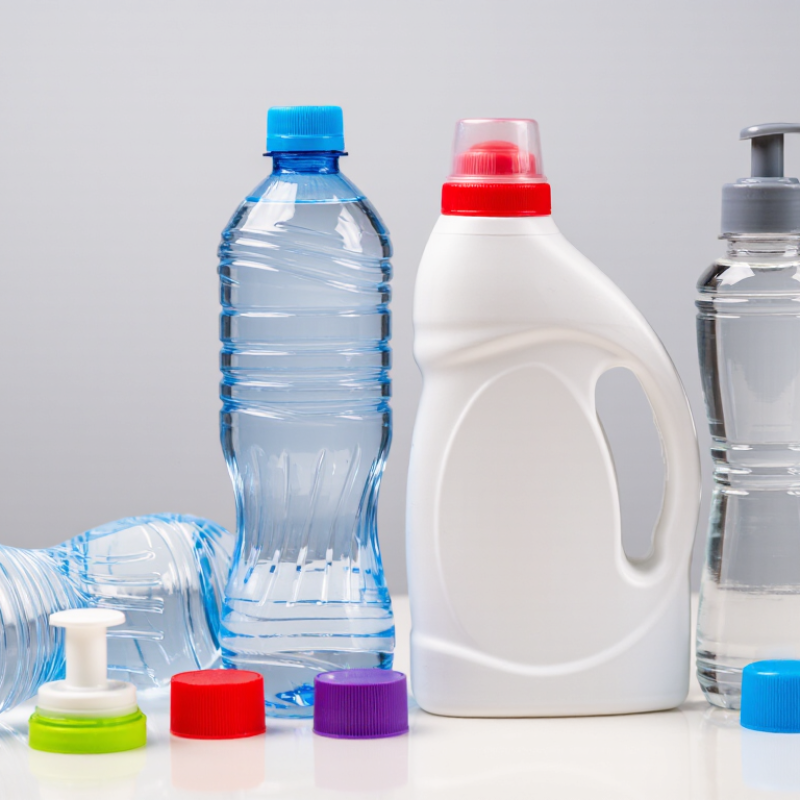
Plastic bottles with caps come in many forms, and the closure can matter as much as the bottle itself. A water bottle with a simple screw cap feels different from a detergent container with a sturdy flip-top. Small design choices affect pouring, storage, and everyday handling. There is no single best option. The right choice depends on the product, the user, and how the bottle will be used.

William McDonough, an architect and circular-design authority, offers a useful broader principle: “Design is the first signal of human intention.” Applied to packaging, that idea invites a closer look at both bottle and cap. This guide introduces common types, including PET bottles with screw caps, HDPE containers with dispensing closures, and bottles fitted with sports or flip-top caps. It also considers how materials, neck finishes, and opening styles work together. A cap may look simple, but a poor fit can cause leaks or make dispensing awkward. Details matter.

Some categories overlap. That is worth keeping in mind. A bottle’s shape alone does not tell you whether its cap will suit a particular product or routine. The sections ahead compare practical features, typical uses, and trade-offs, helping readers identify which plastic bottles with caps may fit their needs. The aim is not to declare one universal winner, but to make the differences easier to assess.
What Are the Top Types of Plastic Bottles With Caps?

Plastic Bottle-and-Cap Types: How Resin Identification Codes #1–#7 Classify Materials

What Are the Top Types of Plastic Bottles With Caps?
Plastic Bottle-and-Cap Types: How Resin Identification Codes #1–#7 Classify Materials

The number inside a bottle’s recycling triangle identifies its main resin, not necessarily its cap. Code #1 is PET, common in clear water and soft-drink bottles. Code #2 is HDPE, often used for opaque milk or detergent containers. Code #3 is PVC, while #4 is LDPE, a flexible plastic used in some squeezable bottles. A cap may use a different resin. Small details matter.

Code #5 means polypropylene, found in some sturdy bottles and closures. Code #6 is polystyrene, less common in reusable bottle formats. Code #7 covers other plastics and mixed materials, so its composition can vary. The code helps identify material, but it does not promise local recycling acceptance. That distinction is easy to overlook, especially when a bottle and its cap look like one piece.

Tips: Check the number molded into the bottle, then look for a separate mark on the cap. If there is no clear code, avoid guessing from color or feel. Recycling rules differ by area, and I would verify them before sorting. Small caps can be missed.
PET Bottles (#1): Clear Packaging Made from Resin at About 1.38 g/cm³

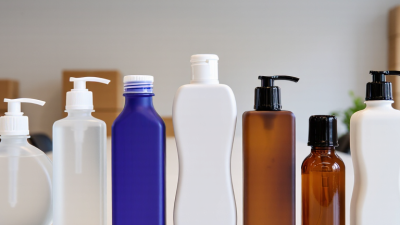
PET bottles use polyethylene terephthalate, or PET, a clear resin with a typical density of about 1.38 g/cm³. The material feels light in the hand, yet forms a sturdy wall around water, juice, or household liquids. Clear walls make fill levels easy to check. They also show scratches and scuffs readily. A small detail, but noticeable on a store shelf.

Density helps explain how PET behaves during recycling. In water-based separation, PET generally sinks, while common polypropylene or polyethylene caps tend to float. That difference can help sort the materials, though labels, adhesives, and bottle design also affect processing. NAPCOR’s 2023 PET Recycling Report estimated a 33% U.S. PET bottle recycling rate for 2022. The figure is useful context, not a promise that every bottle will be recycled. Density alone can mislead: actual resin grades and finished packaging may vary. For a practical check, look for a clearly marked resin code and a cap designed for easy separation.

HDPE Bottles (#2): Rigid Packs Using Resin at 0.94–0.97 g/cm³

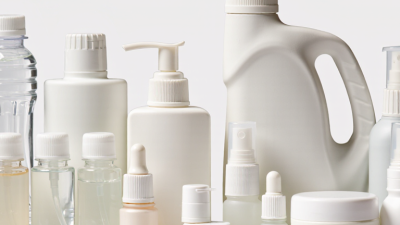
HDPE bottles, identified by resin code #2, are a common choice for rigid packaging with caps. The resin’s density is typically 0.94–0.97 g/cm³, and the finished bottle feels firm rather than soft or highly flexible. HDPE can handle everyday knocks and resist many household liquids, though performance depends on the formulation and bottle design. It is often used for cleaners, personal-care products, and other contents that benefit from a sturdy container. A secure cap helps limit leaks, but the bottle and closure should be tested together. Fit can vary.

Tips: Check the bottle’s intended contents, cap fit, and storage conditions before filling. Look for a clean neck finish and an even seal. Don’t assume every HDPE bottle suits every liquid; that small assumption can cause trouble.

For practical selection, compare wall thickness, handle shape, and how easily the bottle pours. A thicker wall may feel more robust, but it can add weight and use more material. That trade-off deserves a second look. Consider whether the package will be squeezed, dropped, or stored in warmth. Resin density is useful technical information, not a complete measure of durability. Small details matter.

PP Bottles and Caps (#5): Lightweight Resin at 0.90–0.91 g/cm³

Polypropylene (PP), marked #5, has a density of about 0.90–0.91 g/cm³, according to typical values in the CAMPUS plastics materials database. That low density helps keep bottles and caps light without making them feel flimsy. A small PP cap can flex slightly as it threads onto a bottle neck, then hold its shape through repeated opening. PP also tolerates warm filling better than many common packaging plastics, though exact performance depends on grade, wall thickness, and processing. Details matter.

PP is widely used, not a niche resin: PlasticsEurope’s Plastics – the Facts 2023 reports that polypropylene accounted for about 19% of global plastics production in 2022. For packaging designers, that broad use means established processing routes and familiar material data. A practical check is the closure fit: test the cap on the actual bottle, since thread geometry and liner choice can affect sealing more than resin density alone. PP is not automatically the best choice. It can become brittle in some cold conditions, and mixed-material assemblies may complicate recycling. I would treat the 0.90–0.91 figure as a useful starting point, not a complete design specification.

Choosing Bottle-and-Cap Combinations by Product, Neck Finish, and Recyclability

What Are the Top Types of Plastic Bottles With Caps?

Choosing Bottle-and-Cap Combinations by Product, Neck Finish, and Recyclability

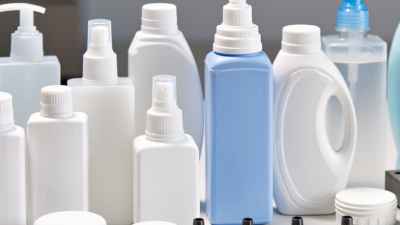
PET bottles suit clear beverages, personal-care liquids, and products that benefit from visibility. HDPE bottles are opaque, sturdy, and often chosen for household liquids. Pair each bottle with a cap that matches its product and dispensing needs: a flip-top offers quick access, while a threaded screw cap helps control leaks. The neck finish must match exactly; even a small thread mismatch can cause drips or cross-threading. Common finish codes include 28-410, but confirm the supplier’s dimensions before ordering.

Material matters, too. A cap made from a different polymer may still be recyclable, but only if local facilities can sort and process that combination. The Association of Plastic Recyclers’ Design Guide recommends evaluating the whole package, including closures, labels, and color. NAPCOR’s 2022 report estimated that 29.1% of PET bottles were recycled in the United States that year. That figure applies to PET bottles, not every plastic package. Recyclability is not automatic.

Tips: Test a filled bottle upright and on its side. Check cap torque, leakage, and how easily users can open it. Then verify the bottle and closure against local recycling guidance. There is no perfect pairing; a convenient cap can add material or complicate sorting. That trade-off deserves a second look.

What Are the Top Types of Plastic Bottles With Caps? — Choosing Bottle-and-Cap Combinations by Product, Neck Finish, and Recyclability

Bottle Type Typical Products Common Cap or Closure Typical Neck Finish Recyclability Considerations
PET (No. 1) Water, soft drinks, juice, cooking oil, and clear food containers Usually a polypropylene (PP) or high-density polyethylene (HDPE) screw cap; some beverage packages use tethered caps Carbonated beverage bottles commonly use a PCO-style finish; other bottles may use a continuous-thread finish such as 28-410 PET bottles are widely collected for recycling, but acceptance varies by location. Keep the cap on when local guidance recommends it.
HDPE (No. 2) Milk, household cleaners, personal-care products, and some food products PP or HDPE screw cap, dispensing closure, or flip-top cap Commonly a continuous-thread finish; the size and thread specification depend on the bottle and closure design HDPE bottles are widely accepted in many recycling programs. Empty the bottle and follow local instructions for the cap and any dispensing parts.
PP (No. 5) Food and beverage containers, syrups, sauces, and some specialty products PP screw cap, flip-top cap, or dispensing closure Continuous-thread or wide-mouth finish, selected to match the closure and opening size PP recycling availability varies substantially by community. Check local collection rules before labeling a package as recyclable.
LDPE (No. 4) Squeeze bottles for sauces, condiments, lotions, and personal-care products Flip-top, disc-top, or dispensing cap, commonly made from PP or PE Often a continuous-thread finish sized for the dispensing closure Flexible LDPE packaging is not accepted in every curbside program. A rigid squeeze bottle may be handled differently from a flexible film; verify local rules.
PVC (No. 3) Selected specialty packaging and some non-food liquid products Typically a compatible screw cap or dispensing closure, often made from PP or PE Specified to match the bottle design and closure; there is no single universal PVC bottle finish PVC bottles are not widely accepted in household recycling programs. Confirm that a local or specialized collection option exists.
Fluorinated HDPE Some chemical or industrial products requiring a treated container surface Compatible screw cap, often paired with a liner when product and sealing requirements call for one Usually a continuous-thread finish matched to the selected cap and liner Fluorination can affect recycling compatibility. Consult the package supplier and local recycler before making recyclability claims.

Selection note: Neck-finish dimensions and thread profiles must match the closure specification. Product compatibility, seal performance, dispensing needs, and local recycling rules should all be checked before choosing a bottle-and-cap combination.

Scroll to Top