1941 West Fort St

Detroit, MI 48216

313-496-0550

Mon - Fri 8:45 a - 4 p ET

Porter Bottle Company

China Best Small Plastic Bottles Supplier for Wholesale

Choosing a China-based supplier for small plastic bottles involves more than comparing unit prices. Wholesale buyers need consistent dimensions, dependable production, clear communication, and packaging that protects bottles in transit. A sample can reveal details a catalog misses: cap fit, wall thickness, surface finish, and how easily a bottle squeezes. Small details matter.

Before requesting a quotation, define the bottle’s intended use, capacity, shape, color, and closure. Ask which plastic materials are available and request product specifications for review. A supplier should explain its quality checks, customization options, minimum order quantities, lead times, and sample process in plain terms. Clear answers make comparisons more useful. Vague promises do not.

Production capacity matters, but it is only one part of supplier reliability. Buyers can ask how incoming materials and finished bottles are inspected, how defects are handled, and whether packaging can be adjusted for shipping needs. Verify claims with samples, written specifications, and consistent follow-up rather than relying on attractive product photos alone. This takes time. It is worth it.

This guide explores practical ways to assess China’s small plastic bottles suppliers for wholesale, from product selection to quotation review. It also considers common trade-offs, such as balancing customization with cost and lead time. No supplier is right for every order, and even a careful review cannot remove every uncertainty. A thoughtful process can, however, reduce avoidable surprises and help buyers make decisions with better evidence.
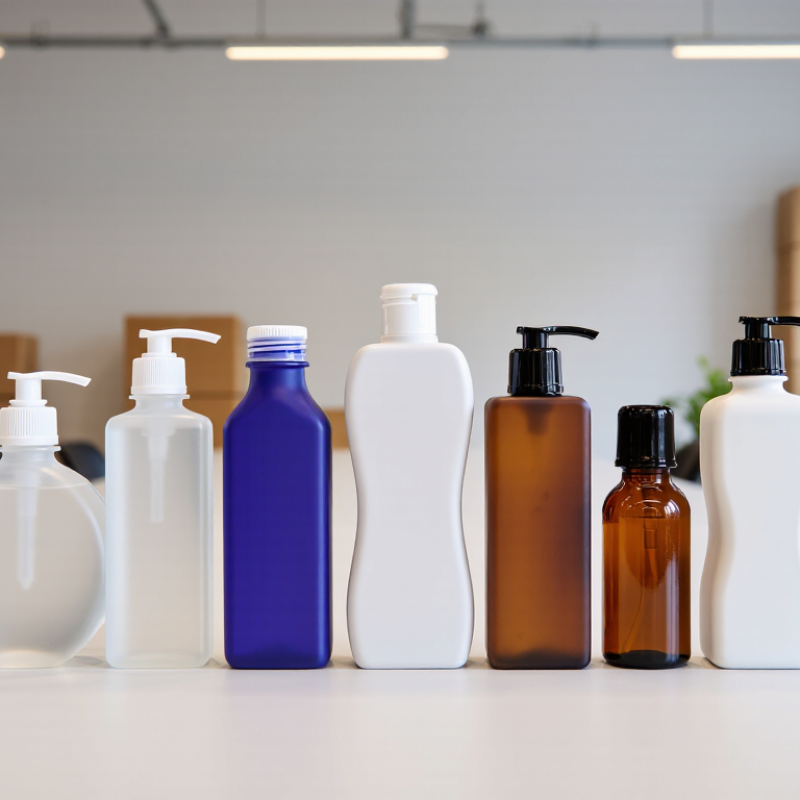
China Best Small Plastic Bottles Supplier for Wholesale

What Defines a Small Plastic Bottle for Wholesale Use

A small plastic bottle is defined by its capacity, footprint, and intended use—not by one universal size. For wholesale orders, the term often describes compact containers suited to hand filling, retail displays, travel kits, or sample packs. Capacity alone is not enough. A 60 mL bottle with broad shoulders may occupy more shelf space than a taller, slimmer design.

Buyers should check the full specification: body height and diameter, neck finish, closure fit, wall thickness, and material. These details affect filling speed, leak resistance, labeling, and carton count. Request a measured sample, then test it with the intended liquid and cap. Look for uneven seams, paneling after cooling, or a cap that loosens during handling. Small differences matter.

Consistency matters more than a low unit price. Request batch tolerances and case dimensions, then compare the packed carton—not just one bottle. A container may feel sturdy on a desk but flex in a warm warehouse. That is easy to miss. A simple squeeze and drop check can reveal concerns, though it cannot replace a compatibility test. Some specifications may still need adjustment after the first production run.
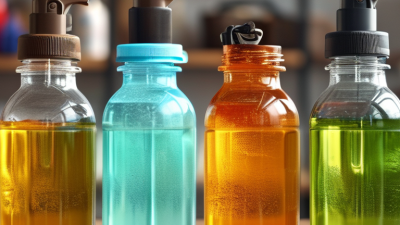
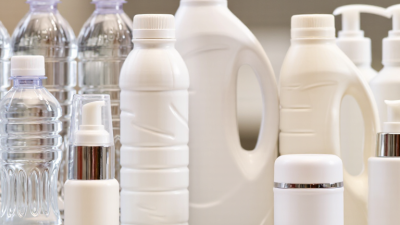
Common Bottle Materials, Sizes, and Closure Options

China Best Small Plastic Bottles Supplier for Wholesale

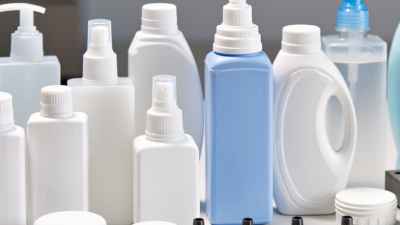
Small plastic bottles commonly use PET, HDPE, or PP. PET is clear and lightweight, so it suits products where visibility matters. HDPE is opaque and feels sturdy in hand. PP can tolerate warmer filling conditions, but confirm the grade and process with your supplier. Typical wholesale sizes run from 5 ml sample bottles to 500 ml travel or personal-care containers. A 30 ml bottle fits neatly in a palm; a 250 ml bottle needs more shelf space.

Closures shape both use and packing efficiency. Screw caps are simple and dependable. Flip-top and disc-top caps allow one-handed dispensing, while fine-mist sprayers need a compatible neck finish. Check the bottle’s neck dimensions, cap liner, and leak performance together—not as separate choices. NAPCOR’s 2022 report estimated the U.S. PET bottle recycling rate at 29.1%. That figure is a useful reminder: material choice and local recycling access both matter.

Tips: Request samples before placing a bulk order. Test them with your actual contents, then store filled bottles upright and on their sides. Check for leaks, cap fit, and label adhesion. Fit matters. One detail is easy to miss: a beautiful bottle may still be awkward to fill. Specify size, resin, closure, and color in writing, and confirm the production sample matches.

China Best Small Plastic Bottles Supplier for Wholesale - Common Bottle Materials, Sizes, and Closure Options

Category Option Common Specifications Typical Applications Wholesale Selection Notes
Bottle material PET (polyethylene terephthalate) Clear or tinted; lightweight and rigid. Commonly used for small bottles from approximately 10 ml to 250 ml. Personal-care products, travel-size toiletries, samples, and many non-carbonated liquid products. Offers good clarity and a smooth surface for labels. Confirm product compatibility and light-protection needs before ordering.
Bottle material HDPE (high-density polyethylene) Usually opaque or translucent; durable and slightly flexible. Available in small capacities such as 15 ml, 30 ml, 60 ml, 100 ml, and 250 ml. Household, personal-care, laboratory, and other products that benefit from an opaque or impact-resistant container. Check chemical compatibility, wall thickness, and whether the bottle needs to be squeezable or rigid.
Bottle material LDPE (low-density polyethylene) Soft and flexible, commonly made as a squeezable bottle in small capacities such as 10 ml to 120 ml. Dispensing drops, gels, lotions, and other products intended to be squeezed from the bottle. Confirm the desired squeeze force, nozzle or opening design, and resistance to the intended contents.
Bottle material PP (polypropylene) Lightweight and typically opaque or translucent; used for selected small bottles and packaging components. Products requiring a durable container or a matching PP closure; suitability depends on the product and design. Ask for product-specific compatibility information and verify the bottle and closure fit as a complete package.
Capacity Mini and sample sizes Common nominal capacities include 5 ml, 10 ml, 15 ml, and 30 ml. Samples, travel kits, testers, and small-quantity dispensing. Confirm brimful capacity, usable fill volume, and whether the package must meet travel or shipping requirements.
Capacity Small retail sizes Common nominal capacities include 50 ml, 60 ml, 100 ml, and 120 ml. Travel-size toiletries, personal-care products, and compact retail packaging. Request a drawing or sample to check overall dimensions, label area, and compatibility with the chosen closure.
Capacity Compact bottles Common nominal capacities include 150 ml and 250 ml. Personal-care, household, and other products where a compact bottle format is preferred. Compare bottle shape, neck finish, case pack, and shipping dimensions when evaluating wholesale options.
Closure Screw cap Common neck-finish examples include 18/410, 20/410, 24/410, and 28/410; availability depends on the bottle design. General-purpose packaging for liquids, lotions, and other products. Match the closure finish to the bottle finish; the first number refers to nominal neck diameter in millimeters and the second to the finish style.
Closure Flip-top or disc-top cap Often offered for compatible neck finishes such as 18/410, 20/410, and 24/410. Convenient dispensing of shampoos, washes, lotions, and similar products. Check opening size, hinge design, sealing performance, and whether the product's viscosity suits the dispensing orifice.
Closure Fine-mist sprayer Commonly paired with compatible small-bottle finishes, often in the 18/410 or 20/410 range. Fine sprays for suitable personal-care, fragrance, or other liquid applications. Confirm dip-tube length, output per stroke, spray pattern, and chemical compatibility with the contents.
Closure Lotion pump Available in several neck-finish sizes, commonly including 20/410 and 24/410, depending on the pump design. Lotions, liquid soaps, and other products dispensed in measured pump strokes. Check pump output, dip-tube length, lock style, and product viscosity before approving a production order.
Closure Dropper assembly Typically consists of a compatible cap, pipette, and bulb; neck finish and pipette length vary by bottle. Small-volume liquids where controlled dropwise dispensing is required. Verify bottle-neck compatibility, pipette length, bulb material, and the actual drop size with the intended liquid.

Capacities and neck-finish examples are common market options, not universal standards for every bottle design. Confirm dimensions, material compatibility, closure fit, and sample performance with the supplier before placing a wholesale order.

How Small Plastic Bottles Are Manufactured in China

Small plastic bottles made in China usually begin as resin pellets, often PET or HDPE. The production route depends on the bottle’s material, shape, and intended use.

PlasticsEurope’s Plastics—The Fast Facts 2023 reports 400.3 million tonnes of global plastics production in 2022. That figure covers many products, not bottles alone, but it shows the scale behind resin processing.

For a clear PET bottle, dried pellets are melted and formed into a small preform. The preform is reheated, placed inside a metal mold, then stretched and blown with compressed air.

For many HDPE bottles, molten plastic is extruded as a tube and inflated inside the mold. The mold leaves its mark. A supplier checks bottle weight, wall thickness, neck dimensions, and cap fit; sample bottles may also undergo leak and drop tests.

These details matter because a bottle can look sound while its neck threads are slightly off.

Production settings need adjustment for each design. Too much heat can distort a bottle; too little can leave weak areas. That sounds simple, yet consistency is difficult.

Ask suppliers for material specifications and recent inspection records, not just a sample. A sample proves possibility, not every production run.

How to Evaluate a Chinese Bottle Supplier

A dependable Chinese small plastic bottle supplier should make specifications easy to verify. Ask for resin type, bottle weight, capacity tolerance, neck dimensions, and closure compatibility in writing. Request samples from a production run, not only a polished showroom sample. Check for leakage, cap fit, wall thickness, and deformation after filling. Small differences matter. A cap that feels secure by hand may loosen during transport. Review inspection records, batch identification, and the supplier’s process for handling defects. A low quotation is less useful when replacement costs and delays are unclear.

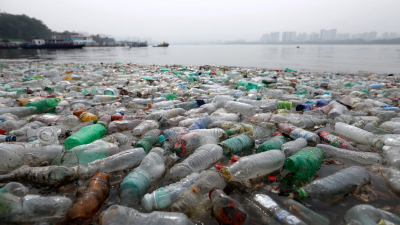
Environmental performance is also worth checking. The OECD’s Global Plastics Outlook (2022) reports that packaging accounted for 40% of plastic waste generated in 2019. This is not a supplier score, but it makes material choices and packaging details relevant questions. Ask whether recycled resin is available, and request documentation supporting any recycled-content claim. Confirm that the exact bottle specification can be produced consistently, then compare lead times and minimum order quantities against your sales plan. I would not rely on a single audit or sample; production quality can drift. That takes extra time. Still, a clear written specification and a repeat-order sample check offer practical evidence before a wholesale commitment.

Wholesale Ordering, Quality Checks, and Shipping Considerations

China Best Small Plastic Bottles Supplier for Wholesale

Wholesale Ordering, Quality Checks, and Shipping Considerations

Wholesale orders run more smoothly when specifications are clear before production. Confirm bottle capacity, dimensions, material, color, neck size, and closure fit in writing. Ask for a pre-production sample, especially when bottles must fit a filling line or retail carton. A small flaw matters. Check that caps tighten evenly and bottles stand upright on a flat surface. For larger orders, agree on an acceptable defect rate and how issues will be documented before shipment.

Quality checks should cover more than appearance. Inspect a sample from each production batch for leaks, dents, uneven walls, and loose closures. Fill a few bottles with water, tighten the caps, and place them on their sides overnight. Keep notes and dated photos; they make follow-up clearer if a shipment arrives damaged. I would not rely on one perfect sample alone. Production can vary, and that detail is easy to overlook.

Tips: Confirm carton counts and gross weight before booking freight. Ask how bottles are packed, and request corner protection for stacked cartons. Leave room in the schedule for inspection and transit delays. Keep records. Shipping estimates can shift.

Scroll to Top