Top 10 Plastic Bottle Manufacturers for Global Buyers
Choosing a packaging partner can shape product safety, shelf appeal, and delivery performance. For global buyers, the search extends beyond attractive catalogs. It involves material expertise, production consistency, documentation, and responsive communication. This guide introduces ten prominent plastic bottle manufacturers serving international markets. Each company is assessed through practical buying questions, not promotional claims alone. What materials do they process? Can they maintain neck dimensions across large batches? How clearly do they explain testing and quality controls? These details matter when a bottle must fit a filling line at 6 a.m.
The comparison focuses on PET, HDPE, and specialty plastic bottles for food, personal care, household, and industrial products. It examines mold capabilities, decoration options, closures, minimum order quantities, lead times, export experience, and customization support. Responsible manufacturers should provide traceable specifications, relevant food-contact information, and evidence of recognized quality systems. Buyers should still verify current certificates and regional requirements independently. Standards and factory conditions can change. That caution is essential.
Real purchasing decisions rarely follow a neat ranking. A supplier with advanced equipment may not suit a smaller launch. Another may offer flexible sampling but longer production schedules. No ranking is perfect. This guide highlights strengths, limitations, and questions worth asking before requesting a quotation. Readers can compare samples under actual filling, capping, transport, and storage conditions. A clear sample review often reveals more than a polished brochure. Small details decide outcomes. The goal is a dependable, informed shortlist for global sourcing.
Global Market Baseline: 460 Mt of Plastics Produced in 2019 (OECD)
Top 10 Plastic Bottle Manufacturers for Global Buyers
In 2019, global plastics production reached approximately 460 million metric tonnes, according to the OECD. That scale matters. It shows why plastic bottle sourcing requires more than comparing unit prices. Global buyers should examine resin selection, production capacity, mold control, and delivery reliability. A manufacturer’s ability to maintain consistent neck sizes and wall thickness can prevent filling-line delays.
The strongest candidates usually provide clear technical data, batch records, and independent quality testing. Buyers should ask about recycled content, material traceability, leak testing, and resistance to heat or pressure. Packaging requirements vary by market, so compliance documentation must match the destination country. Food-contact applications need especially careful review. Claims should be supported by current certificates, not attractive brochures.
A practical top-ten evaluation should combine scale with evidence. Production volume alone does not prove dependable service. A smaller facility may offer better communication, while a large plant may provide stronger backup capacity. Numbers can mislead.
I would also inspect samples under real handling conditions, including transport vibration and warehouse stacking. Some assessments remain imperfect because suppliers may present their best production batch. Regular audits, retained samples, and written specifications reduce that uncertainty.
Sustainability deserves the same scrutiny, since lightweight bottles can lower material use but may become less durable. The best purchasing decision balances environmental goals, product performance, regulatory confidence, and total delivered cost.
Material and Circularity Benchmark: PET, HDPE, and the 9% Global Recycling Rate
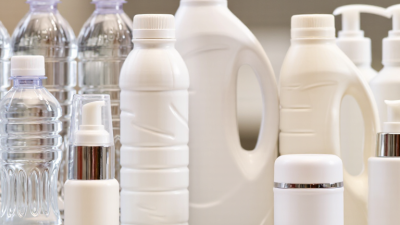
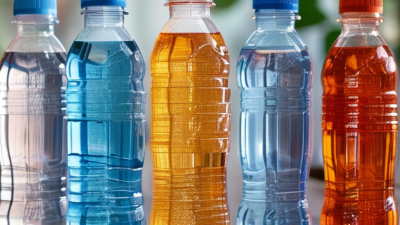
When evaluating the top 10 plastic bottle manufacturers for global buyers, material choice deserves close attention. PET is lightweight, transparent, and widely used for water, beverages, and personal care products. A clear 500-milliliter PET bottle can support efficient transport, but its value depends on collection and sorting systems.
HDPE offers stronger chemical resistance and better stiffness for detergents, cosmetics, and household liquids. Its opaque surface can limit visual inspection, while color additives may reduce recycling options. Buyers should request resin specifications, recycled-content evidence, migration test results, and production traceability. Small details matter. A reliable factory should also explain closure compatibility, wall thickness, defect rates, and quality-control procedures.
The global plastic recycling rate remains close to 9%, which exposes a serious circularity gap. Recyclability on paper does not guarantee recycling in practice. Manufacturers should design bottles with compatible labels, simple components, and minimal pigments. They should measure scrap, recycled input, energy use, and recovery outcomes across markets. Supplier audits and independent laboratory checks improve confidence, although they cannot replace local recycling infrastructure. I would question any claim that calls a bottle “circular” without showing collection data. The benchmark is useful, but never complete. Even a technically recyclable bottle may be discarded when nearby facilities lack sorting capacity.
Ranking the Top 10: Capacity, MOQ, Certifications, and Defect Rates
Top 10 Plastic Bottle Manufacturers for Global Buyers
Ranking the Top 10: Capacity, MOQ, Certifications, and Defect Rates
A credible ranking should measure more than production volume. Plastics Europe reported global plastics production at about 414 million tonnes in 2023. That scale shows capacity, but it does not prove consistent bottle quality. Our assessment therefore weighs annual output, mold availability, lead times, minimum order quantity, certifications, and verified defect rates. Large plants may offer millions of units monthly, while regional facilities can accept MOQs near 10,000 to 50,000 bottles. The best choice depends on your launch size.
Defect data needs careful handling. Many manufacturers publish no standard rate. Buyers should request rolling 12-month PPM records, corrective-action reports, and inspection results by bottle type. ISO 2859-1 sampling plans can support comparable checks, although one audit cannot reveal every process weakness. Certifications such as ISO 9001, ISO 14001, BRCGS Packaging, and applicable food-contact declarations add confidence. They are not magic shields. A certified factory can still miss a neck finish or deliver uneven wall thickness.
Tips: Ask for three production samples, not showroom pieces. Measure weight, torque, drop resistance, and leakage. Confirm resin origin and recycled-content claims through test documents. Compare MOQ with your actual sales forecast. A low unit price can hide expensive storage. Also, review defect definitions carefully; “below one percent” may sound strong, but 10,000 flawed bottles can damage a major shipment. Industry packaging studies from Smithers and PMMI repeatedly emphasize traceability, automation, and inspection data. I would still rank transparent reporting above impressive capacity.
Regional Demand Context: Packaging Represented 39.6% of Europe’s Plastics Use
Top 10 Plastic Bottle Manufacturers for Global Buyers
Europe’s packaging industry consumed 39.6% of the region’s plastics, showing strong demand for bottle production. The figure is significant. It also hides major differences between food, personal care, household, and industrial packaging.
For global buyers, a top-10 manufacturer list should not rely on production volume alone. Manufacturing experience matters, especially when bottles require lightweight walls, precise neck finishes, or high drop resistance. Technical teams should review resin specifications, mold capability, leak-test methods, and closure compatibility. Recycled content can support sustainability goals, but it may affect color, odor, and mechanical strength. Small details matter.
Supplier audits should examine factory cleanliness, batch traceability, quality records, and capacity during peak seasons. Buyers should also request samples from regular production lines, not only polished prototypes. That distinction can reveal uneven thickness or unstable color. Lead times need careful checking. A low quotation may become expensive when tooling changes, freight delays, or rejected batches appear. This is where many sourcing plans remain too optimistic.
European demand also raises questions about regional supply security. Local or nearby production may reduce transport exposure, while overseas factories can offer broader capacity and competitive pricing. Neither option is automatically better. The right choice depends on volume, delivery frequency, material requirements, and documentation quality. A thoughtful comparison should leave room for doubt, because packaging performance is rarely proven by a spreadsheet alone.
Buyer Verification: Food-Contact Compliance, Carbon Data, Lead Times, and Cost
Top 10 Plastic Bottle Manufacturers for Global Buyers
Buyer Verification: Food-Contact Compliance, Carbon Data, Lead Times, and Cost
Selecting a plastic bottle manufacturer requires more than comparing catalog photos and unit prices. Request a current food-contact declaration, resin identification, and migration-test reports for the exact bottle and closure combination. Check whether testing covers the intended food, temperature, and storage period. A generic certificate may not protect your application.
Ask for production records, quality-control procedures, and recent audit evidence. During factory discussions, verify wall-thickness tolerances, leak-test methods, and sampling frequency. Request carbon data by product or production site, including energy use, recycled content, and relevant emission scopes. Figures without boundaries can mislead. A low-carbon claim needs a clear calculation method and supporting records.
Lead times should be tested against real capacity, not optimistic sales estimates. Ask about mold availability, resin sourcing, inspection schedules, and backup production lines. One practical check is a pilot order under normal conditions. It may expose delays before a major launch. Cost comparisons should include tooling, freight, packaging, inspection, rejected units, and payment terms. The lowest quotation can become expensive after quality failures. Documents can be accurate yet incomplete. I have seen strong factories underestimate seasonal demand, so buyers should review assumptions and update supplier scores regularly.
Top 10 Plastic Bottle Manufacturers for Global Buyers
Buyer Verification: Food-Contact Compliance, Carbon Data, Lead Times, and Cost
This framework converts common procurement requirements into verifiable data fields rather than company-specific claims. The checks cover two major food-contact compliance frameworks, three GHG accounting scopes, four lead-time milestones, and five cost components.