How to Choose the Right Plastic Bottles for Your Business?
In today's competitive landscape, choosing the right plastic bottles can significantly impact your business's success. According to a report by Transparency Market Research, the global plastic bottle market is expected to reach over $500 billion by 2025. This growth underscores the importance of selecting bottles that not only meet your product's needs but also cater to sustainability demands. Many consumers now prioritize eco-friendly packaging, reflecting a shift in market trends.
Identifying the right type of plastic bottles involves understanding several factors. The material should align with your brand values and product requirements. For instance, PET (polyethylene terephthalate) is popular for its recycling potential and lightweight nature. However, it's essential to examine the perceptions around plastic bottles. Some companies face backlash for using non-recyclable materials. This highlights the need for thoughtful selection.
Exploring options like bioplastics can also open new avenues. Though they may carry higher initial costs, they appeal to environmentally-conscious customers. Reflecting on your choices around plastic bottles can lead to more engaged consumers. Balancing quality, sustainability, and cost is crucial. Every decision has its pros and cons. Evaluating these can better position your business in the evolving market.
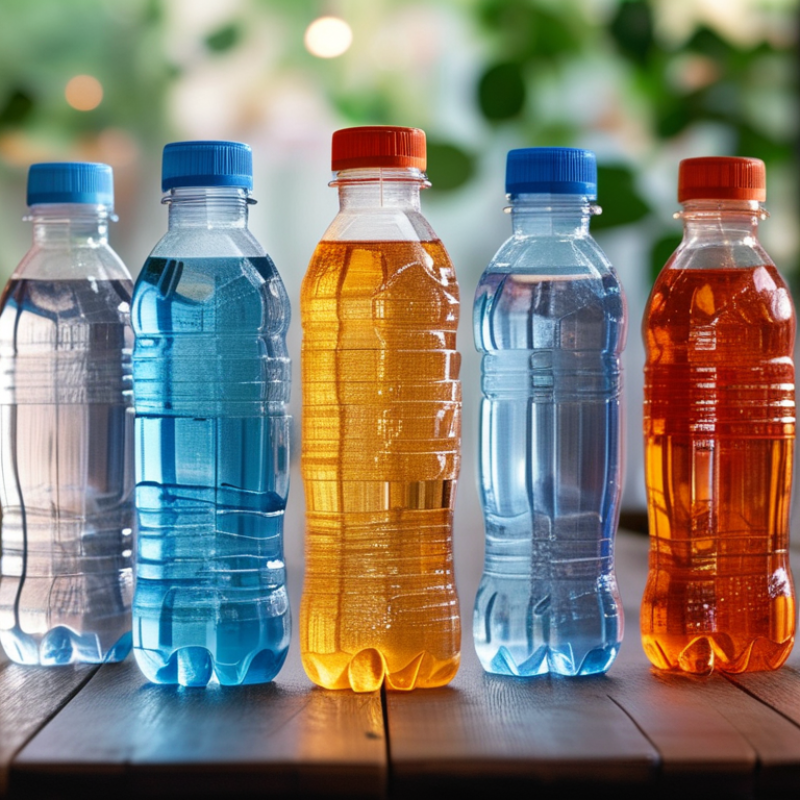
Identifying the Specific Needs of Your Business for Plastic Bottles
Identifying the specific needs of your business when selecting plastic bottles is essential. Start by considering the nature of your product. For example, liquid goods require different bottles than solid products. The size and shape of your bottles will also affect how customers interact with your brand.
Think about your target audience. Users may prefer certain bottle designs based on convenience or aesthetics. Conduct surveys or gather feedback to know their preferences. Understanding these aspects can guide your choices.
High-density polyethylene (HDPE) might work for some, while crystal-clear PET is better for visibility. Each material has its strengths but also limitations.
Don't overlook environmental concerns. Consumers are increasingly eco-conscious. If your company values sustainability, look for recyclable options. Assessing your packaging options is an ongoing process.
It’s crucial to test designs and materials before making final decisions. Trial and error can provide invaluable insights. These reflections can lead to better choices in the future.
Understanding Different Types of Plastic Materials and Their Properties
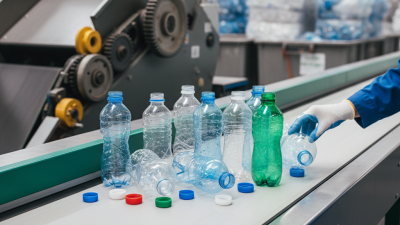
When selecting plastic bottles for your business, it’s crucial to understand the properties of various plastic materials. Polyethylene terephthalate (PET) is a common choice for beverage packaging. It is clear, lightweight, and resistant to impact. However, PET has limitations regarding heat and cannot tolerate high temperatures.
High-density polyethylene (HDPE) is another widely used option. This material offers excellent chemical resistance and is suitable for packaging cleaning agents or personal care products. Yet, HDPE might not give the same clarity and aesthetic appeal as PET.
Polypropylene (PP) is often chosen for its durability and versatility. It can withstand higher temperatures, making it ideal for food containers and microwavable items. However, it may be less environmentally friendly compared to other options. Evaluating the environmental impact of materials is vital, but the choices available can feel overwhelming.
Each plastic type has specific benefits and challenges. The right choice depends on your product's needs and your brand’s values. Balancing practicality and sustainability is a continuous process for any business. Overall, carefully considering material properties will lead to better decision-making.
Evaluating the Environmental Impact of Plastic Bottles
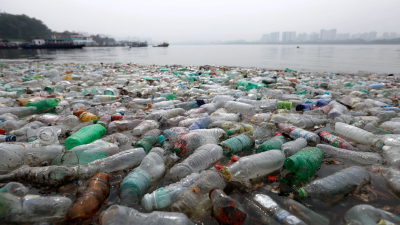
When choosing plastic bottles for your business, it's vital to consider their environmental impact. The production and disposal of plastic bottles contribute to pollution and waste. By evaluating factors like recyclability and production process, companies can make informed choices.
Tips: Opt for bottles made from recycled materials. They often have a lower carbon footprint. Look for options that are 100% recyclable. This not only benefits the environment but can enhance your brand image.
Additionally, consider the bottle's lifespan. Short-lived products can end up in landfills sooner. Plastic bottles that are used multiple times or have refillable options are more sustainable. Assessing the supply chain is crucial; choose suppliers committed to eco-friendly practices.
Finally, stay aware of regulations regarding plastic waste. They vary by location and may affect your business operations. Acknowledging these points can help your business make responsible decisions.
Comparing Costs and Supplier Options for Bulk Purchases
When considering plastic bottles for bulk purchases, cost comparison is crucial. According to a recent report from Smithers Pira, packaging accounts for about 20% of the total product cost in many sectors. Understanding your needs can help you navigate supplier options effectively. Focus on the type of plastic, volume needs, and anticipated purchase frequency.
Evaluating suppliers is as important as comparing prices. Research shows that 60% of businesses experience issues with inconsistent supply and quality. It can lead to wasted resources and lost revenue. Check supplier references and reliability indicators. Look for transparency in pricing structures and contracts.
Also, be mindful of hidden costs. Often, shipping and handling can inflate total expenses significantly. For instance, bulk orders might seem cheaper initially, but unforeseen logistical costs could negate savings. Taking time to analyze all aspects of your purchasing strategy will lead to better long-term decisions.
Ensuring Compliance with Safety and Regulatory Standards
Choosing the right plastic bottles is crucial for business compliance. Understanding safety and regulatory standards ensures that your products remain safe and legal. The FDA sets clear guidelines for materials used in food and beverage packaging. Reports indicate that approximately 33% of businesses face regulatory challenges due to improper packaging choices.
When selecting plastic bottles, consider the type of plastic. PET and HDPE are popular for a reason. They are generally regarded as safe. However, each has specific guidelines. For instance, PET is suited for single-use applications. Meanwhile, HDPE is more durable and can often be reused. Always check compliance with local regulations; non-compliance can lead to costly penalties.
Tips: Always test your bottles for potential chemical leaching. Conduct independent third-party assessments to ensure safety. Engage with regulatory experts to stay updated. Their insights can help navigate complex regulations effectively. Reflect on past choices. Have you faced issues due to packaging? Use those experiences to refine your approach. Consider the environmental impact too. It's key in today’s market.