1941 West Fort St
Detroit, MI 48216
313-496-0550
Mon - Fri 8:45 a - 4 p ET
For global buyers, liquid bottles are more than simple containers. They protect products during filling, storage, shipping, and daily use. A bottle may face heat in a warehouse, vibration on a truck, or pressure inside a crowded carton. Its performance can decide whether a shipment arrives safely.
Walter Soroka, a respected packaging educator and author of Fundamentals of Packaging Technology, stated, “Packaging must protect, contain, preserve, transport, inform, and sell a product.” This principle explains why buyers examine liquid bottles so carefully. They compare material strength, closure compatibility, chemical resistance, filling speed, and labeling space. They also check whether the bottle supports reliable production at scale. Small details matter. A weak neck can cause leakage. An uneven base can create instability on a conveyor.
Experience shows that no bottle fits every market perfectly. A lightweight design may reduce transport costs, but it can feel less durable. A heavier bottle may improve presentation, yet increase shipping weight. This trade-off deserves honest evaluation. Buyers should request samples, perform drop tests, and review supplier quality records before placing large orders. They should also confirm material specifications and recycling information for each destination.
Reliable liquid bottles help brands control risk and build customer trust. Clear walls can show product quantity. Accurate closures can reduce spills. Consistent dimensions can improve packing efficiency. These benefits are practical, not decorative. For international purchasing teams, the best choice combines verified performance, suitable materials, dependable supply, and clear communication. Cost matters. So does what happens after the bottle leaves the factory.
Why Are Liquid Bottles Essential for Global Buyers?
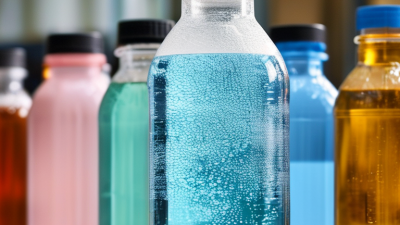
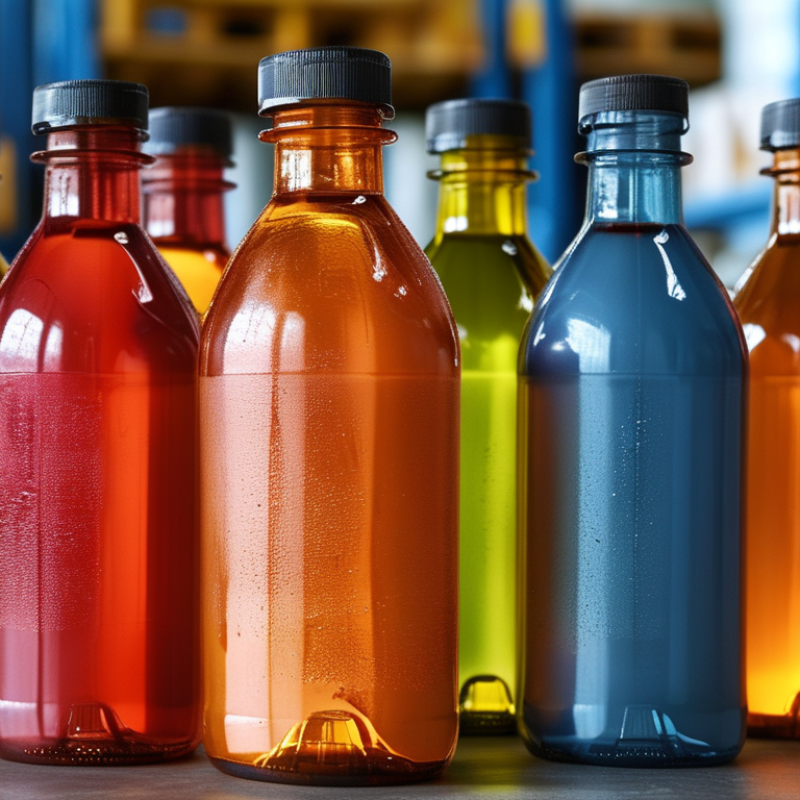
Liquid bottles are containers designed to hold, protect, and dispense fluids. They serve water, beverages, cosmetics, household chemicals, and medical products. Their structure helps prevent leakage, contamination, evaporation, and damage during transport. A suitable bottle also supports accurate dosing, easy handling, and clear product identification.
Material choice changes performance. PET bottles are lightweight and impact-resistant. HDPE offers strong chemical resistance. Glass provides excellent barrier protection but adds weight and breakage risk. Closures, liners, pumps, and tamper-evident features also matter. According to the OECD’s Global Plastics Outlook, global plastic waste reached 353 million tonnes in 2019, while only 9% was recycled. This makes recyclability and material reduction practical buying concerns, not decorative claims.
Access matters too. The WHO and UNICEF Joint Monitoring Programme reported that 2.2 billion people lacked safely managed drinking water in 2022. Reliable liquid packaging can support distribution where refill systems remain limited. Still, a bottle is not automatically sustainable. Its real impact depends on material, manufacturing energy, transport distance, reuse potential, and end-of-life collection. Buyers should request technical specifications, migration testing, closure compatibility, and recycled-content evidence. Small details matter. A well-designed bottle protects the liquid, yet poor disposal planning can weaken its wider value.
| Bottle Category | Typical Materials | Common Capacity Range | Suitable Liquid Products | Key Functional Purpose | Important Buyer Considerations |
|---|---|---|---|---|---|
| Small Dropper Bottle | Glass or plastic | 5–60 mL | Essential oils, serums, laboratory liquids, concentrated solutions | Controlled dispensing of small quantities | Dropper accuracy, chemical compatibility, leak resistance, light protection |
| Squeeze Bottle | LDPE, HDPE, or flexible multilayer plastic | 30–1,000 mL | Sauces, personal-care products, adhesives, craft and laboratory liquids | Easy one-handed dispensing and product control | Flexibility, nozzle design, recovery after squeezing, seal performance |
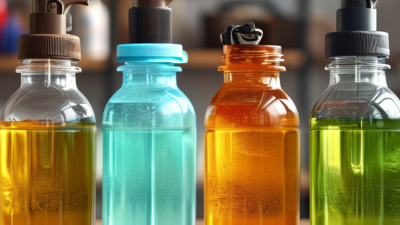
| Pump Bottle | PET, HDPE, PP, or glass | 100–1,000 mL | Liquid soap, lotion, shampoo, sanitizer, cleaning products | Measured, hygienic dispensing with limited hand contact | Pump output per stroke, actuator durability, lock mechanism, dip-tube fit |
| Spray Bottle | PET, HDPE, PP, or glass | 30–1,000 mL | Fragrances, surface cleaners, hair products, plant-care solutions | Fine mist, stream, or foam application over a targeted area | Spray pattern, clog resistance, trigger strength, compatibility with formulation |
| Wide-Mouth Bottle | Glass, PET, HDPE, or PP | 100–2,000 mL | Thick sauces, creams, gels, powders mixed with liquids, viscous formulations | Filling, scooping, cleaning, and removal of viscous contents | Opening diameter, closure torque, filling efficiency, residue retention |
| Pharmaceutical Liquid Bottle | Amber glass, HDPE, or PET | 30–500 mL | Oral medicines, diagnostic solutions, sterile or non-sterile preparations | Protection, dose measurement, and safe storage of regulated liquids | Tamper evidence, child resistance where required, dosage cup or oral syringe fit, regulatory compliance |
| Laboratory Reagent Bottle | Borosilicate glass, HDPE, or fluoropolymer-lined materials | 30 mL–5 L | Reagents, solvents, buffers, samples, and analytical solutions | Chemical containment and protection from contamination | Chemical resistance, closure integrity, labeling area, light protection, cleanability |
| Travel and Refill Bottle | PET, HDPE, LDPE, PP, or silicone | 10–250 mL | Toiletries, cosmetics, hand sanitizer, household liquids | Portable storage and convenient dispensing in small quantities | Compact size, airport-related volume limits, leak prevention, refillability |