1941 West Fort St
Detroit, MI 48216
313-496-0550
Mon - Fri 8:45 a - 4 p ET
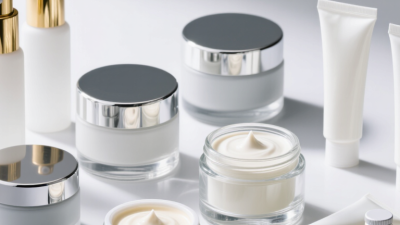
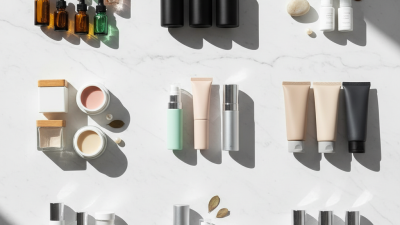
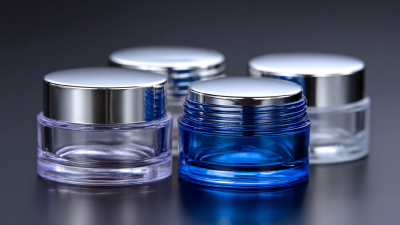
Choosing cosmetic containers in 2026 is not just a design decision. The right bottle, jar, or tube must protect the formula, work smoothly in customers’ hands, and fit your brand’s budget. A heavy glass jar may look premium on a shelf, yet add shipping weight. A pump can help dispense a measured amount, but it may not suit every product’s viscosity. Small details matter: cap fit, label space, refill options, and how much product remains inside after use. That choice sounds simple. It rarely is.
Market growth makes these decisions more pressing. Grand View Research estimated the global cosmetic packaging market at USD 34.8 billion in 2023 and projected a 5.3% compound annual growth rate from 2024 to 2030. These figures indicate a growing category, not a guarantee that any one format will succeed. Before selecting packaging, compare materials, closures, decoration methods, minimum order quantities, and sample performance. Test containers with your actual formula, especially if it is sensitive to light, air, or repeated handling. Ask suppliers for clear material specifications and written compatibility guidance. A polished sample is useful, but it is not a substitute for testing. And sustainability claims deserve scrutiny: a recyclable material may still depend on local collection systems. The best choice balances appearance, protection, usability, and practical end-of-life options. Some compromises will remain. Be honest about them.
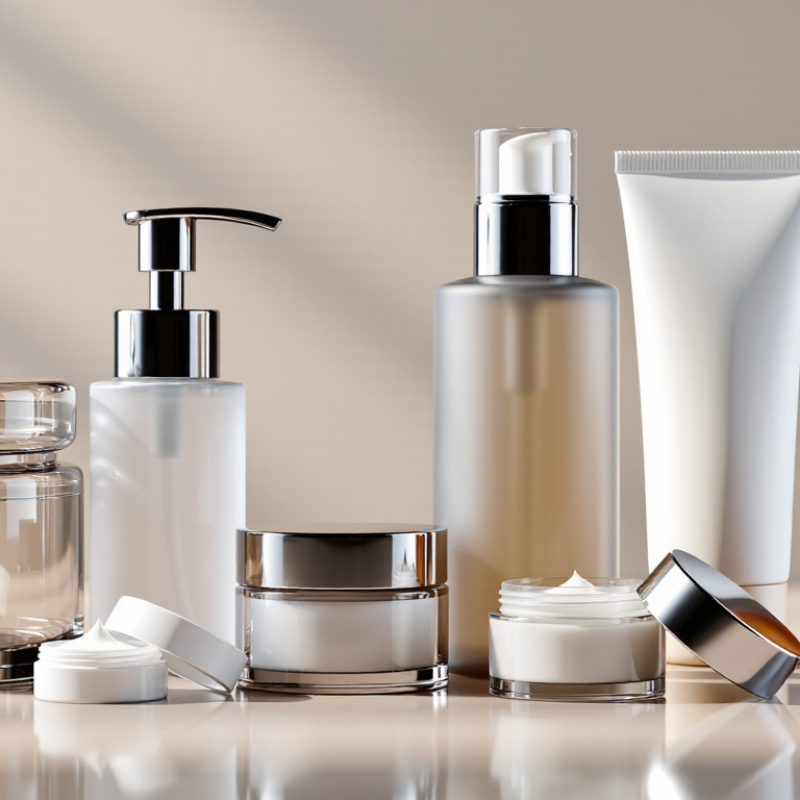
Before choosing cosmetic containers, define what the formula needs and how customers will use it. A lightweight lotion may work in a pump bottle, while a thick balm may need a wide-mouth jar. Consider viscosity, sensitivity to light and air, and how much product people use per application. Check compatibility with the actual formula, not a similar sample. A small test can reveal leaks, clogging, discoloration, or texture changes.
Tips: List the fill volume, closure type, dispensing method, target price, and shipping conditions. Test filled containers upright, on their sides, and after repeated use. Keep samples for observation.
Include practical requirements such as shelf space, label area, grip, refill plans, and carrying weight. Ask the filling team about production speeds and container tolerances before approving a shape. These details can affect cost and consistency. A design that looks elegant on screen may feel awkward with wet hands. It happens. Early reviews can overvalue appearance, so gather feedback from people who will fill, sell, and use the packaging. Record trade-offs; some choices may need revision.
| Requirement | What to Define | Practical Examples | Packaging Implications | What to Validate |
|---|---|---|---|---|
| Product format and viscosity | Identify whether the formula is a liquid, lotion, gel, cream, balm, powder, or solid, and note how easily it flows. | A thin toner flows readily; a rich cream is more viscous; a pressed powder is a dry solid. | Thin liquids may suit bottles with pumps, droppers, or compatible closures. Thick creams often need a wider opening or a dispensing system designed for higher viscosity. | Test dispensing, dose consistency, clogging, leakage, and how much product remains in the container at the end of use. |
| Formula compatibility | List key ingredients, pH range, oils, solvents, fragrance components, and any known sensitivities to packaging materials. | Formulas containing oils, alcohols, or fragrance components should be assessed with the intended bottle, liner, pump, gasket, and decoration. | Potential contact materials include glass, PET, HDPE, PP, elastomers, and metal components. Suitability depends on the complete formula and package construction. | Run compatibility and stability testing in the final intended package; check for changes in appearance, odor, mass, function, and material condition. |
| Light, air, and moisture sensitivity | Determine whether exposure to light, oxygen, or water vapor could affect formula quality during storage and use. | Light-sensitive formulas may require an opaque or light-protective package. Formulas that oxidize readily may need a well-sealed package. | Consider opaque or tinted containers, tight-fitting closures, reduced headspace, or a dispensing system that limits repeated exposure. No package type eliminates the need for stability testing. | Evaluate the filled package under the expected storage conditions and confirm that the closure maintains an adequate seal throughout use. |
| Use pattern and dispensing | Define how much product is used per application, how often it is used, and whether dispensing must be controlled or hygienic. | A dropper can support measured liquid dispensing; a pump can provide repeatable portions; a jar gives access to thicker products. | Match the pump or applicator to formula viscosity and dose requirements. Consider whether the user can access the product without excessive effort or contamination risk. | Test dose size, priming, actuation force, dispensing after storage, and ease of use with the actual formula. |
| Fill quantity and container capacity | Set the declared fill quantity, target fill weight or volume, expected product density, and any required headspace. | A 30 mL liquid and a 30 g cream are not necessarily interchangeable by container volume because density and filling conditions differ. | Select a container with sufficient usable capacity for the formula, closure, filling process, and product presentation. | Confirm fill accuracy, headspace, package dimensions, and compatibility with the filling and capping equipment. |
| Distribution and durability | Map the expected shipping, storage, retail, and consumer-use conditions, including temperature changes and handling. | Packages sent through parcel networks may experience vibration, drops, compression, and temperature variation. | Container shape, wall strength, closure retention, and secondary packaging can affect leakage and breakage risk. Glass is rigid but can break; plastic formats vary by resin and design. | Test the complete packed product using distribution conditions relevant to the route and market; inspect for leaks, breakage, and closure loosening. |
| Material and end-of-life goals | Specify material preferences, recycled-content targets, refill or reuse plans, and the markets where the package will be sold. | A mono-material design may be simpler to sort than a package combining several inseparable materials, but local collection and recycling systems differ. | Review the bottle, pump, cap, label, decoration, and any refill components together. Claims about recyclability or recycled content require appropriate substantiation. | Check local recycling guidance and confirm material specifications and documentation with suppliers before making environmental claims. |
| Labeling and product information | List the required product information, directions, warnings, ingredient declaration, batch details, and market-specific language. | Small containers may have limited label space; some markets permit certain information to appear on accompanying packaging where applicable. | Reserve readable space on the primary package or plan suitable secondary packaging. Label stock and adhesives should also be compatible with the container and use conditions. | Review the final artwork and placement against applicable rules in each sales market; test label adhesion and legibility on the actual package. |
| Production and sourcing | Define expected order quantities, required launch timing, filling-line constraints, and acceptable component variation. | Custom molds and specialized decoration can require additional development time compared with standard stock components. | Confirm container availability, component tolerances, decoration options, minimum order quantities, and whether components can run on existing equipment. | Approve production samples and conduct line trials with the selected container, closure, label, and formula before committing to a full production run. |
Planning note: Examples are general starting points, not universal material or regulatory recommendations. Final package selection should be based on the specific formula, closure system, filling process, storage conditions, and applicable requirements in each sales market.