Choosing the right plastic jars for wholesale can shape product protection, shipping costs, and shelf appeal. Yet “best” depends on what you plan to package. A clear PET jar may showcase colorful contents, while an opaque HDPE container can suit products that need a sturdier, less transparent package. Material names alone do not tell the whole story. Small details matter.
This guide compares ten practical options through the questions buyers should ask: What sizes are available? Does the lid close securely? Can the jar withstand filling, storage, and transport? A wide-mouth opening may make scooping easier, while a ribbed cap can improve grip during handling. These features sound minor. They are not.
Wholesale decisions also involve minimum order quantities, sample availability, customization, and delivery timelines. A low unit price may look attractive until freight or inconsistent dimensions affect the real cost. Request samples and check them with your intended product before placing a large order. Confirm material compatibility and ask suppliers for clear specifications; do not rely on product photos alone. This comparison offers a useful starting point, not a universal verdict. Some recommendations may not fit every brand, budget, or packing line. The best choice is the one that meets your product’s needs and performs reliably at the scale you actually buy.
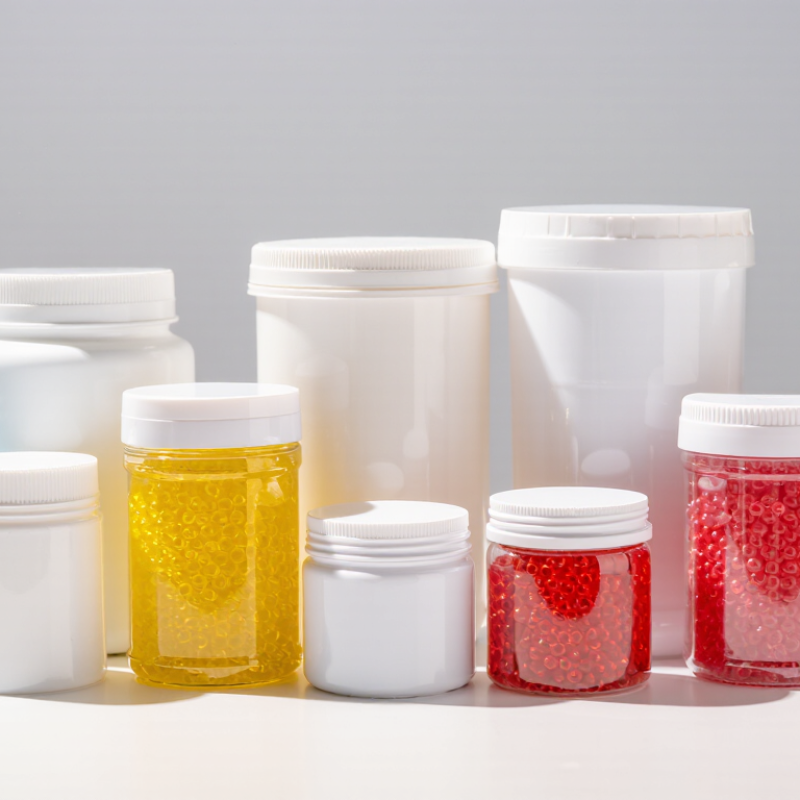
For wholesale buyers, resin choice affects shelf appearance, shipping damage, filling temperature, and end-of-life options. PET (#1) is typically clear and rigid, making it useful when shoppers need to see the contents. HDPE (#2) is opaque or translucent and resists impact and moisture, though it can feel less glass-like. PP (#5) tolerates higher temperatures than many common packaging plastics, but its stiffness and clarity vary by grade. Not interchangeable.
Recycling data can inform the decision, but it needs context. The U.S. EPA’s 2018 Advancing Sustainable Materials Management report recorded recycling rates of 29.1% for PET bottles and jars and 29.3% for natural HDPE bottles. These figures describe specific U.S. packaging streams, not every jar or local collection program. NAPCOR’s 2023 PET Recycling Report also estimated a 29.1% U.S. PET bottle recycling rate for 2022. A recycled-material claim should therefore be checked against the intended market and actual supply. For a heavy lotion, test HDPE jars with the chosen closure for leaks after shipment. For a clear product display, check PET for scuffing and stress cracking. PP may suit warmer filling processes, but confirm performance with the supplier’s grade data. Small samples help. I would not choose by resin code alone; it is a useful clue, not a full specification.
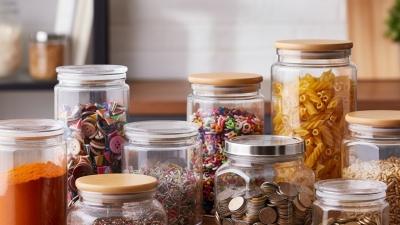
Jar capacity should reflect the usable fill, not the jar’s advertised volume alone. Leave headspace for powders that settle, creams that need clean opening, or liquids that move during transport. Compare sample fills with your actual product; a 250 ml jar can feel cramped when the formula needs a wide scoop. Small details matter. Check whether the filled jar still fits standard cartons and whether its weight keeps freight costs practical.
Shape affects both shelf display and handling. Straight-sided jars usually provide a broad label panel, while rounded shoulders can reduce usable label space. Match the neck finish to the product and closure: a wide opening helps with thick creams, while a smaller opening may suit controlled dispensing. Verify thread fit, liner compatibility, and sealing with production samples. A spec sheet alone cannot reveal every leak or opening issue.
The OECD’s 2022 Global Plastics Outlook reports that packaging generated 40% of global plastic waste in 2019. That figure covers packaging broadly, not plastic jars specifically, but it makes right-sizing a sensible design check. Avoid oversized jars that ship mostly empty. One imperfect assumption buyers sometimes make: the largest capacity is always the best value. Compare fill efficiency, label area, closure performance, and packed-case dimensions before committing to a wholesale order.
For wholesale buyers, barrier performance should be checked against the product, not judged by appearance alone. A thick plastic jar may feel sturdy, yet its walls can still allow gradual moisture or oxygen transfer. That matters for powders that clump, creams that dry out, or ingredients sensitive to oxidation. Resin type, wall thickness, and closure design all affect protection. Check the lid and liner, too. A tiny gap can undermine an otherwise suitable container.
Chemical resistance needs equally careful review. Oils, acids, fragrances, and cleaning residues may interact differently with different plastics. Ask for compatibility data, then test the actual product in its intended jar. Watch for swelling, softening, discoloration, leaks, or changes in odor. Run checks at realistic storage temperatures and over a useful period; a quick fill test is not enough. Not every result is perfectly clear. That is worth admitting. Moisture or oxygen testing can help compare options, but real-world handling and storage may still expose weak points. Keep samples from each production batch when possible, and record the conditions used.
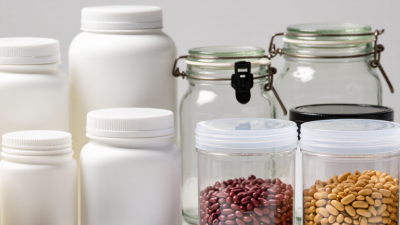
Clear PET jars suit products that benefit from shelf visibility, but they can scratch during rough handling. HDPE jars feel sturdier and block more light, though shoppers cannot see the contents. PP wide-mouth jars make scooping creams or powders easier; their lids still need careful fit checks. LDPE squeeze jars dispense soft products neatly, but they are less rigid. Acrylic jars look polished on display, yet scratches show quickly.
PETG jars offer a clear, impact-resistant option, though unit costs may be higher. SAN jars also provide a glass-like appearance, but check compatibility with the actual formula. Recycled PET jars can support material-efficiency goals; color and clarity may vary between batches. Tamper-evident jars add visible opening cues, but the closure must match the filling line. Stackable jars use shelf space well. Their shape can limit label area.
Small details matter. Ask suppliers for samples, then test the intended product, cap, and label together. Check leakage after transport-style handling, not just on a clean desk. A jar that looks right in a catalog may feel awkward in a buyer’s hand. I would not choose by price alone; the cheapest option can become costly if its neck finish or dispensing style frustrates customers.
For wholesale plastic jars, compare more than the quoted price. Request pricing at several order quantities, and confirm the minimum order quantity, setup charges, lead time, and whether lids and liners are included. A low unit cost can shift once freight, decoration, or a custom mold is added. Ask for the same jar specification across quotes: capacity, weight, dimensions, resin, and closure. Small differences matter. A lighter jar may reduce shipping costs, but it can also feel less sturdy on a shelf.
Check food-contact suitability for the intended food and filling conditions. In the United States, for example, FDA requirements depend on the material and its specific conditions of use; a resin name alone does not establish compliance. Request supporting documentation for the finished jar and closure, including applicable food-contact declarations. Resin codes help identify material: PET is #1, HDPE #2, and PP #5. Codes are not guarantees. ASTM D7611 defines the resin identification code system, while the OECD’s 2022 Global Plastics Outlook reported that only 9% of global plastic waste was recycled in 2019. That figure is a useful reminder: a code does not prove a package will be accepted by local recycling programs. Confirm resin, documentation, and local disposal guidance before placing a bulk order.
| Plastic Jar Type | Typical Size | Resin Code | Indicative MOQ | Indicative Unit Cost (USD) | Common Wholesale Uses | Food-Contact Check |
|---|---|---|---|---|---|---|
| Clear PET straight-sided jar | 250 ml / 8.5 oz | 1 — PET | 5,000–10,000 units | $0.10–$0.24 | Dry foods, confectionery, powders, and personal-care products | Can be suitable for food when the exact resin, colorants, additives, and intended conditions of use comply with applicable rules. |
| Wide-mouth PET jar | 500 ml / 16.9 oz | 1 — PET | 5,000–10,000 units | $0.18–$0.38 | Snacks, granola, dry ingredients, and powders | Confirm the supplier’s food-contact documentation and suitability for the product’s temperature, acidity, and storage conditions. |
| Natural or opaque HDPE jar | 500 ml / 16.9 oz | 2 — HDPE | 5,000–10,000 units | $0.16–$0.35 | Dry foods, ingredients, household products, and personal care | Food use depends on the specific grade and finished package; request documentation for the intended food and use conditions. |
| PP food-storage jar | 500 ml / 16.9 oz | 5 — PP | 5,000–10,000 units | $0.14–$0.32 | Dry foods, meal-prep items, and selected products requiring greater heat tolerance | Do not assume microwave or hot-fill suitability from the resin code alone; verify the complete package’s rated conditions. |
| Small PP spice jar | 100 ml / 3.4 oz | 5 — PP | 5,000–10,000 units | $0.08–$0.20 | Spices, seasonings, sprinkles, and small dry ingredients | Check that the jar, closure, liner, and any dispensing insert are all suitable for direct food contact. |
| HDPE supplement jar | 150 cc / approx. 5 oz | 2 — HDPE | 5,000–10,000 units | $0.10–$0.25 | Tablets, capsules, powders, and other supplement packaging | Confirm compatibility with the contents and any required tamper-evident seal; food-contact compliance does not establish product or supplement compliance. |
| PET sauce or honey jar | 300 ml / 10.1 oz | 1 — PET | 5,000–10,000 units | $0.12–$0.28 | Cold-fill sauces, syrups, and other pourable products | Check chemical compatibility and filling temperature. Standard PET jars are not automatically suitable for hot filling. |
| LDPE squeeze jar | 250 ml / 8.5 oz | 4 — LDPE | 5,000–10,000 units | $0.18–$0.45 | Squeezable condiments, gels, creams, and viscous products | Verify food-contact status and product compatibility, especially for oily or strongly flavored contents. |
| Recycled-content HDPE jar | 500 ml / 16.9 oz | 2 — HDPE | 5,000–10,000 units | $0.20–$0.45 | Household, personal-care, and selected dry-product packaging | Recycled content does not automatically qualify for food contact. Verify the recycled material’s authorization and applicable market requirements. |
| PS cosmetic jar | 100 ml / 3.4 oz | 6 — PS | 5,000–10,000 units | $0.18–$0.50 | Cosmetic creams, powders, and non-food products | Commonly selected for non-food packaging; use for food only if the specific finished package is documented as compliant for that use. |