What Are the Top Plastic Jars With Lids in 2026?
In 2026, shoppers have more jar styles to compare, but the right choice depends on what goes inside. Plastic jars with lids can store dry goods, creams, craft supplies, and small household items. Looks are only part of the decision. Capacity, opening width, wall strength, and closure fit matter just as much. A clear PET jar makes contents easy to spot, while an opaque HDPE option may help shield light-sensitive products. Neither material suits every job. Even a neat label can hide a loose lid or awkward dispensing.
This guide compares popular types and practical features rather than treating one size as best for everyone. It will examine screw-top, flip-top, and specialty closures, along with common capacities and shapes. For pantry use, check food-contact information and choose jars that clean easily. For personal-care or workshop storage, compatibility with the contents deserves equal attention. A lid may seal well with dry beads yet perform poorly with oils or fine powders. Review product specifications, supplier guidance, and stated care limits before buying. When possible, inspect a sample: press the lid, check the rim, and see whether your fingers fit comfortably inside. These small checks matter. Some trade-offs remain. Lightweight jars are easy to carry but may feel less rigid; thicker walls add sturdiness and cost. Our recommendations will favor clear specifications, sensible construction, and everyday usability. That is not a perfect formula. Still, it offers a grounded starting point for finding a jar that fits real storage needs.
What Plastic Jars With Lids Are and How They Work
Plastic jars with lids are rigid containers made from materials such as PET, HDPE, or polypropylene. The jar holds the product; the lid helps limit spills, air exchange, and moisture entry. Most screw-top lids work through matching threads. Turning the lid drives it downward, compressing a liner or molded sealing surface against the jar’s rim. The seal matters. A tamper-evident band may show whether the lid has been opened, while a separate inner seal can provide an added barrier. Not every jar includes these features, and a tight lid alone does not guarantee freshness.
Choosing a jar means checking more than its appearance. Material, wall thickness, opening size, and closure fit affect handling and storage. A wide mouth makes powders easier to scoop, but may expose more contents during use. Compatibility also depends on the product; testing is sensible. The OECD’s Global Plastics Outlook reports that only 9% of global plastic waste was recycled in 2019. Eurostat reported a 40.7% recycling rate for plastic packaging waste in the EU in 2022. These figures cover broad waste categories, not jars alone, so they cannot predict whether one specific container will be recycled locally. That limitation is easy to overlook. Choosing a jar that can be emptied and sorted cleanly is a practical starting point.
Which Plastics and Lid Designs Are Common in 2026
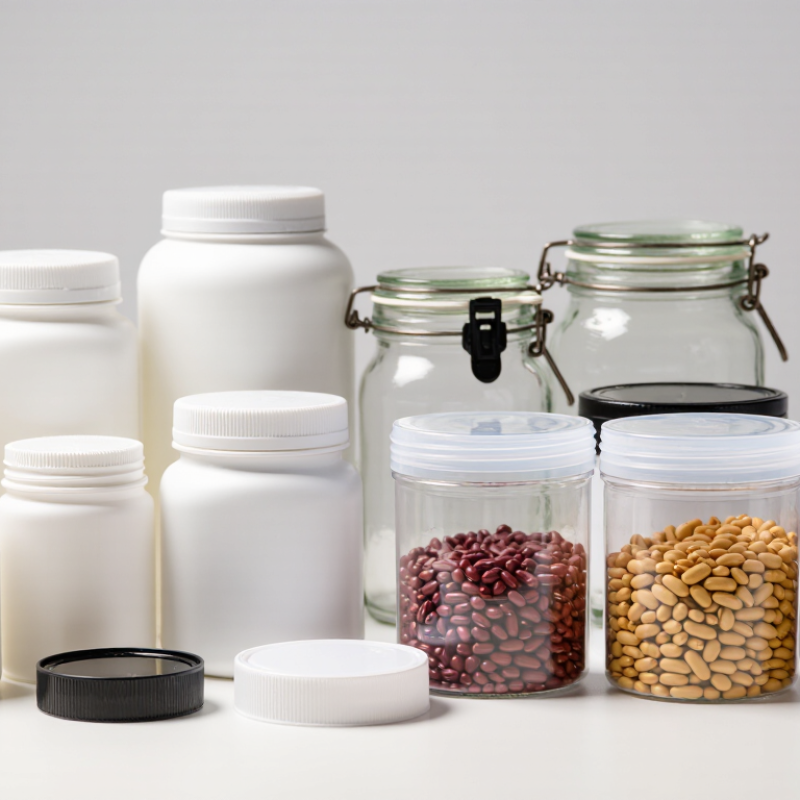
Plastic jars in 2026 commonly use PET, HDPE, or polypropylene, each suited to different needs. PET is clear, so shoppers can see products such as creams or dry goods inside. HDPE is opaque and sturdy, making it useful when light protection or a firmer feel matters. Polypropylene is often chosen for its flexibility and better heat tolerance, though the jar’s own care instructions should guide use. Materials vary. Check the packaging details.
Lid designs matter just as much. Screw caps provide a familiar, secure closure for everyday storage. Flip-top lids make frequent access easier, while snap-on lids can suit lightweight products. Liners may help reduce leaks or preserve freshness, but fit and product compatibility still matter. A lid that feels tight is not automatically leakproof.
Tips: Match the lid opening to how the jar will be used. For powders, a wider mouth can make filling and scooping simpler. For lotions, check whether the opening works with the product’s thickness. Store a sample upright, then on its side, before choosing a jar for repeated use. It is a simple test, but not a substitute for supplier specifications. Look for clear material and care information, especially if the jar will hold food or be exposed to warmth. One detail is easy to overlook: labels, colors, and surface finishes can affect how clearly the contents remain visible.
What Features Distinguish the Top Plastic Jar Types
Plastic jars differ most in visibility, opening size, wall strength, and closure design. Clear PET jars make fill levels and contents easy to inspect, which helps with beads, bath salts, or dry pantry goods. But clarity is not always useful: light-sensitive contents may need an opaque container. HDPE jars are typically opaque and feel sturdier, though the contents stay hidden. Looks can mislead.
Wide-mouth jars make scooping easier, especially when fingers or a small spatula need room. Straight-sided jars are easier to label and pack closely on shelves. Narrow-neck jars suit pourable contents, but thick creams can cling inside. Easy to overlook. Match the opening to the way people will use the product, not just its appearance.
Lids matter as much as jar shape. Continuous-thread caps are common and simple to open; liners can help improve the seal, depending on the contents and fit. Flip-top or dispensing closures offer quicker access, but may be less suitable for products that need a tight seal. Check material compatibility, closure fit, and supplier guidance before choosing a jar for repeated storage. A sample filled and stored under expected conditions can reveal leaks or handling problems. It is a small test, but skipping it is an easy mistake.
How to Match a Jar to Its Intended Use
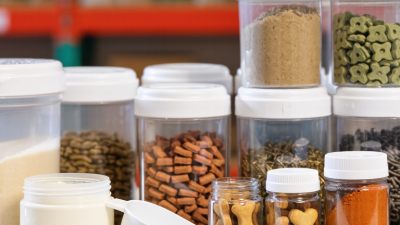
Choosing a plastic jar starts with its contents, not its shape. For dry goods such as bath salts, beads, or pantry staples, a wide mouth makes filling and scooping easier. A screw lid helps limit spills, but it does not guarantee an airtight seal. Check the closure fit and any product-specific storage guidance.
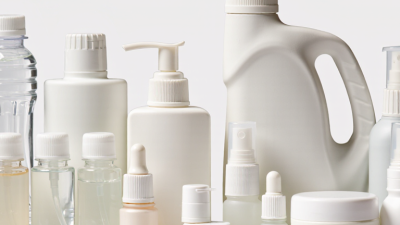
For lotions, powders, and other personal-care products, consider how often the jar will be opened. A smooth rim is easier to wipe clean, while a liner can help reduce leaks during storage. Match the plastic to the formula and its temperature range. PET offers clear visibility; polypropylene can suit some products that need more temperature tolerance. Confirm that the material is rated for the intended contents. Looks can mislead.
For travel kits or workshop supplies, compare lid security, jar size, and wall thickness. A compact jar may fit neatly in a bag, yet a shallow lid can loosen under pressure. Test one filled jar before choosing a large quantity. Turn it upside down over a sink and check the threads after repeated opening. That small test is easy to forget. It can reveal a poor match before contents are wasted.
What Are the Top Plastic Jars With Lids in 2026?
How to Match a Jar to Its Intended Use
Typical density ranges for common jar plastics. Density is one material property to consider; always check the jar’s food-contact suitability, closure compatibility, and temperature limits for your intended use.
Use guide: PET is commonly used for clear packaging; HDPE for sturdy, often opaque containers; and PP for containers where greater heat tolerance may be useful. LDPE is more flexible, while PS is often chosen for rigid applications. Confirm that the specific jar and lid meet the requirements of your product.
How to Compare Safety, Durability, and Sustainability
When comparing plastic jars with lids, start with the intended use.
For food, look for clear labeling that confirms the jar is suitable for food contact. Check the stated temperature range before adding warm contents or using a dishwasher. A recycling symbol alone does not confirm how a container should be used. Check the base. If the label is missing or vague, choose a jar with clearer instructions.
Durability depends on more than wall thickness.
Press the sides gently: a jar that flexes too much may dent under stacked storage, while a brittle one can crack after a short drop. Inspect the rim and lid threads; small chips can weaken the fit. A snug lid helps limit spills, but it may not create an airtight seal. Test it with dry contents over a sink before trusting it with liquids. Even sturdy plastic can scratch, and deep scratches are hard to clean well.
Sustainability also takes a closer look.
A reusable jar can reduce single-use packaging if it lasts through repeated washing and refilling. Choose a size you will actually use, rather than a large set that sits in a cupboard. Jars made from one type of plastic may be easier to sort, but local recycling rules vary. Small details matter. Labels, colored lids, and mixed materials can affect what a local program accepts. I would not assume a jar is recyclable just because it carries a familiar symbol; check local guidance and keep the container clean.