Choosing a glass bottle manufacturer is not just a price comparison. For global buyers, the right partner must deliver consistent dimensions, reliable production capacity, and packaging that survives long-distance shipping. A bottle that looks elegant in a catalog may arrive with chipped rims, uneven color, or closures that do not fit. Small details matter.
Scott DeFife, president of the Glass Packaging Institute, has highlighted a defining advantage of the material: “Glass is 100% recyclable and can be recycled endlessly without loss in quality or purity.” That principle is useful, but it is not the whole buying decision. Buyers should also review factory experience, quality-control procedures, mold options, minimum order quantities, and sample lead times. Ask how suppliers check wall thickness and inspect each production run. Request clear specifications, not just attractive product photos.
There is no universal best manufacturer. A beverage brand may need fast, repeatable production, while a cosmetics company may value custom shapes and precise decoration. Freight planning matters, too; heavier bottles need thoughtful pallet design and protective packing. Verify claims with samples, factory documentation, and direct questions. Even then, a sample cannot reveal every issue at full scale. That uncertainty deserves attention. A practical shortlist should compare proven capability, communication, and total delivered cost—not promises alone.
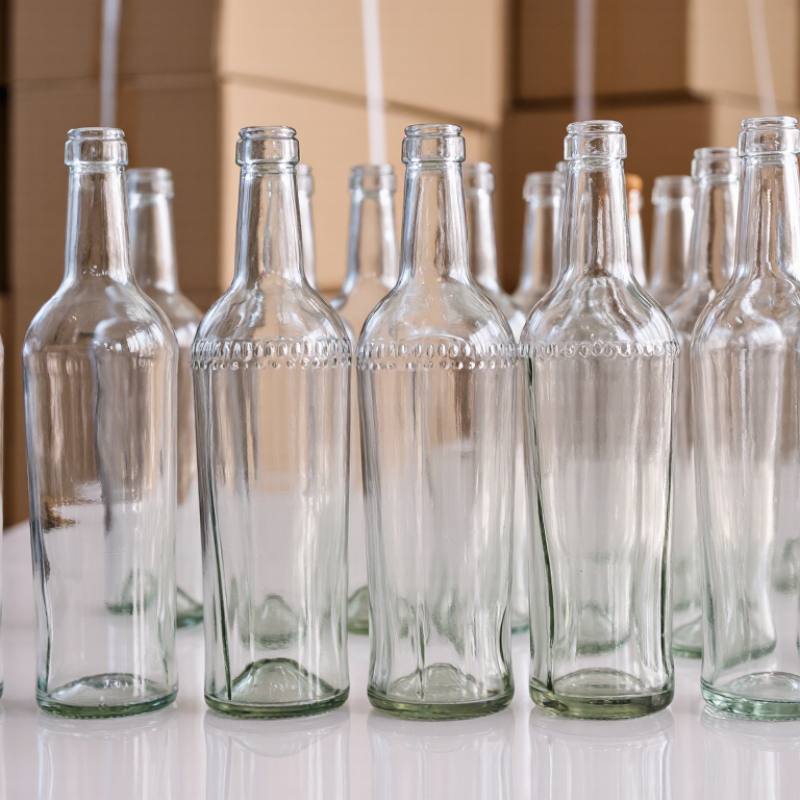
Global glass bottle manufacturing covers raw-material preparation, melting, forming, annealing, inspection, and shipment. Producers serve food, beverage, personal-care, and pharmaceutical packaging markets, with products ranging from small jars to heavy, molded bottles. Each segment has different requirements for capacity, color, neck finish, and surface quality.
The market includes high-volume manufacturers, regional specialists, and smaller custom producers. Large plants can supply consistent runs, while specialized facilities may offer more flexibility in shape or decoration. Energy costs, recycled-glass availability, mold investment, and transport distances all affect pricing. A low unit price can be misleading when freight or production minimums are high.
Tips: Ask for samples and confirm dimensions, capacity, closure fit, and acceptable defect limits. Request realistic lead times, too. A sample may look right but behave differently on a filling line.
Market conditions vary by region and season, so supplier claims need practical verification. Compare specifications, testing records, and delivery performance—not just catalog images. Glass is recyclable, but recycled content and color consistency depend on local collection and sorting systems. There is no perfect sourcing shortcut; even careful checks can miss issues that appear only during a full production run.
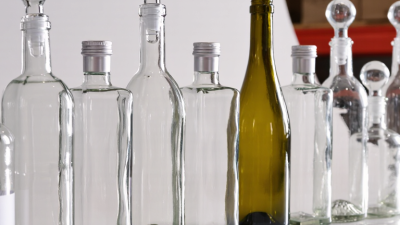
Glass bottle design starts with the product, filling line, and shipping route. Designers consider liquid properties, target volume, neck finish, and closure before shaping a bottle. These choices affect more than appearance. A narrow shoulder can slow filling, while a heavy base adds weight and freight cost. Engineers turn sketches into models and check wall thickness, stress points, and mold release. Small details matter.
Tips: Share a filled sample, closure dimensions, and filling-line speed early. Ask for a pilot run before approving a large order. Check bottles after cooling, not only under bright studio lights.
In production, glass is melted, formed in molds, and gradually cooled in an annealing lehr to reduce internal stress. Inspectors check dimensions, capacity, surface defects, and the finish around the opening. A design may look perfect on screen yet prove awkward to grip or difficult to pack. That gap deserves attention. Revise prototypes when handling or line tests reveal problems, even if the change seems minor.
Glass bottle manufacturers often develop strengths around their local industries, energy costs, and transport networks. In East Asia, large production clusters can support high-volume orders and a broad range of standard shapes. Buyers should still verify mold availability, glass color consistency, and the supplier’s minimum order quantity. A low unit price means little if breakage rises during shipping.
European manufacturers are often equipped for detailed finishes, specialty colors, and precise dimensional control. These capabilities can suit premium food, beverage, and personal-care packaging, though custom development may require longer lead times. North American producers can offer shorter domestic delivery routes and easier coordination for nearby buyers. That matters. Freight distance affects both cost and packaging damage.
Regional strengths are not guarantees. In parts of South America, the Middle East, and Africa, local capacity and product ranges vary considerably by country. I would request samples and a written specification before comparing suppliers. Check bottle weight, neck finish, capacity tolerance, pallet layout, and inspection records. Ask how the factory handles defects. A sample may look perfect, but production runs can differ; that is an inconvenient detail worth testing early.
Population by world region, 2024 estimates (billions)
Population provides a demand-side reference when evaluating regional glass bottle suppliers: larger consumer markets can support local production and shorter delivery routes. It is not a measure of factory capacity, bottle output, or market share, so buyers should verify those details directly with suppliers.
Source: United Nations, World Population Prospects 2024; regional population estimates rounded to the nearest million.
Global buyers should compare glass bottle suppliers against the same product brief. Record capacity, dimensions, neck finish, color, and decoration requirements. Small differences matter. A closure that fits one sample may not fit another production run. Request technical drawings and samples, then check bottle weight, finish quality, and dimensional consistency. For food or beverage packaging, ask what relevant material and quality documents the supplier can provide. Verify that those documents match the product and intended market.
Production capability deserves as much attention as price. Ask about minimum order quantities, tooling costs, typical lead times, and how capacity changes during busy periods. Request details on inspection steps and how defects are handled. A comparison sheet helps, but it can make suppliers seem more interchangeable than they are. It may also miss practical issues, such as how bottles are packed to reduce chips in transit. Discuss freight planning and protective packaging before approving an order. A supplier’s clear, specific answers are useful evidence; vague assurances are not. No checklist catches everything, so buyers should test samples against their actual filling line and review assumptions with their technical team.
| Comparison Dimension | Common Product or Capability Options | What Buyers Should Compare | Evidence to Request |
|---|---|---|---|
| Glass type | Type I borosilicate glass; Type II surface-treated soda-lime glass; Type III soda-lime glass. | Match the glass’s chemical resistance to the product, filling process, and applicable market requirements. These types are used in pharmaceutical-container classification. | Glass-type declaration, hydrolytic-resistance test results, and applicable pharmacopoeial compliance documents. |
| Container use | Food and beverage bottles; pharmaceutical and healthcare containers; cosmetic and personal-care bottles; household and specialty packaging. | Confirm suitability for the contents, filling temperature, storage conditions, closure system, and intended distribution environment. | Product specifications, compatibility or migration documentation where applicable, and samples tested with the intended contents and closure. |
| Color and light protection | Clear, amber, green, and other colored glass, depending on the manufacturer’s available materials and production setup. | Choose color based on product appearance and light sensitivity. Colored glass can reduce exposure to some wavelengths, but the degree of protection depends on the glass color and wall thickness. | Color specification, approved sample, and light-transmission data when product protection depends on it. |
| Forming processes | Common container-forming methods include blow-and-blow and press-and-blow processes. | Compare which processes and container designs the supplier can support, including neck finish, body shape, weight targets, and production feasibility. | Manufacturing capability statement, technical drawings, mold details, and samples from the proposed production process. |
| Dimensions and closure fit | Different bottle heights, body diameters, capacities, neck finishes, and closure interfaces. | Verify critical dimensions and closure compatibility rather than relying on nominal capacity alone. Tolerances should be agreed in the product specification. | Dimensioned drawings, agreed tolerance limits, neck-finish details, and closure-fit or line-trial results. |
| Quality management | Quality systems may be assessed against standards such as ISO 9001. Pharmaceutical primary-packaging operations may also be assessed against ISO 15378 requirements. | Check the certificate’s scope, issuing body, validity, manufacturing site, and relevance to the product being purchased. Certification does not replace product-specific validation. | Current certificates, audit information where available, inspection plans, defect criteria, and batch traceability procedures. |
| Food-contact compliance | Requirements depend on the destination market and intended use. In the EU, food-contact materials are subject to Regulation (EC) No 1935/2004 and related applicable measures. | Confirm that the supplier’s declarations and supporting documents cover the intended food, contact conditions, and destination market. | Food-contact declaration or equivalent compliance documentation, supporting test reports where required, and material traceability records. |
| Decoration and finishing | Possible options include labels, screen printing, coating, and frosting, subject to the supplier’s equipment and process capabilities. | Compare artwork limits, color matching, abrasion resistance, decoration durability, and whether finishing is performed in-house or by a qualified partner. | Printed or finished samples, approved artwork proofs, process specifications, and durability-test results where relevant. |
| Production planning and supply | Lead times, minimum order quantities, mold availability, and production schedules vary by product, plant, and order terms. | Compare confirmed capacity and delivery commitments for the specific bottle design and forecast. Do not assume that a general capability statement guarantees available capacity. | Written quotation, production and shipping schedule, minimum-order terms, mold ownership terms, and contingency plan. |
| Packaging and transport | Bottles may be supplied in cartons, on pallets, or in other agreed protective packaging configurations. | Assess breakage protection, pallet stability, container loading, labeling, and packaging suitability for the full shipping route. | Packaging specification, pallet pattern, shipment photos or trial results, and agreed breakage and damage procedures. |
Buyer note: Capabilities, certifications, specifications, and commercial terms vary by supplier and production site. Verify all claims against current documents, approved samples, and a written purchase specification.
Sourcing glass bottles across international markets takes more than comparing unit prices. Buyers should define capacity, neck finish, glass color, and target weight before requesting quotations. A small difference in neck dimensions can affect closures and filling equipment. Ask suppliers for technical drawings, material specifications, and samples from the intended production process. Test real samples.
Quality checks should reflect how bottles will be used. Inspect for chips, uneven seams, bubbles, and inconsistent dimensions. For large orders, agree on acceptable tolerances and how inspections will be recorded. Photos help, but they cannot replace physical checks. This is easy to underestimate.
Shipping can change the economics quickly. Glass is heavy and fragile, so compare packaging methods, pallet layouts, container loading, and estimated breakage rates. Confirm lead times for both production and transport, and clarify who handles export documents and delivery arrangements. Requirements vary by market, so verify current packaging and product rules with qualified local professionals. Written answers are safer than assumptions.
Communication matters when time zones, technical terms, or languages differ. Keep specifications in one controlled document and record any approved changes. Request a pilot order when practical; it can expose fit or packing problems before volume rises. Forecasts are imperfect, and buyers sometimes overestimate demand. That mistake can leave costly stock sitting in a warehouse.