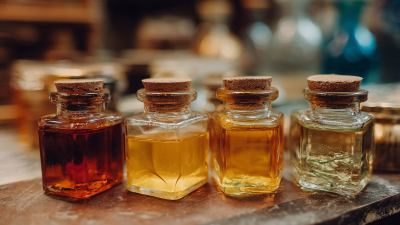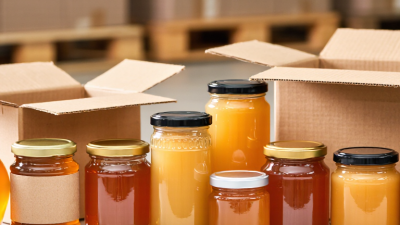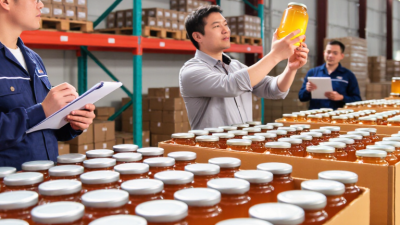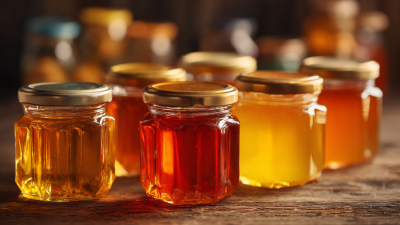
Buying honey jars in bulk can lower unit costs, but the cheapest case is not always the best fit. A jar that looks sturdy online may arrive with a narrow neck, an awkward lid, or glass too heavy for your shelves. Before comparing prices, estimate your weekly sales, storage space, and typical serving size. Then check capacity, glass thickness, lid compatibility, case quantity, and delivery terms. Small details matter. A lid that seals poorly can leave sticky rings around every jar.
For this guide, fictional packaging adviser Maya Chen offers a practical reminder: “A good bulk order fits the product, the packing line, and the shelf—not just the budget.” Treat that as a checklist, not a sourced quotation. The tips ahead explain how to confirm specifications, request samples, compare suppliers, and calculate the full landed cost. They also cover breakage allowances, labeling space, and reorder timing. For example, test a sample beside your filling equipment and shelf labels before committing to several cases. One overlooked detail can slow packing for weeks. Buying honey jars in bulk works best when you balance price with dependable quality and day-to-day handling. A little caution pays.
Before requesting bulk quotes, decide how customers will use the jars. A small jar may suit tasting sets, while regular household buyers often prefer larger sizes. Consider where the honey will be sold, how it will be displayed, and whether customers need an easy-to-hold shape. Measure your shelf space, too. It is easy to overlook.
Write down the capacity, jar height, diameter, and opening size you need. A wide mouth can make filling thick honey easier, but the jar must still work with your filling equipment. Specify the neck finish and closure type together; a lid that looks right may not seal correctly. Don’t guess. Order samples and fill a few jars before committing to a large quantity. Check for drips, awkward pouring, and labels that wrinkle around curved glass.
Material matters. Glass offers a clear view of the honey, while food-grade plastic may be lighter to ship and handle. Ask for documentation confirming the packaging is suitable for food contact in your sales region. Also consider case dimensions, protective dividers, and storage conditions. A low unit price can lose its appeal if jars arrive chipped or cartons take up more room than expected. One detail I would revisit is the jar weight: heavier glass can feel sturdy, but it may raise freight costs.
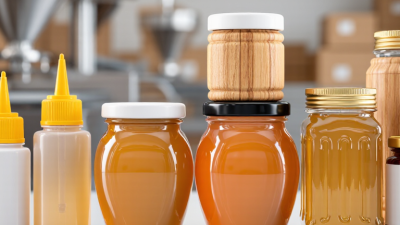
When buying honey jars in bulk, compare the complete package, not just the unit price. Clear glass displays honey’s amber color and resists staining, but it weighs more and can break in transit. FEVE reported an 80.1% glass-packaging recycling rate across Europe in 2020; local collection rates may differ. Ask suppliers for verified recycled-content figures and food-contact documentation.
Small details matter.
The Glass Packaging Institute notes that increasing recycled glass, or cullet, by 10% can reduce furnace energy use by roughly 2–3%. That is useful context, but it does not make glass lightweight. Compare glass with food-grade plastic using filled-case weight and shipping tests.
Straight-sided jars often pack neatly, while wide mouths make filling and scooping easier, especially if honey crystallizes. Choose capacity around real customer use: oversized jars can be awkward to handle. For closures, check thread fit, liner compatibility, and tamper-evident options. Run a pilot. Fill sample jars with honey, then store and transport them; water alone may not reveal sticky leaks. I would recheck the fit after temperature changes, since a closure that feels secure by hand can still loosen in transit.
When buying honey jars in bulk, verify the supplier before comparing prices. Request traceable lot numbers, harvest origin, packing dates, and records showing how jars are sealed and stored. The FDA’s 2021 targeted sampling of imported honey found 14 of 144 samples adulterated with undeclared sweeteners. That result applies only to those sampled products, not to every supplier. Still, it makes independent testing and clear sourcing worth checking. Ask whether test results identify the lot you are purchasing, rather than a generic product sample.
Food-safety paperwork should be current and specific. Review the supplier’s hazard-control procedures, sanitation records, and product specifications; confirm these match the jar size and honey type in your order. USDA’s National Honey Report tracks prices by floral source and container size, a useful reminder to compare equivalent products when reviewing quotes. A certificate of analysis can help, but it does not replace checking traceability or handling practices. Paperwork matters. I would also inspect a sample delivery: look for intact seals, clean rims, and consistent fill levels. A tidy spreadsheet is reassuring, but it cannot show how a shipment was handled on a hot loading dock.
When comparing bulk honey jars, calculate landed cost, not just the quoted price. Add jar, lid, freight, handling, and expected breakage costs, then divide by usable jars received. For example, a 1,000-jar order costing $420, plus $180 freight and $20 handling, works out to $0.62 per jar before losses. Small charges matter. Request carton dimensions and gross weight; glass is heavy, and oversized cartons may affect freight pricing. The American Transportation Research Institute reported average U.S. trucking costs of $2.251 per mile in 2022, up 21.3% from 2021. That figure is not a shipping quote, but it shows why freight estimates can change. Compare delivered quotes, not unit prices alone.
Check storage capacity before ordering. A pallet of jars needs a level, dry area, enough clearance for safe handling, and protection from knocks. Keep cartons off damp floors and away from direct sunlight; record stock by delivery date so older packaging is used first. Calculate space from the supplier’s pallet dimensions, then leave room to inspect and move cartons. USDA’s 2023 Honey report recorded 139 million pounds of U.S. honey production, down 11% from 2022; supply conditions can shift, but that does not automatically make a larger jar order worthwhile. These estimates are imperfect. Leave a modest reserve for breakage or demand spikes, and recheck the math when freight or storage costs change.
Illustrative planning example: Prices below assume empty glass jars with lids, U.S. mainland delivery, and 12 jars per case. Actual supplier prices, freight charges, packaging, and carton dimensions vary. Taxes and any special handling fees are excluded.
| Jar Capacity | Order Quantity | Example Price per Jar | Product Subtotal | Estimated Shipping | Delivered Total | Delivered Cost per Jar | Approx. Storage Floor Area* |
|---|---|---|---|---|---|---|---|
| 8 oz | 240 jars (20 cases) | $0.55 | $132.00 | $36.00 | $168.00 | $0.70 | About 5 sq ft |
| 12 oz | 480 jars (40 cases) | $0.72 | $345.60 | $48.00 | $393.60 | $0.82 | About 10 sq ft |
| 16 oz | 960 jars (80 cases) | $0.88 | $844.80 | $72.00 | $916.80 | $0.955 | About 20 sq ft |
| 32 oz | 1,920 jars (160 cases) | $1.35 | $2,592.00 | $120.00 | $2,712.00 | $1.4125 | About 40 sq ft |
*Storage estimates assume roughly 1 sq ft of floor footprint per case and stacking up to four cases high. They are for initial planning only; check actual carton dimensions, weight limits, and safe stacking instructions before ordering.
| Tip | What to Check | Example Calculation or Action |
|---|---|---|
| 1. Compare delivered cost, not just jar price | Include product cost and shipping when comparing quotes. | Delivered cost per jar = (product subtotal + shipping) ÷ jar quantity. For the 480-jar example: ($345.60 + $48.00) ÷ 480 = $0.82 per jar. |
| 2. Confirm case packs and minimum order quantities | Check how many jars are in each case and whether lids are included. | At 12 jars per case, 480 jars require 40 complete cases. Ask whether lids, seals, or other closures are included in the quoted price. |
| 3. Get a shipping quote for your exact delivery address | Freight can change with shipment weight, dimensions, destination, and delivery requirements. | Request a written quote that identifies any residential, liftgate, appointment, or limited-access fees. Compare the quoted freight with the example shipping estimate before placing the order. |
| 4. Compare different order sizes | A lower per-jar price may require more cash and storage space. | Compare total delivered cost and cost per jar at several quantities. For example, doubling an order from 480 to 960 jars only makes sense if the unit savings justify the additional purchase and storage needs. |
| 5. Measure storage before buying | Plan for carton footprints, safe stacking, access, and the weight of glass. | Measure the actual cartons and leave room for safe movement. Keep jars in their original protective packaging in a clean, dry area, and follow the carton’s stacking guidance. |
| 6. Check packaging and breakage terms | Ask how jars are protected in transit and how shortages or damage are handled. | Before ordering, confirm the inspection and claim process, any reporting deadline, and whether replacement or credit is available for damaged or missing jars. |
| 7. Match the order to realistic usage | Balance volume discounts against cash tied up in inventory and the risk of changing packaging needs. | Estimate jars needed as monthly usage × months of supply, then add a modest reserve if appropriate. For example, 200 jars per month for three months equals 600 jars before any reserve. |
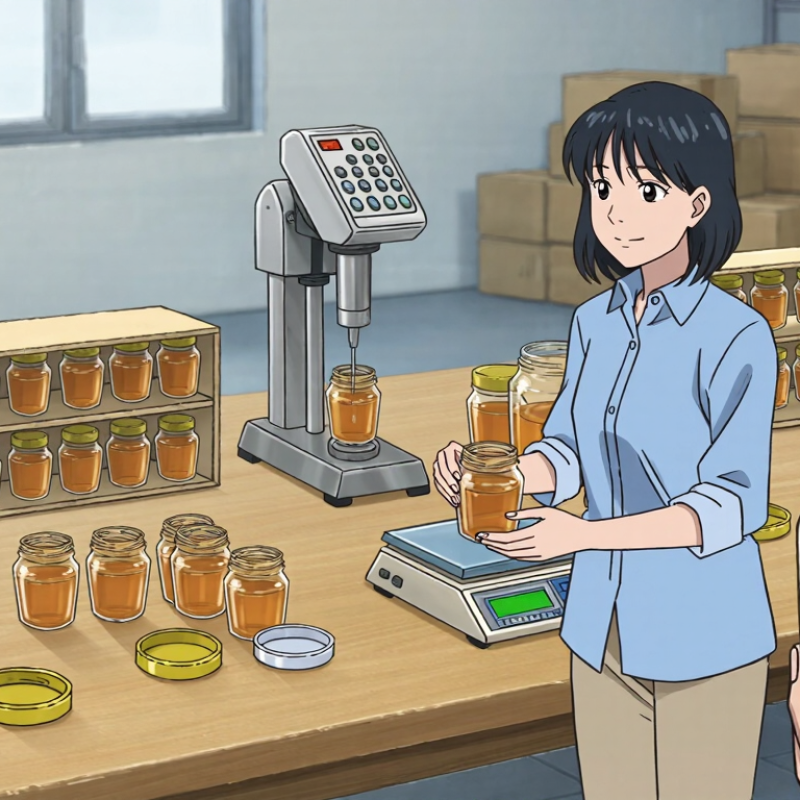
When buying honey jars in bulk, review physical samples before approving a large order. Photos can hide thick rims, uneven glass, or lids that sit slightly crooked. Check the jar’s capacity with the fill level you actually plan to use, leaving room for safe closure and handling.
Try filling several samples with honey, then close and invert them over a clean tray. Look for leaks, sticky threads around the neck, and lids that loosen after repeated opening. If jars will be labeled, apply a test label to a dry sample and another to one with a little condensation. Small details matter. Note the material, dimensions, closure type, and any sample differences you notice. It is easy to focus too much on unit price; a cheaper jar may not fit your filling equipment or storage cartons.
Before placing the order, get the specifications and terms in writing. Confirm quantity, unit price, shipping cost, production lead time, packaging method, and what happens if jars arrive broken or differ from the approved sample. Ask whether the quoted price includes lids, and whether substitutions require your approval. Keep notes. A supplier’s estimate may not cover every charge, so clarify unclear wording before paying a deposit. Save a dated sample or clear photos as a reference for inspection when the shipment arrives.