Choosing the best glass jars with lids from China requires more than comparing photographs and unit prices. The right jar must match its product, filling process, closure, and distribution conditions. Grand View Research’s 2024 glass packaging market analysis identifies food, beverage, and cosmetic applications as major demand sectors. These categories require different designs. A jam producer may need a wide-mouth soda-lime jar, while a laboratory or premium skincare brand may prefer heat-resistant borosilicate glass.
The details matter. Check the glass type, wall thickness, neck finish, lid lining, and sealing method. Ask suppliers for food-contact declarations, migration test results, and batch traceability. For shipping, request thermal-shock testing and carton-drop records. A practical sample should survive repeated opening, a warm filling cycle, and several days upside down. It should not leak.
Small details matter most.
The European Container Glass Federation and the Glass Packaging Institute both emphasize recyclability, material safety, and quality control in glass packaging. Their guidance supports a clear sourcing principle: performance claims should be supported by test evidence. Supplier audits, factory videos, and independent inspections add useful confidence, but none replaces physical samples. No supplier is perfect. Even an impressive catalog may hide uneven rims or loose lids. That is why this guide compares Chinese manufacturers through measurable criteria, including closure compatibility, customization capability, compliance documentation, production consistency, and total landed cost. Pricing remains important, but a cheaper jar can become expensive after breakage, rejected batches, or unsuitable seals.
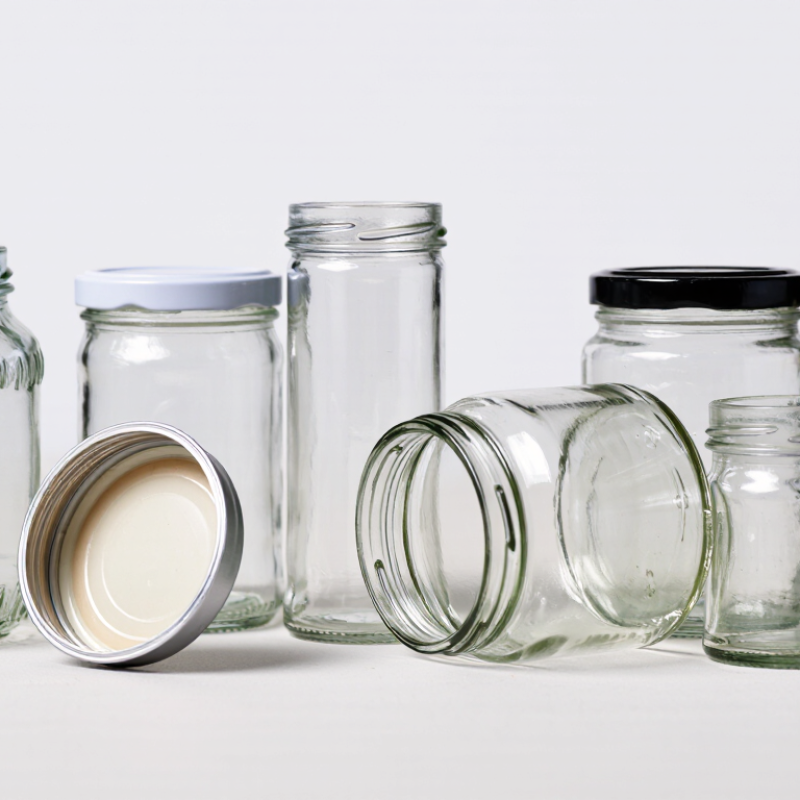
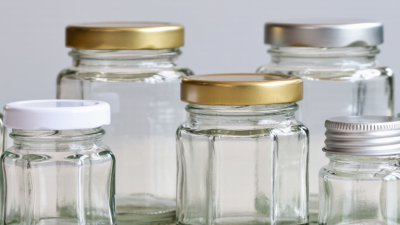
China-made glass jars with lids come in several practical types. Clear soda-lime jars suit jams, spices, sauces, and dry foods because they show the contents clearly. Amber glass offers stronger light protection for oils, cosmetics, and sensitive ingredients. For heat resistance, borosilicate glass is a better choice, especially when jars face temperature changes. According to Grand View Research, the global glass packaging market was valued at about USD 74.8 billion in 2023, showing strong demand for reusable packaging formats.
Lid design changes daily performance. Screw-top jars are simple and affordable, while clamp-top jars provide a firm seal and a traditional appearance. Silicone-gasket lids help reduce leakage, but the gasket must match the jar opening precisely. Bamboo lids look warm and natural, though they need careful moisture control. Metal lids with food-grade coatings work well for pantry storage. Small 100–250 ml jars fit spices and samples; 500–1,000 ml jars suit meal preparation and bulk storage.
I would check the glass thickness, neck finish, lid torque, and closure test before ordering. Ask for migration testing when jars contact food or personal-care products. ISO 9001 certification can support process reliability, but it does not replace product testing. The UN Environment Programme reports that packaging remains a major source of global plastic waste, strengthening interest in reusable glass. Still, glass is heavy. That trade-off matters. A careful supplier should provide samples, inspection records, and clear tolerance data rather than relying on attractive photos.
What Are the Best Glass Jars With Lids from China?
When choosing glass jars from China, start with the intended use, not appearance. A practical jar should have uniform walls, a stable base, and a smooth mouth. These details reduce tipping, cracking, and uneven sealing during daily handling. I have learned that heavier glass is not automatically safer. Poor annealing can still create weak points.
Closure compatibility matters just as much. Check the neck finish, lid material, gasket type, thread accuracy, and sealing torque. For food contact, request migration testing and documents matching the destination market. U.S. FDA 21 CFR requirements and EU Regulation 1935/2004 are useful compliance references. A lid may look tight but still allow air or moisture inside. Test filled samples after transport, refrigeration, and repeated opening. Small leaks often appear only after several days.
Sustainability also deserves careful measurement. Grand View Research valued the global glass packaging market above US$75 billion in 2023, showing strong demand for dependable packaging. The U.S. Environmental Protection Agency reported that glass container recycling remained near one-third of the waste stream in its recent data. Recycled content, jar weight, and transport distance therefore affect the real environmental result. Ask Chinese suppliers for wall-thickness tolerances, drop-test results, closure samples, and batch inspection records. These documents are more useful than polished catalog photos. One detail is easy to miss: the jar and lid must be tested together, not separately.
| Jar Type | Typical Capacity | Common Glass Material | Typical Dimensions | Lid and Closure Options | Best Uses | Key Advantages | Important Checks Before Ordering |
|---|---|---|---|---|---|---|---|
| Straight-Sided Storage Jar | 250–1,500 ml | Soda-lime glass; borosilicate glass may be specified for higher thermal resistance | Approx. 70–105 mm diameter; 100–260 mm height | Screw-top metal lid, plastic lid, or silicone-sealed lid | Dry food, grains, coffee, tea, spices, and pantry storage | Wide opening, easy filling, simple cleaning, and efficient shelf organization | Check internal neck diameter, lid compatibility, gasket material, and whether the glass is suitable for hot filling |
| Mason-Style Canning Jar | 250–2,000 ml | Heat-resistant soda-lime glass designed for preserving applications | Approx. 65–95 mm diameter; 120–300 mm height | Two-piece metal canning lid, one-piece screw lid, or reusable silicone-sealed lid | Jams, pickles, sauces, fruit preserves, and home canning | Suitable for many preserving formats and available with regular or wide-mouth openings | Confirm the intended canning process, lid seal design, thermal-shock limits, and applicable food-contact compliance documents |
| Weck-Style Clip-Top Jar | 200–2,000 ml | Thick soda-lime glass | Approx. 75–120 mm diameter; 90–280 mm height | Glass lid, rubber sealing ring, and stainless-steel or coated metal clips | Preserves, fermented foods, dry goods, and decorative food storage | Reusable closure components, attractive appearance, and a visible sealing ring | Check clip strength, gasket elasticity, lid-to-rim fit, replacement-part availability, and shipping protection |
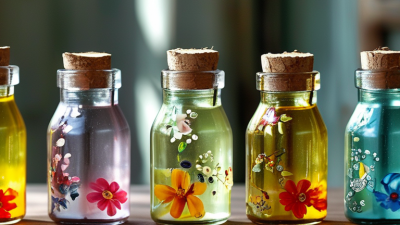
| Apothecary or Decorative Jar | 100–1,000 ml | Clear soda-lime glass; colored or frosted finishes may also be available | Approx. 55–115 mm diameter; 90–250 mm height | Glass stopper, cork stopper, wooden lid, or screw cap | Bathroom accessories, candles, crafts, confectionery, and gift packaging | Strong visual appeal, flexible decoration options, and suitable for retail presentation | Inspect stopper tolerance, finish consistency, rim smoothness, coating durability, and candle-use suitability if applicable |
| Clip-Top Fermentation Jar | 500–5,000 ml | Thick soda-lime glass; food-contact grade gasket required | Approx. 85–150 mm diameter; 150–360 mm height | Hinged glass lid, rubber gasket, and metal wire bail | Sauerkraut, kimchi, kombucha accessories, pickles, and other fermented foods | Reusable closure, large filling opening, and convenient access during preparation | Check gasket quality, pressure-management instructions, headspace requirements, and resistance to acidic foods |
| Small Spice or Sample Jar | 30–250 ml | Clear soda-lime glass | Approx. 30–65 mm diameter; 45–130 mm height | Screw cap, shaker lid, cork, or tamper-evident closure | Spices, herbs, samples, cosmetics, seasonings, and small-batch products | Low material usage, easy labeling, and convenient portion control | Verify fill volume, neck finish, dispensing-hole size, cap liner, and compatibility with oily or powdered contents |
| Amber Glass Jar | 50–1,000 ml | Amber soda-lime glass; borosilicate glass may be selected for specialized applications | Approx. 35–95 mm diameter; 60–240 mm height | Screw cap, dropper closure, child-resistant cap, or gasketed lid | Light-sensitive food ingredients, cosmetics, botanical products, and laboratory-style packaging | Amber glass reduces transmission of ultraviolet and some visible light compared with clear glass | Confirm light-protection performance, closure torque, liner compatibility, color consistency, and required product regulations |
| Borosilicate Glass Jar | 100–2,000 ml | Borosilicate glass with relatively low thermal expansion | Approx. 50–110 mm diameter; 80–300 mm height | Silicone-sealed lid, glass lid, screw cap, or clip-top closure | Hot food storage, kitchen use, laboratory-style products, and applications involving temperature changes | Better thermal-shock resistance than ordinary soda-lime glass when properly manufactured | Do not assume oven, freezer, microwave, or direct-flame suitability; request written temperature limits and test samples |
Note: Capacities and dimensions are typical market ranges rather than fixed specifications. Final performance depends on the glass formulation, wall thickness, closure design, gasket material, manufacturing tolerances, and the supplier’s validated test results.
What Are the Best Glass Jars With Lids from China?
Chinese glass jar options vary widely by use, size, glass type, and lid design. The best choice depends on the product inside. For dry pantry storage, wide-mouth jars with straight sides work well for rice, tea, coffee, and dried herbs. A silicone-sealed lid helps reduce moisture exposure. Clear glass also makes inventory easier. Small details matter.
For jams, sauces, and preserved foods, thicker soda-lime glass is often practical and cost-effective. Heat-resistant glass may be better for products filled while warm. However, not every jar suits sudden temperature changes. Ask suppliers for thermal shock data and food-contact documentation. For spices, compact jars with shaker inserts improve portion control. Bathroom storage may require smooth, easy-clean surfaces and rust-resistant lids.
In practical sourcing, I prefer reviewing physical samples before approving large orders. Request exact capacity, mouth diameter, wall thickness, lid material, gasket type, and closure torque. Check whether the lid fits evenly after repeated opening. Packaging deserves attention too, because chipped rims can appear after transport. One imperfect sample can reveal a production weakness. A jar may look excellent, yet feel awkward in daily use. Manufacturers with documented inspections and consistent batch records are usually more dependable. Still, specifications should be verified independently.
The best glass jars with lids from China are not chosen by appearance alone. A clear wall, flat base, and clean rim reveal forming consistency. Ask for dimensional records, not only product photos. ASTM C149 testing can assess thermal shock resistance in glass containers. ASTM D4169 can simulate distribution hazards, including vibration and compression. These tests matter when jars travel through humid ports and crowded warehouses. Look past the shine.
For food use, request batch-specific migration and heavy-metal reports from an ISO/IEC 17025-accredited laboratory. Check the glass, liner, gasket, coating, ink, and adhesive separately. The European Commission’s Regulation (EC) No 1935/2004 requires food-contact materials to avoid harmful migration under intended use. It does not make every imported jar safe automatically. The 2023 Circularity Gap Report measured global circularity at only 7.2%, so recycled-content claims need batch evidence. FEVE industry reporting places European glass-container recycling above 80%. Recyclability still cannot replace contamination control. Inspect samples for chips, black specks, odors, and uneven annealing. Real factories sometimes miss one defect.
Test it twice. Measure torque, vacuum retention, leakage, and opening force after hot-fill, cooling, and storage cycles. ASTM F88 methods can compare liner performance, but they cannot replace a complete closure study. ISO 2859-1 provides statistical sampling plans; agree on an AQL before production. Do not accept “food grade” as a complete specification. I would test samples myself, because paperwork can hide a weak liner or inconsistent thread. That extra step feels slow. It often prevents expensive surprises.
What Are the Best Glass Jars With Lids from China?
Where to Source Reliable Glass Jar Manufacturers in China
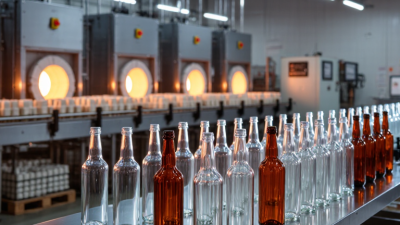
China remains a major sourcing base for glass jars, but factory selection needs evidence. Smithers’ glass packaging outlook forecasts global demand growth of roughly 3% annually through the late 2020s. That growth increases supplier choices, but also creates uneven quality. Look for manufacturers with verifiable production records, stable furnace capacity, and documented export experience.
Ask for an ISO 9001 certificate, recent audit report, and food-contact test results. The 2023 ISO Survey recorded more than 1.2 million ISO 9001 certificates worldwide. Certification helps, but it does not prove every batch is consistent. Request samples from normal production, not specially polished samples. Check rim smoothness, lid fit, glass thickness, scratches, and carton protection. Small details matter.
A dependable supplier should explain its raw materials, mold process, inspection points, and complaint procedure. Ask for dimensional tolerances in writing. For large orders, use an independent pre-shipment inspection. Test sealing after transport simulation, because a jar can pass factory checks and still fail after vibration. I once saw a visually excellent sample arrive with loose lids. The missing detail was liner compression. That mistake was avoidable.
Compare quotations on the same basis, including mold fees, packaging, testing, and delivery terms. Review payment milestones carefully. Visit the factory when possible, or arrange a live video inspection. A polished showroom is not enough. Production evidence is stronger.
This 100-point sourcing framework highlights the most important factors when evaluating glass jar manufacturers in China. Product safety documentation, closure compatibility, glass quality, and production consistency should receive the greatest attention before comparing price and minimum order quantity.