What Types of Glass Jars With Lids Are Best for Wholesale?
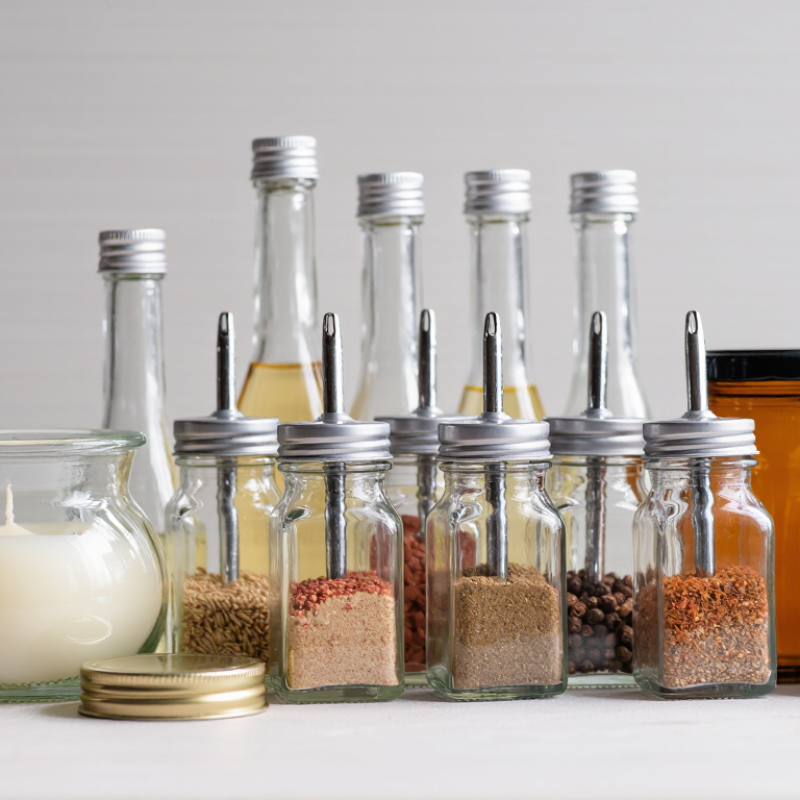
Wholesale jar buying starts with the product, not the catalog photo. A spice seller may need compact glass jars with lids that protect aroma and fit a shaker insert. A candle maker may prefer a wider opening, a heavier base, and a suitable closure. Details matter.
The best choice depends on what goes inside, how customers use it, and how cases travel. Clear glass suits many pantry goods and offers familiar shelf appeal. Amber glass can reduce light exposure for selected contents, though it limits visibility. Wide-mouth jars make filling and cleaning easier; narrow openings can help control pouring. Metal twist-off lids, lug caps, and plastic screw caps differ in sealing, cost, and appearance. They are not interchangeable.
For wholesale orders, compare capacity, mouth diameter, wall thickness, lid fit, case count, and protective packaging. Ask suppliers for dimensions, material details, samples, and written specifications. Test a filled sample through normal handling before placing a large order. Small checks can prevent expensive surprises. A jar may look sturdy and still arrive poorly packed.
This guide compares common jar styles and lid options by application, durability, presentation, and purchasing considerations. It also highlights easy-to-miss trade-offs, such as choosing a decorative closure that slows packing. There is no universal winner. The right glass jars with lids balance product protection, customer convenience, shelf appeal, and cost. The judgment call is not always obvious, so confirm suitability with your supplier and product team.
Glass Jar Types Commonly Available for Wholesale
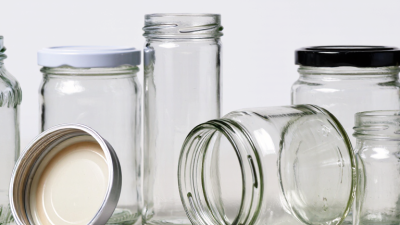
Wholesale glass jars commonly come in mason-style, straight-sided, round, and hexagonal shapes. Mason-style jars often have wide openings, making them easy to fill and clean. Straight-sided jars display contents clearly and fit neatly on shelves. They stack neatly. Hexagonal jars offer a distinctive look, though their corners can make labels harder to apply evenly. Small round jars work well for samples, spices, and travel-size products.
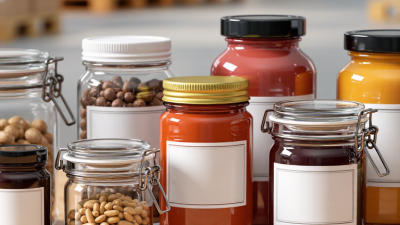
Lids vary by jar opening and intended use. Common options include metal twist-off lids and plastic screw caps. For wholesale orders, confirm that each lid matches the jar’s thread or finish, and ask about liners if a tighter seal is needed. Check samples before placing a large order. A lid that feels secure by hand may still loosen during shipping.
Tips: Test the jar with your actual product, then close and reopen it several times. Check the rim for chips and the lid for a consistent fit. Small details matter. Also consider carton dimensions and packing protection; damaged corners can turn a good-looking jar into a costly problem.
How Lid Materials and Seals Affect Jar Performance
For wholesale glass jars, a lid is more than a finishing touch. Its material and seal affect freshness, handling, and customer experience. Metal lids often suit dry goods and pantry storage. A compatible liner can help limit moisture and air exchange. Check the jar’s rim and closure fit, not just the lid diameter. Small details matter.
Plastic lids are lightweight and resist rust, but heat tolerance varies by material. They may work well for frequent opening, while a tight-fitting liner can reduce leaks. For liquids, test the filled jar upright and on its side. Not always. A closure that feels secure in a sample may loosen after repeated use or rough transit.
Seal performance depends on the whole package: jar finish, lid, liner, filling temperature, and storage conditions. For example, a jar of dry tea needs different protection from a jar holding a pourable dressing. Ask suppliers for material and liner specifications, then test representative samples under real handling conditions. I would not assume one seal works for every product. It is easy to overlook small variations between batches, so inspect closures during incoming quality checks and keep notes on fit, leakage, and opening force.
Matching Jar Shapes and Sizes to Product Categories
Matching Jar Shapes and Sizes to Product Categories
Choosing the right glass jar starts with the product, not the shelf. Wide-mouth jars suit thick creams, spreads, and bath salts because customers can reach inside easily. Straight-sided jars also display layered products clearly. For sauces, honey, or pourable pantry goods, a narrower opening can help control serving and reduce spills. Tall, slim jars use shelf space efficiently, though they may be less stable in transit. Check the filled jar’s weight and closure fit before placing a large wholesale order.
Small jars work well for samples, travel-size cosmetics, and specialty condiments. Medium jars often fit everyday products, while larger jars can serve bulk foods or household refills. Match capacity to realistic use: oversized packaging may leave contents looking sparse, and tiny openings can frustrate users. There is no perfect shape for every category. A few products may need a second round of testing.
Tips: Test samples with the actual product and lid. Check filling speed, hand access, and label space. Keep it simple. Measure shelf depth and carton dimensions, too; a jar that looks ideal on display may waste shipping space. Record any fit issues before confirming the order.
Comparing Glass Jars for Storage, Packaging, and Display
For wholesale buyers, the best glass jar depends on its job, not just its appearance. Straight-sided jars stack neatly and make labels easy to apply. Wide-mouth jars suit pantry storage because users can reach contents without tipping the container. For dry goods, choose a compatible lid and test the seal with the actual product. A lid that feels secure is not always airtight. Small details matter.
Tips: Request production samples before placing a large order. Fill them, close the lids, and check for leaks, odors, and chipped rims. Measure packed cartons too; small size differences can affect shelf space and freight costs.
For retail packaging, jars with smooth sides offer a clear label area and a tidy look. Short, broad jars can display colorful products well, while taller shapes use shelf height efficiently. Clear glass shows contents, but it also reveals dust, uneven filling, and fingerprints. Consider the unpacking and cleaning process, not only the shelf photo. Heavier glass may feel substantial, yet it can increase shipping weight. There is no perfect all-purpose shape, and this trade-off is easy to overlook. Compare lid fit, glass thickness, and carton protection across samples before settling on a wholesale specification.
Key Factors for Evaluating Wholesale Glass Jar Options
Wholesale evaluation should start with dimensions, usable capacity, and consistency across production runs. A jar listed as 500 ml may hold less once a shoulder or thick base is considered. Check the internal opening too; a narrow mouth can slow filling and make cleaning awkward. Compare several samples, not just one. Look for bubbles, uneven rims, and noticeable differences in glass weight. These details affect packing speed and how neatly jars sit on a shelf.
The lid must fit securely without excessive force. Test it on filled jars, then turn them gently and check for seepage. If the product needs a liner, confirm that it stays in place during repeated opening. Small details matter. Also ask how jars are packed for shipping: dividers, corner protection, and pallet stability can reduce breakage. Requesting a production sample is sensible, since a polished sample may not reflect every bulk shipment. It is easy to focus on the unit price and miss freight, storage space, or the cost of damaged stock. There is no perfect option; a heavier jar may feel more substantial but raise shipping costs. Compare the landed cost, lid performance, and batch consistency before choosing.
What Types of Glass Jars With Lids Are Best for Wholesale?
Common nominal jar capacities and their approximate US fluid-ounce to milliliter equivalents.
Capacity is converted from US fluid ounces (1 fl oz ≈ 29.5735 mL) and rounded to the nearest milliliter. Actual usable fill capacity and jar dimensions vary by design; confirm specifications and lid compatibility with suppliers before ordering wholesale.