Top 10 Benefits of Using Plastic Bottles with Caps?
The use of plastic bottles with caps has become ubiquitous in our daily lives. These bottles serve a variety of purposes, from storing beverages to organizing household items. Their convenience is unmatched, but there is more to them than meets the eye. Many people overlook the unique benefits that plastic bottles with caps provide.
One notable advantage is their ability to keep liquids safe and secure. The tight-fitting caps prevent spills, making them ideal for travel and outdoor activities. Furthermore, they help preserve the contents by reducing exposure to air and light. Different sizes allow for versatility, catering to both personal and professional needs.
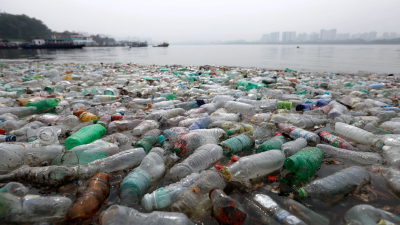
While these bottles are handy, reliance on them raises questions about sustainability. Efforts to recycle and reduce plastic waste should remain a priority. In recognizing these dual aspects, we can appreciate the practical benefits of plastic bottles with caps while also being mindful of our environmental impact.
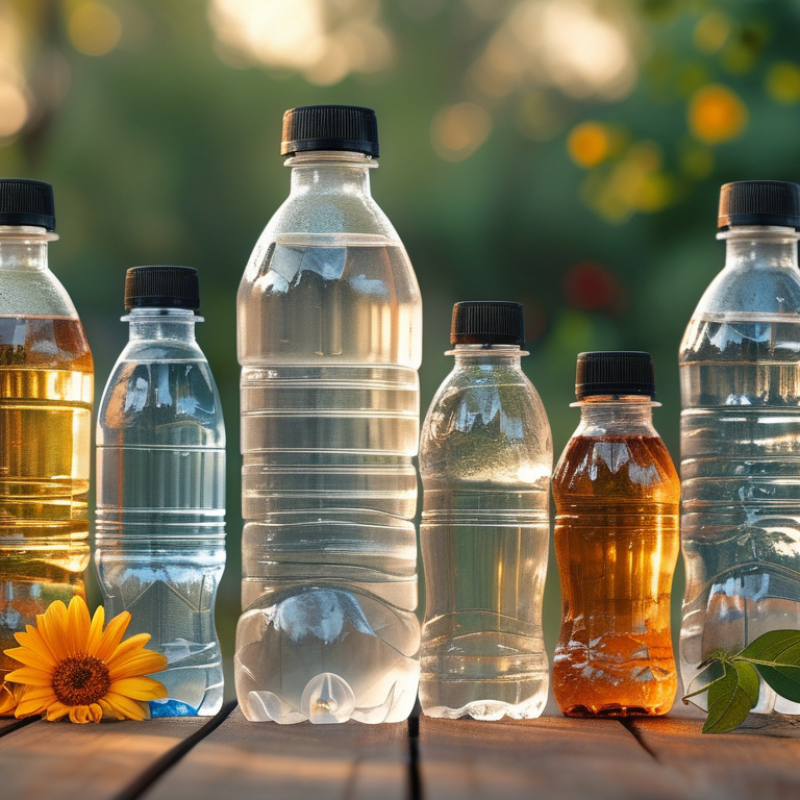
Advantages of Plastic Bottles with Caps for Everyday Use
Plastic bottles with caps offer significant advantages for everyday use. They are lightweight and portable, making them ideal for hydration on the go. Their tight-sealing caps help prevent spills, protecting your backpack or car interior from unwanted leaks. This feature is particularly useful during outdoor activities or travel.
Moreover, plastic bottles are durable and resistant to breakage. Unlike glass, they can withstand rough handling, which is great for active lifestyles. It's important, however, to consider the environmental impact. Single-use plastic bottles contribute to pollution. Opting for reusable plastic bottles can help mitigate this issue. Many people still prefer the convenience of disposables, showing a need for change in habits.
Ease of cleaning is another benefit. Most plastic bottles are dishwasher safe, simplifying the maintenance process. Users should also be mindful of wear and tear. Over time, caps can degrade, affecting their effectiveness. Regularly checking your bottle’s condition ensures optimal performance. This thoughtful approach to usage and maintenance can make a significant difference in daily hydration practices.
Top 10 Benefits of Using Plastic Bottles with Caps
| Benefit |
Description |
| Lightweight |
Plastic bottles are much lighter than glass or metal, making them easier to carry and transport. |
| Durability |
They are resistant to breaking or shattering, providing a safer option in various environments. |
| Versatility |
Plastic bottles can be used for a wide range of liquids from beverages to cleaning products. |
| Cost-Effectiveness |
They are typically cheaper to produce and purchase compared to glass or metal alternatives. |
| Safety |
Plastic does not shatter, reducing the injury risk in case of drop or impact. |
| Sealed Caps |
Caps prevent leakage and contamination, keeping the contents secure and safe. |
| Recyclability |
Many plastic bottles can be recycled, which helps reduce environmental impact. |
| Design Flexibility |
Plastic allows for varied shapes and sizes, catering to different branding needs. |
| Insulation |
Some plastic bottles offer good insulation properties, keeping liquids colder or hotter for longer. |
| Convenience |
Easily available in most retail stores, making them convenient for everyday use. |
Safety Features of Caps in Plastic Bottles
Caps on plastic bottles serve more than just a functional purpose; they enhance safety significantly. Many caps are designed to provide a secure seal that prevents spills. A tightly sealed bottle minimizes the risk of leaks, which can cause accidents, especially when bottles are stored in bags or car cups. This feature is essential for keeping both individuals and their surroundings safe from potential messes.
Moreover, safety caps often include features that prevent accidental openings. Child-resistant caps are one noteworthy example. They require a specific sequence of motions to open, reducing the risk of children accessing hazardous contents. This is a critical factor for many households. The materials used in these caps can also provide an additional layer of safety, ensuring that no harmful chemicals leach into the beverage.
However, not every cap is foolproof. Some designs may become loose over time, leading to unexpected leaks. Users need to periodically check their caps for integrity. Additionally, while safety features are valuable, they can sometimes pose challenges for individuals with limited dexterity. Striking a balance between safety and convenience is crucial in bottle cap design. It’s an ongoing conversation in product development that warrants reflection.
Top 10 Benefits of Using Plastic Bottles with Caps
Environmental Impact of Reusable Plastic Bottles
The environmental impact of reusable plastic bottles cannot be overlooked. According to a 2021 report by the Ellen MacArthur Foundation, a reusable bottle can reduce plastic waste by up to 83% compared to single-use options. This statistic highlights the potential for significant reductions in plastic pollution. By shifting to reusable bottles, consumers can take a substantial step toward sustainability.
However, the production and disposal of these bottles still pose challenges. A study published in the Journal of Cleaner Production noted that while reusable bottles are beneficial, they require proper cleaning and care. Failure to maintain them can lead to microbial growth, which in turn raises health concerns. Many users may not be aware of the necessity of regular cleaning, potentially negating some environmental benefits.
Moreover, the manufacturing process of plastic bottles involves energy consumption. Research shows that the lifecycle of a reusable bottle can result in higher energy use compared to alternatives like glass. While the overall goal is to reduce waste, it is essential to address the intricacies of production methods. This complexity calls for further exploration and improvement within the industry to truly maximize environmental benefits.
Cost-Effectiveness of Plastic Bottles Compared to Other Materials
Plastic bottles with caps offer significant cost advantages compared to other packaging materials. According to a report by the National Association for PET Container Resources, plastic bottles are often cheaper to produce than glass or metal options. The lightweight nature of plastic reduces shipping costs and energy consumption during production. In fact, using plastic can lower transportation emissions by up to 30%. This makes it a suitable choice for businesses looking to minimize their ecological footprint while saving on operational costs.
Moreover, the durability of plastic bottles is notable. They are less likely to break than glass bottles, which can lead to less waste and lower costs associated with product loss during shipping. While safety perceptions might vary, the lifespans of recyclable plastics can extend up to 25 years if managed properly. However, it is essential to balance cost-effectiveness with environmental impact. Increased use of plastics raises concerns about pollution and recyclability. Not every plastic is processed effectively, which often results in waste.
This landscape urges us to evaluate our choices critically, ensuring we select the right materials for a sustainable future.
Versatility of Plastic Bottles with Caps for Various Liquids
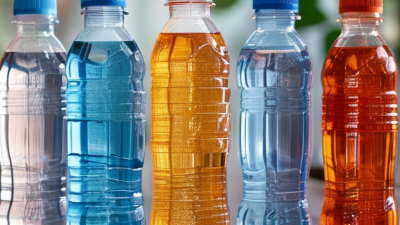
Plastic bottles with caps have become ubiquitous in our daily lives. Their versatility makes them suitable for a wide array of liquids, from water and juices to cleaning solutions and cosmetic products. According to a 2022 industry report by the Plastics Division of the American Chemistry Council, plastic bottles represented over 60% of the global beverage packaging market. This underscores their importance and adaptability in various sectors.
One of the standout features of plastic bottles with caps is their ability to maintain the integrity of the liquid inside. Airtight caps prevent leakage and contamination, ensuring that beverages remain fresh. When it comes to household products, their lightweight nature allows for easy handling. Yet, it’s worth noting that improper disposal of plastic bottles contributes to environmental issues. Awareness regarding recycling can drive better practices.
When storing liquids, be mindful of temperature. Extreme heat can degrade some plastics, potentially leaching chemicals into the contents. Aim for a cool, stable environment. For everyday use, consider the cap type; some designs allow for easy pouring, while others are more suited for sipping or squeezing. Experimenting with these features can enhance usability while addressing convenience.