1941 West Fort St

Detroit, MI 48216

313-496-0550

Mon - Fri 8:45 a - 4 p ET

Porter Bottle Company

What are the Different Types of Honey Bottles?

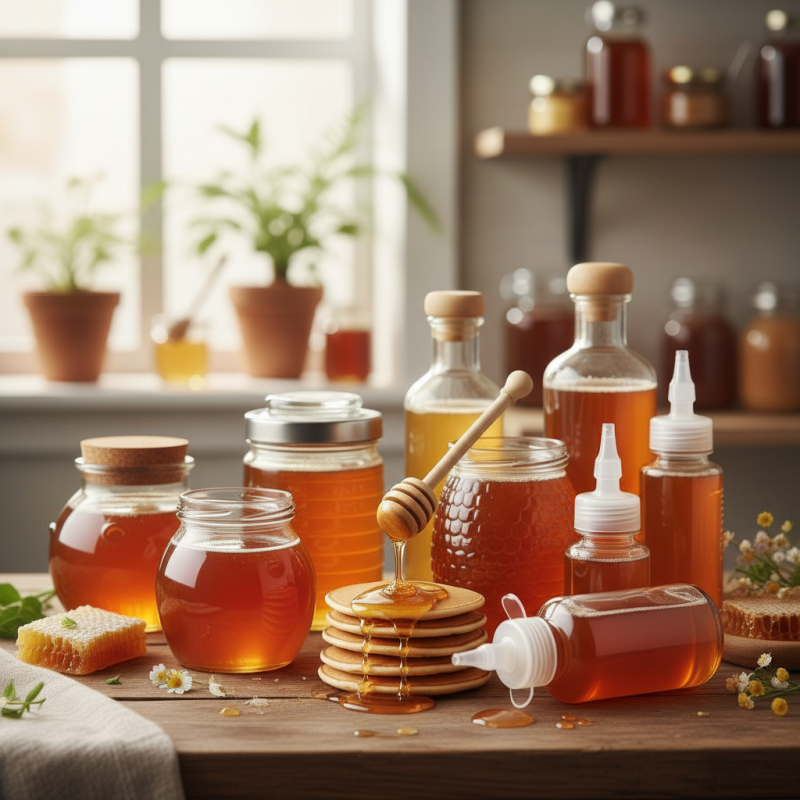
Honey bottles come in various shapes, sizes, and materials. This diversity reflects the different uses and preferences of consumers. From simple plastic squeeze bottles to ornate glass jars, each type serves a unique purpose.

Consider the popular plastic squeeze honey bottles. They are convenient, easy to use, and perfect for drizzling. On the other hand, glass honey jars often feature beautiful designs, making them ideal for gifting. Some may even have wooden or metal lids that add a touch of elegance. However, they can be heavier and more fragile than their plastic counterparts.

While choosing honey bottles, it's essential to think about the packaging's impact on freshness and flavor. Glass bottles usually provide better preservation than plastic. Yet, many consumers may overlook the environmental impact of packaging. Plastic waste is a growing problem, and many honey lovers are reevaluating their choices. This reflection can inspire more sustainable decisions in selecting honey bottles.
What are the Different Types of Honey Bottles?

Types of Honey Bottles: An Overview

What are the Different Types of Honey Bottles?

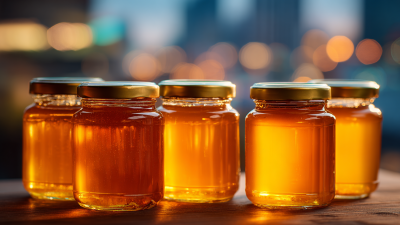
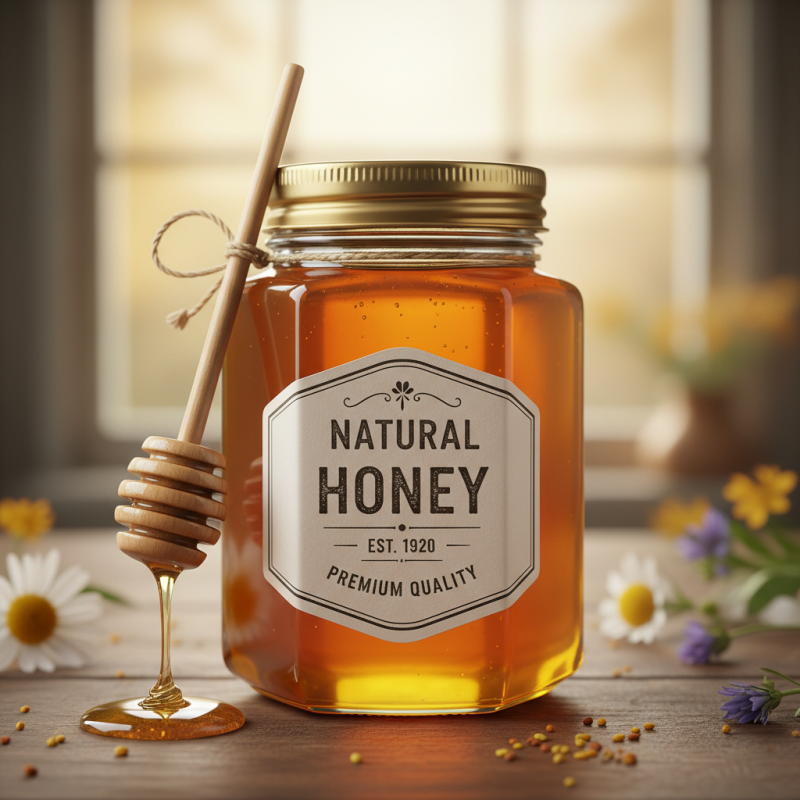
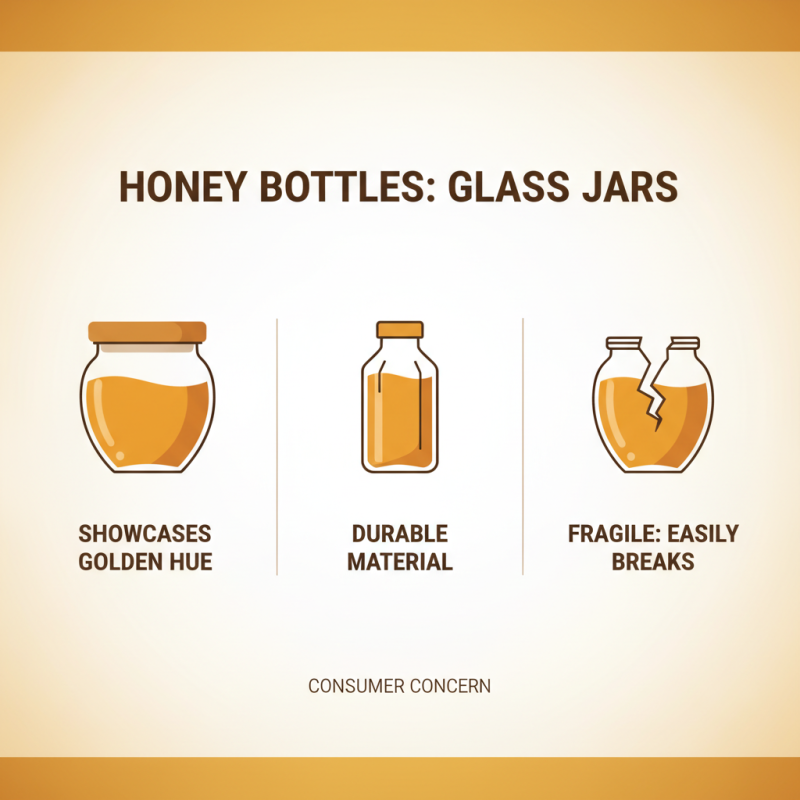
When it comes to honey bottles, variety reigns supreme. The most common type is the glass bottle. These jars showcase the honey's golden hue and are often sealed with wooden lids. Glass is durable but can break easily. This can be a concern for many consumers.

Then there's plastic packaging, popular for its lightweight nature. Plastic bottles are unbreakable but may lack the aesthetic appeal of glass. They often come in squeeze bottles, making it easy to pour. However, some argue that plastic isn't the best for preserving flavor.

Lastly, squeezable pouches have recently gained traction. They are convenient and portable, perfect for on-the-go use. The downside? They can be challenging to reseal, leading to sticky situations. Each type of honey bottle has its merits and flaws. Finding the perfect option depends on personal preference and use.
Glass Honey Bottles: Characteristics and Benefits

Glass honey bottles are popular in the honey industry due to their unique characteristics and numerous benefits. One of the primary advantages of glass is its non-reactive nature. Unlike plastic, glass does not interact with honey, preserving its natural flavor and quality. According to industry reports, glass containers can maintain honey's freshness for longer periods, often exceeding two years when stored properly.

In addition, glass bottles can be visually appealing. They come in various shapes and sizes. This appeal makes them ideal for both retail and gift purposes. Consumers often prefer glass for its elegant look. A study indicated that 70% of honey buyers are more likely to choose glass packaging over plastic.

Tips for using glass honey bottles: Ensure they are properly sealed to avoid moisture absorption. When using these bottles, consider storing them in a cool, dark place. Be aware that glass can break easily. While it is an environmentally friendly choice, it requires careful handling.

Some may think glass is too heavy for practical use. This can limit its portability. However, the aesthetic benefits often outweigh the inconvenience. Reflect on the sustainability aspect of glass versus plastic. Making choices for the environment can influence buyer behavior significantly.

Comparison of Different Types of Honey Bottles

Plastic Honey Bottles: Durability and Convenience

Plastic honey bottles offer a blend of durability and convenience that many find appealing. They are lightweight and can withstand drops without breaking. This is especially useful when storing honey in busy kitchens or on the go. Their flexibility allows for easy squeezing, making it simple to drizzle honey onto your favorite foods. For kids, these bottles are safe and easy to handle.

However, there are some concerns. Not all plastic is created equal. Certain types of plastic can leach chemicals over time. Consumers must choose wisely. Storage in sunlight can also degrade some plastics. This could affect the honey's quality. Regular inspection of the bottles is crucial.

Despite these points, plastic bottles remain popular. They're often more affordable and can be molded into various shapes. Many brands offer colorful designs that catch the eye. This can make honey more appealing, especially to younger audiences. As with all packaging, awareness of the materials used is key for a sustainable choice.

Honey Jars vs. Squeeze Bottles: Key Differences

What are the Different Types of Honey Bottles?

When it comes to honey packaging, the choice between honey jars and squeeze bottles can be significant. Honey jars, typically made of glass or plastic, provide an elegant presentation. They often have wide mouths, making it easy to access the honey. The glass also keeps the flavor intact longer. According to industry reports, nearly 40% of consumers prefer jars for their aesthetic appeal.

On the other hand, squeeze bottles offer practicality and convenience. They consist of soft plastic, which allows easy dispensing of honey. Squeeze bottles minimize mess, which is essential in kitchens where sticky situations arise frequently. Research shows that about 60% of buyers, especially younger consumers, favor squeeze bottles for their ease of use. However, the squeeze mechanism can sometimes lead to excessive flow, spilling more honey than intended.

Both options have their drawbacks. Glass jars can break easily, while squeeze bottles can harbor bacteria if not cleaned properly. While jars are reusable and environmentally friendly, they lack the portability that squeeze bottles provide. Assessing personal preferences is essential, as these factors influence purchase decisions significantly.

Specialty Honey Packaging: Unique Designs and Usages

When it comes to honey packaging, unique designs play a vital role. Specialty honey bottles come in various shapes and materials, appealing to diverse consumer preferences. According to a 2020 market report, innovative designs increased sales by 15%. Consumers are often drawn to visually striking bottles that tell a story or showcase the honey's origin.

Some designs incorporate materials like glass or biodegradable plastics. Glass bottles often enhance the perceived quality of the honey inside. However, these bottles can be heavy and prone to breaking. Eco-friendly options are also growing in popularity. A 2021 survey indicated that 45% of consumers prefer sustainable packaging. Yet, many brands still struggle to balance aesthetic appeal with functionality.

Beyond aesthetics, practical features matter. Some bottles include easy-pour spouts or honey dispensers that improve user experience. Unique labels often differentiate premium honey varieties. However, it's essential to ensure these labels comply with regulations. Clear information is crucial for building consumer trust. Yet, brands sometimes overlook transparency in ingredient lists. This could lead to confusion and mistrust among consumers.

Scroll to Top