
1941 West Fort St

Detroit, MI 48216

313-496-0550

Mon - Fri 8:45 a - 4 p ET

Porter Bottle Company

Top 10 Squeezable Lip Gloss Tubes for Bulk Buyers

For bulk buyers, the right packaging needs to work well beyond the product photo. Squeezable Lip Gloss Tubes should be comfortable to hold, easy to dispense, and suitable for the gloss’s texture. A narrow nozzle offers controlled application, while a wider opening may suit thicker formulas. Small details matter. Cap fit, tube flexibility, and wall thickness can affect daily use and packing efficiency.

This guide explores ten options through practical purchasing considerations, including capacity, material, applicator style, customization, and supplier communication. Product specifications can help narrow a shortlist, but they do not tell the whole story. Samples still matter. Squeeze a filled tube, check how the cap closes, and see whether the applicator delivers a consistent amount. If possible, test samples with your own formula and filling process before placing a large order.

A lower unit price can look appealing, yet an awkward tube or inconsistent finish may create extra work. Compare minimum order quantities, lead times, available decoration, and sample policies alongside the quoted price. Ask suppliers clear questions, and confirm important details in writing. No tube is perfect for every product or production line. Even a careful comparison has limits, so treat this list as a starting point—not a substitute for hands-on testing and a conversation with your packaging supplier.
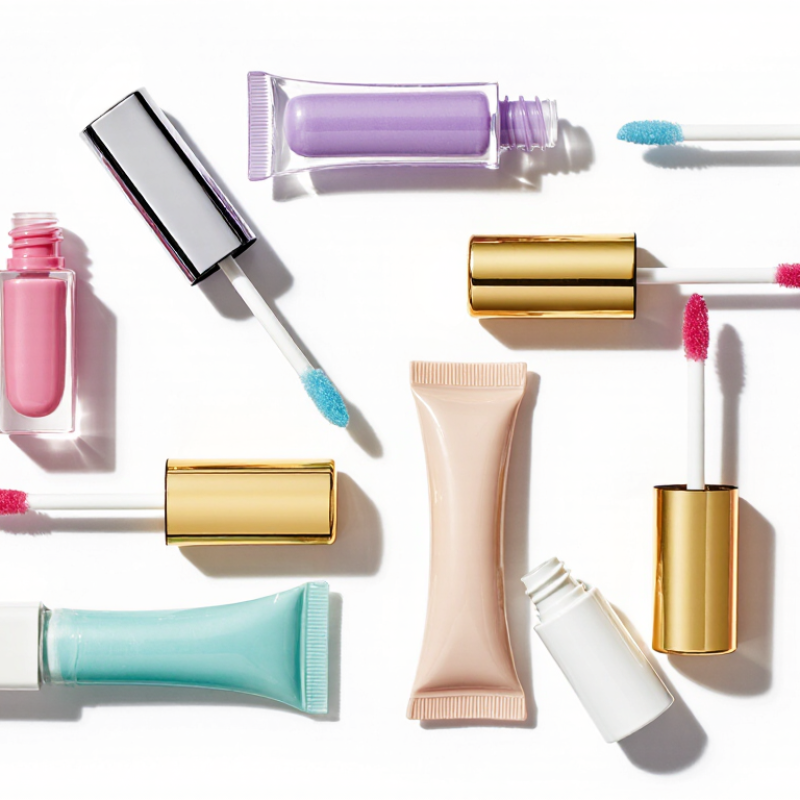
Top 10 Squeezable Lip Gloss Tubes for Bulk Buyers

Key Features of Squeezable Lip Gloss Tubes for Bulk Buyers

For bulk buyers, a squeezable lip gloss tube should dispense smoothly without requiring a hard press. Check the tube’s wall thickness, opening size, and cap fit with the actual gloss formula. A narrow nozzle can control small doses, but may clog with thicker products. A wide opening fills quickly, yet can leave excess gloss around the tip. Small details matter. Grand View Research valued the global cosmetic packaging market at USD 34.8 billion in 2023 and projected 5.5% annual growth through 2030. That expansion makes consistent filling and dependable packaging performance practical purchasing concerns, not just design preferences.

Ask suppliers for samples filled with your production formula, then test them on the intended filling line. Check for leaking after transport simulation, clean dispensing, and caps that stay secure after repeated use. Also compare squeeze force across samples; a tube that feels comfortable in one hand may be tiring during frequent use. OECD’s Global Plastics Outlook reports that packaging accounted for about 40% of plastic waste in 2019. Material choice deserves scrutiny, but recyclability depends on local systems and component design. The trade-off is real. A lighter tube may reduce material use, yet feel flimsy or crease visibly. Record these compromises before approving a bulk order.

Top 10 Squeezable Lip Gloss Tubes for Bulk Buyers - Key Features of Squeezable Lip Gloss Tubes for Bulk Buyers

The configurations below represent common packaging options. Capacities and component details vary by supplier; confirm compatibility, decoration, and production specifications before ordering.

No. Tube Configuration Typical Capacity Common Tube Material Applicator / Opening Bulk-Buying Advantages Key Checks Before Ordering
1 Standard squeeze tube with slant tip 5–15 mL LDPE or flexible polyethylene Angled dispensing tip Simple format with few components; suitable for direct application and straightforward filling setups. Check tip opening, cap fit, product flow, and whether the tip needs a protective seal.
2 Fine-tip precision squeeze tube 3–10 mL LDPE or other flexible plastic Narrow dispensing nozzle Allows controlled dispensing and works well for compact product formats. Test dispensing with the intended gloss viscosity; a narrow opening may dispense thick formulas slowly.
3 Tube with silicone applicator tip 5–12 mL Flexible plastic tube with a silicone tip Soft, rounded applicator Combines squeeze dispensing with an applicator surface, reducing the need for a separate wand. Confirm silicone compatibility, tip attachment, cleanability, and the preferred softness.
4 Tube with flocked applicator tip 5–10 mL Flexible plastic tube with a flocked tip Soft flocked surface Offers a cushioned application feel in a compact, wand-free package. Check flock adhesion, surface coverage, formula pickup, and product compatibility.
5 Tube with brush-tip applicator 5–12 mL LDPE or laminated flexible tube Short brush at the dispensing end Supports more precise spreading while keeping the squeeze-tube format. Assess brush alignment, bristle retention, dispensing control, and ease of cleaning.
6 Tube with rollerball applicator 5–15 mL Flexible plastic tube with a rollerball assembly Small rolling ball Provides a distinctive application method and can distribute product in a thin layer. Verify ball movement, leak resistance, formula flow, and protection from residue buildup.
7 Small-format sample squeeze tube 1–5 mL LDPE or flexible polyethylene Small tip or narrow nozzle Useful for sampling, promotional kits, and trial-size programs; uses less product per unit. Check minimum fill requirements, print legibility, and whether the closure is convenient at small scale.
8 Mid-size everyday squeeze tube 10–20 mL LDPE, HDPE, or multilayer tube construction Slant tip or dispensing nozzle Offers a larger fill volume for regular-use formats while retaining a flexible package. Confirm tube wall feel, usable product evacuation, dimensions, and filling-line suitability.
9 Decorated laminated squeeze tube 5–15 mL Plastic laminate or barrier laminate Slant tip or nozzle, depending on assembly Can support printed graphics and may provide a more structured feel than a basic single-layer tube. Review decoration durability, layer construction, seam quality, and compatibility with the formula.
10 Recycled-content plastic squeeze tube 5–15 mL Plastic containing recycled material, subject to specification Slant tip or dispensing nozzle Provides an option for buyers evaluating recycled-content packaging. Request documented recycled-content details; test appearance, strength, sealing, and formula compatibility.

Materials, Shapes, and Applicator Types

Material choice affects feel, clarity, barrier performance, and unit cost. Grand View Research valued the global cosmetic packaging market at USD 34.4 billion in 2023 and forecast 5.4% annual growth from 2024 to 2030. That broad market figure is not specific to lip-gloss tubes, but it reflects sustained demand for packaging choices. For bulk orders, polyethylene tubes are lightweight and easy to squeeze; laminated structures can offer stronger barriers. Ask suppliers to test the tube against your formula for leakage, odor transfer, and changes in gloss texture. Recycled-content resin may look less clear. A small detail, but buyers can overlook it.

Shape matters on a filling line and in a shopper’s hand. Round tubes are familiar and simple to label, while oval or flat-sided profiles resist rolling across a workbench. Wider bodies can improve shelf visibility, yet may feel clumsy in a small bag. Check cap fit and carton dimensions with a physical sample before approving a large run. It is not glamorous work.

Applicators change how much product lands on the lips. Flocked doe-foot tips feel soft and spread gloss quickly; silicone tips are easier to wipe clean but can feel firmer. Brush tips offer more precise placement, while narrow nozzles reduce parts and support direct application. The nozzle can be messy. Compare dose consistency, closure tightness, and user comfort across several samples. A visually attractive applicator may still dispense too much, so test it with the actual formula rather than an empty tube.

Top 10 Squeezable Lip Gloss Tube Options

Top 10 Squeezable Lip Gloss Tube Options

Bulk buyers can choose from ten practical formats: standard polyethylene, soft LDPE, co-extruded multilayer, recycled-content resin, mono-material construction, laminated barrier, clear-body, opaque-body, slim-tip, and broad-orifice tubes. Each option changes the feel, dispensing control, or product protection. Small details matter. A narrow nozzle helps reduce messy application, while a wider opening can suit thicker gloss formulas. Clear walls show the shade, but may expose the product to more light. Test samples with the actual formula before approving a large order.

Grand View Research valued the global cosmetic packaging market at about US$32.6 billion in 2023 and forecast a 4.4% compound annual growth rate from 2024 to 2030. This is broad packaging-market context, not a lip-gloss-specific forecast. For buyers comparing tube options, the figure signals a sizable, competitive packaging category. Ask suppliers for material specifications, minimum order quantities, cap-fit checks, and leakage-test results. PCR content can support recycled-material goals, but its color and consistency may vary between batches. Mono-material designs may simplify recycling, though local collection systems differ. Not perfect. A soft-touch finish can feel premium, yet add cost and complicate material choices; weigh the shelf appeal against production needs.

How to Compare Capacity, Cost, and Minimum Order Quantities

Top 10 Squeezable Lip Gloss Tubes for Bulk Buyers

Bulk quotes can look similar until you compare usable capacity. A 10 ml tube may leave little room for filling, while a larger format can increase shipping weight and storage needs. Check the stated net capacity, tube dimensions, and recommended fill range. Ask for a sample filled with your actual gloss; thick formulas may squeeze differently from thin ones.

Compare landed cost, not just the unit price. Add caps, applicators, printing, freight, and setup charges. Not just the tube. Compare minimum order quantities (MOQs) against matching specifications. A low price tied to 20,000 pieces may not suit a first run. Request quotes at several order sizes, and confirm whether color changes trigger a separate MOQ. I still find it easy to overlook carton dimensions, which can change freight costs more than expected.

Tips: Test squeeze pressure on a filled sample. Check for leaks after storing it upright and sideways. Record capacity, unit cost, MOQ, and lead time in one sheet. Quotes can still need follow-up.

Top 10 Squeezable Lip Gloss Tubes for Bulk Buyers

Compare nominal capacity, estimated packaging cost, and minimum order quantity (MOQ).

Tube format Capacity Estimated unit cost Illustrative MOQ
Compact mini3.5 mL$0.08–$0.145,000–10,000
Mini standard5 mL$0.09–$0.155,000–10,000
Short slim6 mL$0.09–$0.165,000–10,000
Classic slim7 mL$0.10–$0.175,000–10,000
Everyday standard8 mL$0.10–$0.185,000–10,000
Full-size standard10 mL$0.11–$0.195,000–15,000
Wide-body12 mL$0.12–$0.205,000–15,000
Large capacity15 mL$0.13–$0.2210,000–20,000
Extra-large18 mL$0.15–$0.2510,000–20,000
Maximum capacity20 mL$0.16–$0.2810,000–20,000

Capacity options are nominal packaging sizes. Cost and MOQ figures are illustrative planning ranges, not verified supplier quotations; actual pricing varies with material, decoration, closure, order volume, and destination. Packaging only; excludes formula, filling, freight, and tooling.

Customization, Quality Control, and Bulk Ordering Considerations

For bulk buyers, customization should begin with the formula and filling method, not just the tube color. Choose a body material and wall thickness that feel comfortable to squeeze but resist creasing during repeated use. Confirm the tube’s capacity, neck finish, and applicator dimensions with a physical sample. Small details matter. Print color can shift on flexible surfaces, so review a decorated sample under ordinary indoor light. A glossy prototype may still mislead; the final material can feel stiffer or show marks more easily.

Quality checks should reflect actual handling. Fill samples with the intended product, leave them upright and on their sides, then check for leakage, cap fit, and changes in dispensing. Record results and acceptable production tolerances before approving a run. For larger orders, ask how units are counted, packed, and protected from crushing in transit. Request a clear schedule for sample approval, production, and shipment, with time for corrections. A low unit price is less useful if cartons arrive late or the applicators vary. Even a careful plan can miss a small issue, so keep a few extra samples for comparison during production.

Scroll to Top