1941 West Fort St

Detroit, MI 48216

313-496-0550

Mon - Fri 8:45 a - 4 p ET

Porter Bottle Company

What Are the Top Skincare Set Box Types in 2026?

Skincare Set Box choices are becoming more practical, personalized, and experience-driven in 2026. McKinsey’s The Business of Beauty report projects the global beauty market could approach $590 billion by 2028. Skincare remains one of its largest categories. Grand View Research also reports steady growth in the global skincare market, supported by ingredient awareness, premium products, and digital shopping. These figures suggest strong demand, but they do not guarantee that every set will perform well.

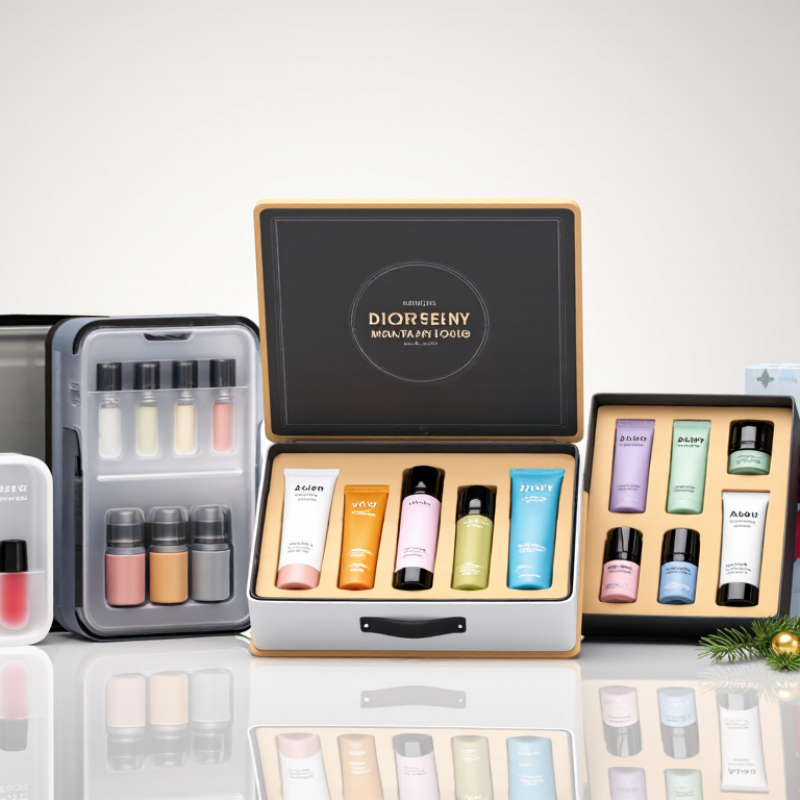
The leading Skincare Set Box types include daily routine kits, travel-size collections, personalized regimen boxes, refillable sets, and seasonal gift boxes. Daily kits usually combine cleanser, serum, moisturizer, and sunscreen. Travel sets focus on smaller bottles and leak-resistant packaging. Personalized boxes may target dryness, sensitivity, acne-prone skin, or visible aging. Refillable designs appeal to shoppers who want less packaging waste. Seasonal sets add discovery and gifting value.

Dermatologist Dr. Zoe Diana Draelos emphasizes a central principle: “The best skin-care routine is the one a patient can follow consistently.” That idea matters when evaluating every box type. A beautiful package cannot replace suitable formulas, clear instructions, and realistic use. The categories also overlap. A refillable travel box can be personalized, too. This makes market comparisons imperfect, but more honest.

Brands should support claims with ingredient evidence, safety testing, and transparent labeling. Consumers increasingly inspect percentages, allergens, fragrance, and expiration guidance. Packaging alone is not authority. In 2026, the strongest sets will likely balance convenience, clinical credibility, sensory appeal, and measurable value. Some predictions may miss the mark. Consumer habits change faster than packaging cycles.
What Are the Top Skincare Set Box Types in 2026?

Market Scope: Beauty Sales Could Reach $590B by 2028 (McKinsey)

McKinsey’s beauty market outlook suggests global sales could reach $590 billion by 2028. That forecast changes how skincare sets should be designed in 2026. NIQ’s 2024 State of Beauty report recorded 7.3% global beauty growth in 2023. Consumers are spending, but they still expect clear value. The strongest box types may include barrier-care sets, daily routine kits, travel-size collections, targeted serum bundles, and refill-focused boxes. Each format solves a practical need. A compact box with cleanser, moisturizer, and sunscreen feels easier to understand than twelve unrelated products.

Barrier-repair boxes should remain important as consumers respond to dryness, sensitivity, and overcomplicated routines. Targeted sets may focus on hydration, uneven tone, or visible signs of aging. However, claims need careful testing. Packaging also matters. A sturdy paper insert, readable instructions, and full ingredient details can reduce confusion. Small details build trust. Euromonitor’s beauty analysis continues to identify wellness, personalization, and responsible consumption as major market forces. Yet personalization can become wasteful when every customer receives excessive samples. That weakness deserves more attention.

Tips: Keep each box to three or four useful products. Explain the order of use beside every item. Show sizes clearly, especially for travel formats. Use recyclable materials where practical, but verify disposal guidance locally. Avoid promising instant results. A realistic usage timeline sounds more credible. My practical view is simple: the best 2026 set will feel edited, not crowded. Some consumers may still prefer larger discovery boxes, but more products do not automatically create better value.

Regimen Sets: Why Complete Routines Lead Skincare Purchases (NIQ)

What Are the Top Skincare Set Box Types in 2026?
Regimen Sets: Why Complete Routines Lead Skincare Purchases (NIQ)

In 2026, skincare set boxes are shifting from attractive collections to guided routines. NIQ consumer research highlights regimen sets as a strong purchase driver. Shoppers often prefer one coordinated box over several isolated products. The reason is practical. A cleanser, treatment serum, moisturizer, and daytime sunscreen create a visible sequence. Clear steps reduce guesswork, especially for new users.

A strong regimen set should explain when and how to use each item. Morning boxes may pair gentle cleansing with hydration and sun protection. Evening boxes can focus on cleansing, targeted treatment, and barrier support. The packaging should show sizes, textures, and patch-testing advice. Small details matter. A 30-milliliter serum feels more useful when its expected duration is stated. Ingredient lists should remain readable, not buried beneath decorative claims.

However, complete does not always mean suitable. Sensitive skin may react to several new formulas introduced together. A routine box can also include an unnecessary step, increasing cost and bathroom clutter. Buyers should check active ingredients, fragrance, usage limits, and professional guidance when needed. Retail teams can improve trust by explaining evidence levels instead of promising dramatic results. I would question any set that treats every skin type alike. Convenience leads the purchase, but careful adjustment protects the routine.

Discovery Boxes: Travel Sizes and Minis Expand Product Trial (Circana)

What Are the Top Skincare Set Box Types in 2026?

Discovery boxes are becoming a practical skincare set format in 2026. Circana highlights how travel sizes and minis expand product trial across beauty routines. Instead of buying full-size products immediately, shoppers can test cleansers, serums, moisturizers, and masks together. The smaller formats also suit weekend bags, gym lockers, and short business trips.

A well-designed discovery box should offer a clear routine, not random samples. For example, a morning set might include a gentle cleanser, lightweight moisturizer, and sunscreen-sized product. Night routines may feature a richer cream or treatment mini. Check the ingredient list carefully, especially when several products contain exfoliating acids or fragrance. Patch testing remains sensible.

From my experience reviewing sample-sized routines, packaging quality affects the trial. Tight caps prevent leaks, while readable labels make product order easier. Single-use sachets create less waste but can feel inconvenient. Small bottles are more useful, although they may increase plastic consumption. That trade-off deserves attention.

Circana’s findings suggest that minis reduce commitment and encourage experimentation. However, trial does not guarantee satisfaction. A few uses may reveal texture problems, but not always long-term results. Consumers should record skin comfort, dryness, redness, and product reactions during testing. Discovery boxes work best when their contents match a specific need, budget, and travel schedule.

Personalized Sets: AI Recommendations Support Higher Conversion Rates (Mintel)

What Are the Top Skincare Set Box Types in 2026?

Personalized skincare sets are becoming more relevant as shoppers expect guidance, not random product bundles. Mintel reports that AI recommendations can support higher conversion rates by matching routines with individual needs. A customer may enter concerns such as dryness, sensitivity, uneven tone, or limited time. The system then suggests a focused set with cleanser, treatment, moisturizer, and sunscreen.

This approach can make shopping feel more practical. It may also reduce choice overload on crowded product pages. A useful recommendation should explain why each item appears. For example, a lightweight gel may suit oily skin, while a richer cream supports a dry winter routine. Clear instructions build trust and show professional skincare knowledge.

Still, AI is not a skin expert. The system can miss the human detail. It may misunderstand irritation, seasonal changes, or a reaction caused by another product. Retailers should request only relevant information and protect customer privacy. They should also encourage patch testing and professional advice for persistent concerns. Accurate ingredient descriptions matter more than clever personalization. Conversion rates may rise, but poor recommendations can quickly damage confidence. The strongest set boxes combine AI convenience with transparent formulas, realistic claims, and accessible customer support.

Refillable Boxes: Sustainability Aligns with 2026 Packaging Demand (Euromonitor)

Refillable Boxes: Sustainability Aligns with 2026 Packaging Demand

Refillable skincare boxes are becoming a practical response to 2026 packaging expectations. Euromonitor highlights sustainability as a major demand driver, and refill systems fit that direction. They reduce repeated outer packaging and can create a more deliberate unboxing experience. A sturdy box, a removable inner tray, and a clearly marked refill compartment make the system easier to understand. Materials also matter. Recycled paper, low-ink printing, and durable closures can support a lower-waste design without making the package feel cheap.

Still, refillable packaging is not automatically greener. If replacement inserts travel long distances, the environmental benefit may shrink. Consumers may also abandon a system when refills feel confusing or expensive. That is a useful warning. Good design must consider the full product journey, not only the first purchase. Testing the box with real users can reveal loose inserts, difficult openings, or unclear disposal instructions before launch.

Tips: Keep the refill visible. Use simple labels. Show how the empty component should be handled. Check whether the box survives bathroom humidity and repeated opening. Avoid adding decorative layers that serve no practical purpose. Small details often decide whether customers reuse the package or discard it. A refillable set should feel convenient, not like a sustainability exam.

Scroll to Top