10 Tips for Buying Paper Salad Bowls in Bulk
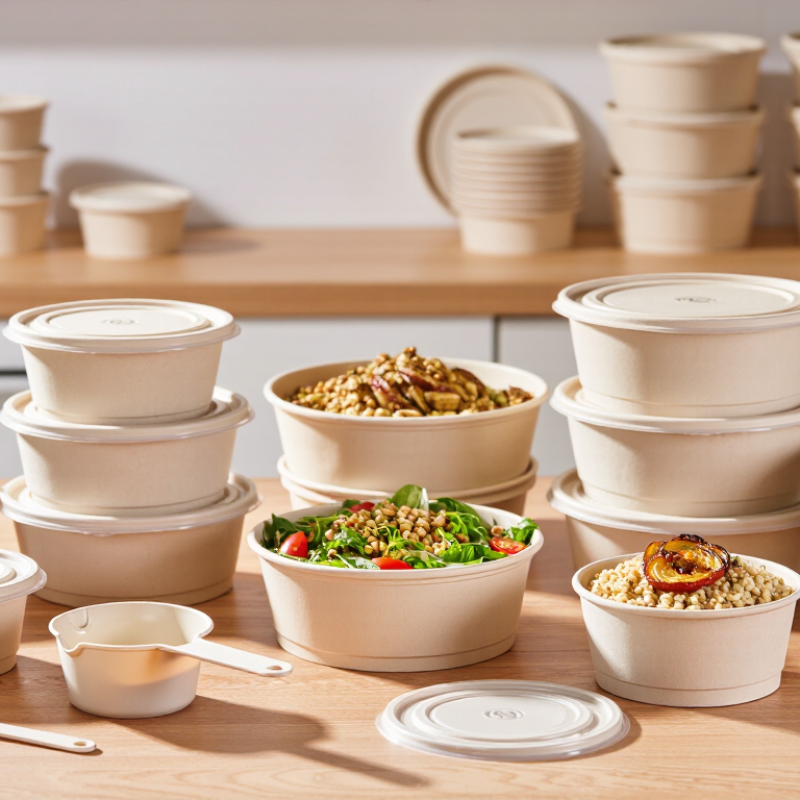
Buying paper salad bowls in bulk can seem simple until the first shipment arrives. A bowl that feels sturdy in a sample may soften under dressing or buckle when stacked. Small differences in rim shape, capacity, and coating can affect how a meal travels. For cafés, caterers, and meal-prep teams, these details influence portion control, packing speed, and customer experience. The right Paper Salad bowl should suit the actual menu, not just look convincing in a supplier’s photo. A crisp leaf salad behaves differently from a grain bowl with warm toppings. Test real servings. It matters.
This guide shares ten practical checks for comparing bowl sizes, materials, lid fit, case quantities, and supplier reliability. Request samples and fill them with the foods you plan to serve. Leave them packed for a realistic period, then check for leaks, soggy spots, and awkward lid movement. Ask suppliers for clear product specifications and evidence behind environmental claims; wording on a label alone is not enough. Also compare the delivered cost, including freight and storage needs, rather than focusing only on the price per bowl. There is no perfect choice for every business. A cheaper case may create waste if the bowls do not fit your portions or workflow. Some decisions still involve trade-offs, so record what your team observes before placing a large order.
Define Your Menu, Serving Sizes, and Bowl Requirements
Your menu should guide the bowl, not the other way around. A leafy lunch with crisp toppings needs a different shape from a grain bowl with warm sauce. Write down each item, including dressings, crunchy add-ons, and temperature. Small details matter. A generous pour of vinaigrette can soften some paper bowls before the meal is served.
Set serving sizes using real portions, not guesswork. Weigh a typical serving of greens, grains, protein, and toppings, then test it in a sample bowl. Leave room for mixing and carrying; a bowl filled to its rim is awkward to close and easy to spill. Check both the smallest and largest menu items. We once underestimated how much volume shredded vegetables added, and the bowls looked crowded. It was a useful, slightly annoying lesson.
Turn those menu tests into clear bowl requirements. Note the needed capacity, depth, opening width, and whether customers need a compatible lid. For saucy dishes, test a filled sample for leaks during the same length of time it may sit before pickup. Check that bowls stack neatly in your storage area, too. Measure the shelf. Then confirm the case quantity fits your ordering pace, so unused stock does not occupy space for months.
Compare Paper Types, Coatings, and Food-Safety Standards
When comparing paper salad bowls, check the base paper as well as its appearance. Kraft paper often has a natural brown finish, while bleached paper looks cleaner and brighter. Heavier paperboard may feel sturdier, but thickness alone does not prevent leaks. Press a sample gently near the rim and base; weak spots can show up there first.
The coating determines how well a bowl handles dressing, moisture, and oily toppings. Plastic-lined bowls can resist leaks, while aqueous coatings may offer a different barrier profile. PLA-lined options are not automatically compostable in every area; suitable facilities and certification matter. Test bowls with the actual menu. A cold, dry sample tells you little about a salad with vinaigrette.
Ask suppliers for food-contact documentation that matches the intended use, including the types of food and temperature range. Check whether testing covers migration, and request lot traceability for repeat orders. Small details matter. Confirm that claims such as “compostable” or “recyclable” apply to the complete bowl, not just the paper. Requirements vary by market, and labels can be confusing. I would not rely on a sales sheet alone; review the supporting documents and keep a sample from each production lot.
Check Bowl Dimensions, Strength, and Leak Resistance
When buying paper salad bowls in bulk, check more than the listed capacity. A bowl’s top diameter, base width, and depth affect how easily staff can fill it and customers can eat from it. Compare the measurements with a real serving, including bulky greens, toppings, and dressing. A deep bowl may hold plenty but feel awkward to carry. Small details matter.
Check strength with the food you actually plan to serve. Fill a sample bowl with a full portion, then lift it from the base and rim. Look for buckling, soft spots, or seams that separate under weight. Stack several filled bowls briefly, too. Paper construction varies, and a product description alone cannot show how it handles a heavy grain salad or warm ingredients. I might overlook this on a quick review, so testing samples is worth the extra step.
Tip: Test leak resistance with dressing, not water alone. Add a typical portion of vinaigrette, wait 15 minutes, and inspect the bottom and side seams. For oily or moist salads, repeat the check for longer. Ask the supplier for sample specifications, but verify them yourself before placing a large order.
Evaluate Suppliers, Bulk Pricing, and Minimum Order Quantities
Tip: Request samples before comparing quotes. Check the seams, rim stiffness, and how the bowls hold dressing after several minutes. Tip: Ask suppliers for written specifications, including bowl capacity, paper weight, coating, and case quantity. Details matter. Tip: Confirm whether samples match production materials; a sample can feel sturdier than a bulk shipment.
Tip: Compare the full delivered cost, not just the price per bowl. Include freight, packaging, and any setup charges. Tip: Ask for price breaks at different quantities. A larger order may lower unit cost but tie up storage space and cash. Tip: Check the minimum order quantity for each size and design. Some suppliers set separate minimums. Tip: Request a clear explanation of lead times and reorder schedules. Ask twice if the answer is vague.
Tip: Review defect and replacement terms before placing a large order. Tip: Check how cartons are packed; crushed bowls can erase a small price saving. Tip: Order a modest test batch if your storage or demand is uncertain. Tip: Keep notes on sample quality, quoted costs, and delivery dates. I would still leave room for surprises: estimates can be neat, while real receiving days are not.
10 Tips for Buying Paper Salad Bowls in Bulk: Supplier Evaluation Priorities
A practical suggested weighting for comparing suppliers. These percentages are a decision-making framework, not market averages; verify food-contact requirements, pricing, minimum order quantities, and shipping terms for your location.
Plan Storage, Delivery, and Inventory Before Ordering
Before ordering paper salad bowls in bulk, measure the space they will actually occupy. Check carton dimensions, pallet height, aisle width, and shelf capacity—not just the number of bowls per case. Store cartons in a dry area, off the floor, and away from loading doors where rain or condensation can reach them. Avoid stacking beyond the carton’s strength; crushed rims can make bowls difficult to separate. Keep older stock at the front. Simple, but easy to neglect.
Delivery planning matters too. The 2024 CSCMP State of Logistics Report estimated U.S. logistics costs at 8.7% of GDP in 2023, a reminder that freight and handling affect total purchase cost. Ask for the expected lead time, delivery window, pallet count, and any access limits before confirming an order. A truck arriving when nobody can receive it creates avoidable delays. Build a modest buffer for busy periods, but base it on actual weekly use rather than optimistic forecasts.
Track average weekly consumption and supplier lead time to estimate reorder points. Then compare that figure with usable storage space. EPA’s 2018 materials report found a 68.2% recycling rate for paper and paperboard overall; that figure does not mean every food-contact item is locally recyclable. Keep cartons clean and dry, and check local acceptance rules. Leave room to revise the plan—demand can shift, and bulk buys can become clutter surprisingly fast.