How to Recycle Plastic Bottles and Reduce Environmental Impact
As our planet faces the escalating crisis of plastic pollution, the proper disposal and recycling of plastic bottles has become a critical environmental concern. According to Dr. Lisa Hartman, a leading expert in sustainable materials management, "Recycling plastic bottles not only conserves natural resources but also significantly reduces our carbon footprint." This commitment to environmentally sound practices is essential, as millions of plastic bottles are discarded every day, contributing to overflowing landfills and ocean pollution.
The process of recycling plastic bottles can have a profound impact on reducing environmental harm, as it enables the recovery of valuable materials that can be repurposed for new products. By embracing recycling initiatives and educating communities about proper disposal methods, we can work collectively to shift the tide against plastic waste. As consumers become more aware of their choices, they play a pivotal role in minimizing the ecological footprint attributed to plastic bottles. Furthermore, innovative technologies are emerging which enhance the efficiency of recycling processes, making it easier than ever to contribute to a healthier planet.
In this guide, we will explore the effective ways to recycle plastic bottles, offering practical strategies that individuals and communities can adopt to reduce their environmental impact. Together, we can create a sustainable future by ensuring that plastic bottles are no longer seen as waste, but as valuable resources to be repurposed.

Understanding the Environmental Impact of Plastic Bottles
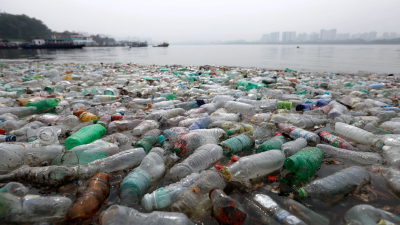
Plastic bottles are ubiquitous in modern society, yet their environmental impact is significant and often underestimated. According to a report by the World Economic Forum, approximately 1 million plastic bottles are purchased every minute worldwide, leading to an excess of 300 million tons of plastic produced each year. A substantial portion of these bottles ends up in landfills or the ocean, where they can take hundreds of years to decompose. This accumulation not only harms marine life but also contributes to the broader issue of microplastic pollution, which has infiltrated food chains and drinking water sources.
The environmental footprint of plastic bottles extends beyond their physical presence. The production process itself is resource-intensive, consuming significant amounts of fossil fuels and water. For instance, the energy required to manufacture a single plastic bottle is estimated to be enough to power a light bulb for over six hours. Furthermore, a 2020 study published in the journal Environmental Science & Technology revealed that plastic production and incineration contribute about 850 million metric tons of greenhouse gases annually. This staggering figure underscores the urgent need for sustainable practices, such as recycling and adopting alternative materials, to mitigate the detrimental effects of plastic on the environment.
Identifying Different Types of Plastic Bottles for Recycling
To effectively recycle plastic bottles and minimize environmental impact, it’s essential to start by identifying the different types of plastics used in these containers. The most common plastic bottles are made from polyethylene terephthalate (PET), high-density polyethylene (HDPE), and polyvinyl chloride (PVC). PET bottles, often used for beverages, are typically marked with the recycling code #1, and they are widely accepted in curbside recycling programs due to their high recyclability. Recognizing this type of plastic is crucial for ensuring that these materials can be processed efficiently.
Another prevalent type is HDPE, designated by the recycling code #2, which is often found in milk jugs and detergent bottles. HDPE is also highly recyclable and can be transformed into a variety of products, including piping and plastic lumber. Lastly, PVC, marked with the code #3, is less commonly recycled due to the complexity of the materials and the potential release of harmful chemicals during processing. Understanding these different types of plastics helps consumers make informed decisions when recycling and encourages participation in local recycling programs, ensuring that plastic bottles are diverted from landfills and reintroduced into the circular economy.
Step-by-Step Guide to Properly Rinse and Prepare Bottles for Recycling
To effectively recycle plastic bottles and minimize their environmental impact, it’s crucial to properly rinse and prepare them before disposal. Begin by removing any labels and caps. Labels can take a long time to decompose and might hinder the recycling process; thus, ensuring that only the clear plastic is recycled is essential.
Once the labels are off, rinse the bottles with water to eliminate any remaining liquids or residues. This step not only helps in maintaining hygiene but also prevents contamination, which can affect the recycling stream.
After rinsing, it’s beneficial to let the bottles dry completely. Storing moist bottles can lead to mold growth, further complicating recycling efforts. If possible, flatten the bottles to save space in your recycling bin, making it easier for collectors to transport them.
Always check local recycling guidelines, as they may have specific instructions for the preparation of plastic bottles. By adhering to these steps, you contribute to a more efficient recycling process, ensuring that more plastic materials can be reused and ultimately reducing the strain on our environment.
Exploring Local Recycling Programs and Drop-off Locations
When seeking to recycle plastic bottles effectively, understanding local recycling programs and drop-off locations is crucial. Many communities offer designated recycling services that allow residents to dispose of their plastic waste responsibly. These programs often provide clear guidelines on what can be recycled, helping to reduce contamination in recycling streams. Local government websites or community bulletins are excellent resources for finding the details about these initiatives, including any associated schedules or special events.
In addition to curbside pickup programs, many cities have established convenient drop-off locations where residents can take their plastic bottles. These facilities are typically located in accessible areas, such as public parks or community centers, making it easy for people to participate in recycling efforts. Some drop-off sites may even offer incentives, such as discounts on local services, which encourage greater participation. By understanding and utilizing these local resources, individuals can play a significant role in decreasing plastic waste and promoting a cleaner environment.
Innovative Ways to Repurpose Plastic Bottles at Home
Plastic bottles are a significant contributor to global waste, with over 300 million tons produced each year. According to recent data from the Environmental Protection Agency, about 27% of plastic bottles are recycled in the United States, leaving a staggering number of bottles to end up in landfills and oceans. Repurposing these bottles at home can significantly minimize their environmental impact while encouraging creativity and sustainability.
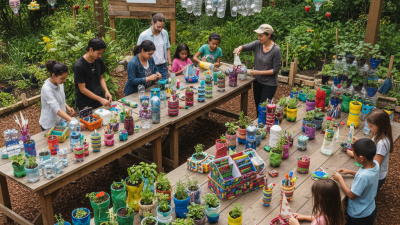
One innovative way to repurpose plastic bottles is to transform them into planters. By cutting bottles in half and adding soil, they can be used to grow herbs, flowers, or even small vegetables, reducing the need for store-bought pots. Additionally, vertical gardens made from stacked bottles can be an efficient use of space, making it possible for urban dwellers with limited gardening areas to cultivate their green thumbs. Studies show that DIY gardening can enhance home aesthetics and contribute to mental well-being.
Another creative option is turning plastic bottles into storage solutions. By cutting bottles into various sizes, they can serve as organizers for office supplies, craft tools, or even kitchen utensils. This form of recycling not only declutters your home but also promotes a zero-waste lifestyle. According to a report from the World Economic Forum, embracing such repurposing initiatives could significantly reduce plastic waste and inspire a cultural shift towards sustainability.
How to Recycle Plastic Bottles and Reduce Environmental Impact - Innovative Ways to Repurpose Plastic Bottles at Home
| Repurposed Item |
Materials Needed |
Estimated Time |
Benefits |
| Plant Watering Bottle |
Plastic bottle, small holes in cap |
5 minutes |
Saves time and prevents overwatering |
| Bird Feeder |
Plastic bottle, twine, birdseed |
15 minutes |
Encourages wildlife and reduces waste |
| Storage Container |
Plastic bottle, scissors |
10 minutes |
Organizes small items effectively |
| Planter |
Plastic bottle, soil, seeds |
20 minutes |
Promotes gardening and reduces plastics |
| Craft Project Supplies |
Various crafting tools |
Varies |
Enhances creativity and minimizes waste |