How to Use Machine Vision Inspection for Quality Control?
Machine Vision Inspection is transforming quality control in manufacturing. This technology employs cameras and software to analyze products automatically. It enhances accuracy and speed in identifying defects. Traditional inspection methods often rely on human judgment, which can be inconsistent. Machine vision systems do not suffer from fatigue or distractions. They provide real-time feedback and can catch errors that may go unnoticed by the human eye.
Implementing Machine Vision Inspection involves careful planning. Companies must choose the right equipment and configure it for their specific needs. This process can be daunting. Not every setup provides the same level of effectiveness. Analyzing the data generated can also be challenging. Human operators must still be involved to interpret results.
Despite these obstacles, the benefits are significant. Machine Vision Inspection can lead to fewer defects and improved overall product quality. However, it is crucial for organizations to remain adaptable. Continuous improvements to the technology and its applications will ensure long-term success. Balancing automated systems with human oversight is key to maximizing effectiveness.
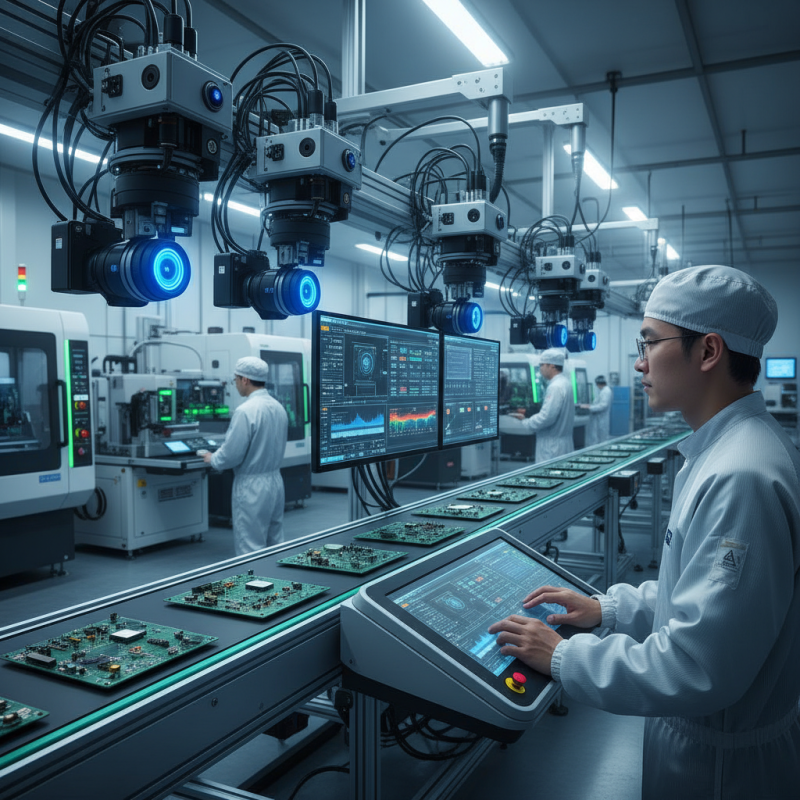
Understanding Machine Vision Inspection Technology
Machine vision inspection technology has become a pivotal tool in quality control across various industries. This technology utilizes cameras, sensors, and advanced algorithms to analyze images of products. According to a report by Markets and Markets, the machine vision market is expected to reach $18.3 billion by 2025, growing at a CAGR of 7.6%. This growth reflects an increasing reliance on automation to enhance product quality and operational efficiency.
With the ability to detect defects more reliably than human inspectors, machine vision systems can identify issues like surface flaws or misalignments. They provide real-time feedback, which allows manufacturers to correct errors instantly. For example, the accuracy of such systems can exceed 99%, but challenges remain. Environmental factors, such as lighting and surface textures, can affect performance. Not all systems can adapt seamlessly. The implementation of machine vision often leads to operational disruptions, as new technologies require time for staff training and system integration.
Investing in machine vision is not without its drawbacks. The initial setup costs can be substantial for smaller companies. Additionally, maintaining high standards requires regular calibration and updates. Relying solely on automated systems may overlook nuanced faults that a trained human eye could catch. Companies must balance automation with human oversight to achieve optimal quality control.
Key Components of Machine Vision Systems for Quality Control
Machine vision systems are essential for quality control in manufacturing. They use cameras and imaging software to detect defects. Key components include illumination, optics, and processing units. Proper lighting is crucial for visibility. It can reveal small flaws that would be missed otherwise. Changing light angles helps to enhance the detection process.
Optics capture images clearly. They should match the application requirements. For example, some tasks need macro lenses for detailed inspections. Meanwhile, others benefit from wide-angle lenses for broader views. The choice of optics impacts accuracy. Poor optics lead to misinterpretations, resulting in faulty products.
Processing units analyze the acquired images. They use algorithms to identify issues quickly. However, these algorithms are not foolproof. They require continuous training to adapt to new products. Regular updates and maintenance are essential for accuracy. Without proper calibration, the system may overlook defects. Thus, manufacturers face challenges in maintaining quality standards. Adjustments and reflections on the system's performance are necessary for success.
Steps to Implement Machine Vision Inspection in Manufacturing
Implementing machine vision inspection in manufacturing can elevate quality control significantly. The first step is to evaluate your specific needs. Understand what aspects of your product require inspection. This could include dimension accuracy, surface defects, or assembly verification. According to industry reports, 60% of manufacturing defects come from inadequate inspection processes. Tailoring your machine vision system to address these issues can greatly reduce errors.
Next, selecting the right technology is crucial. Different applications may require different systems, such as 2D imaging or 3D scanning. The clarity of your imaging system will impact defect detection. Investing in high-resolution cameras can improve performance. However, consider the additional costs associated with complex systems. Sometimes, simple setups can yield satisfactory results without overcomplicating the process.
Tips: Engage your team in the selection process. Their insights on practical needs will ensure the system fits well. Regularly review the system’s performance. Even the best technology can become outdated or misaligned with your production goals. Lastly, be prepared for a learning curve. Adjusting to machine vision takes time, and not every inspection will function flawlessly at first. Continuous monitoring and feedback can help refine the process and improve overall quality control.
Benefits of Using Machine Vision for Quality Assurance
Machine vision inspection has gained momentum in quality assurance across various industries. According to a recent report by Freedonia Group, the adoption of machine vision systems has increased by 12% annually. This technology enhances inspection speed and accuracy, reducing human error. In fact, companies implementing machine vision report an average quality improvement of 30%. This statistic is compelling, particularly for sectors like automotive and food packaging, where precision is critical.
Tips: Consider integrating machine vision with AI for better analysis. This combination can detect defects that traditional methods might miss. It's crucial to regularly update your system to cope with evolving production standards. A well-maintained machine vision system can save costs in the long run.
In addition, machine vision can reduce false rejects—a common problem in quality control. However, implementing such systems isn't without challenges. Some organizations struggle with initial costs or staff training. It's essential to weigh these factors against the potential quality gains. Addressing these hurdles can make a significant difference in overall productivity and reliability.
Challenges and Solutions in Machine Vision Inspection Processes
Machine vision inspection is a powerful tool for quality control in manufacturing. However, it faces several challenges. One major issue is lighting. Inconsistent lighting can distort image quality. This can lead to incorrect evaluations of products. For example, a critical flaw could be missed under poor lighting conditions. Operators need to continuously adjust lighting setups to ensure consistency.
Another challenge is the complexity of inspecting diverse products. Different shapes and sizes require adaptable systems. A vision system that works well for one product may fail for another. This can lead to downtime while adjustments are made. Over time, frequent recalibrations can frustrate operators. Saving time during these processes is essential, yet often overlooked.
Data management presents its own difficulties. Large volumes of data can overwhelm traditional systems. It is essential to implement effective data processing solutions. Without them, the potential benefits of machine vision can diminish. Inappropriate data handling can waste resources and erode confidence in results. Reflecting on these issues is crucial for optimizing machine vision inspection processes and improving overall quality control.
Machine Vision Inspection for Quality Control: Challenges and Solutions