
1941 West Fort St

Detroit, MI 48216

313-496-0550

Mon - Fri 8:45 a - 4 p ET

Porter Bottle Company

What Is a Hamper Gift Box and What Does It Include?

A Hamper Gift Box is more than a decorated container filled with attractive products. It is a curated collection designed to create a shared moment, a practical surprise, or a thoughtful seasonal gesture. Depending on the occasion, it may include artisan biscuits, coffee, tea, preserves, chocolate, fruit, wine, or non-alcoholic drinks. Some hampers also contain candles, soaps, stationery, or locally made specialties.

Gift-etiquette expert Lizzie Post offers a useful principle: “The best gifts show that you know the recipient.” That idea explains why successful hampers feel personal. A breakfast-themed box might hold roasted coffee, orange marmalade, granola, and a ceramic mug. A wellness hamper could feature herbal tea, bath salts, a soft eye mask, and unscented lotion. The arrangement matters too. Secure packaging, clear product labels, and fresh presentation influence the recipient’s experience.

Still, the term “Hamper Gift Box” is not perfectly standardized. Some sellers use it for a woven basket, while others mean a rigid cardboard box. Contents can vary widely in quality, size, and value. A beautiful ribbon cannot repair stale biscuits or poorly protected glass jars. That is an important detail.

This guide examines what a Hamper Gift Box includes, how its contents are selected, and which features indicate reliable quality. It also considers dietary preferences, presentation, shelf life, and delivery protection. These practical details help shoppers choose with confidence. A hamper should feel generous, not crowded. It should be useful, memorable, and honest about what it contains.
What Is a Hamper Gift Box and What Does It Include?

What Is a Hamper Gift Box?

A hamper gift box is a curated collection of useful or enjoyable items arranged as one thoughtful present. It may arrive in a woven basket, sturdy box, or reusable container. The contents usually follow a theme, such as breakfast, relaxation, seasonal treats, or home comfort. Common items include tea, coffee, biscuits, preserves, candles, socks, notebooks, and small self-care products. Fresh goods require careful packaging and clear storage guidance.

A well-made hamper feels personal because the items work together. A morning hamper might include ground coffee, a ceramic mug, fruit spread, and crisp biscuits. A relaxation set could contain herbal tea, a soft eye mask, bath salts, and a small towel. From practical experience, balance matters more than quantity. Too many unrelated products can make the box look generous but feel careless. Even attractive packaging cannot fix poor item choices or unclear allergen information.

Tips: Check the recipient’s tastes, dietary needs, and available storage space. Choose sealed products with visible expiry dates. Add one useful item, not only decorative pieces. Secure glass containers with padding to prevent movement. A handwritten note can improve the experience, although the message should remain simple. If the hamper includes fresh food, confirm delivery timing and temperature requirements. I sometimes overpack gift boxes myself; leaving space can make each item easier to notice.

What Items Are Commonly Included in a Hamper?

What Is a Hamper Gift Box and What Does It Include?

A hamper gift box is a curated collection of useful or enjoyable items arranged in one package. Its contents usually match a theme, occasion, or recipient’s preferences. Food hampers often include loose-leaf tea, ground coffee, biscuits, chocolate, preserves, crackers, dried fruit, and roasted nuts. Some also contain honey, pasta, sauces, or seasonal produce. A well-prepared hamper balances variety with practicality. Too many sweet items can make the gift feel repetitive.

Non-food hampers may include scented candles, hand cream, bath products, soft socks, stationery, or a small home accessory. Some boxes combine food and lifestyle products for a more personal touch. From experience, the strongest hampers include different textures and sizes. A glass jar beside a wrapped biscuit tin feels more thoughtful than identical packets. However, presentation should not replace quality. Check expiry dates, seals, storage instructions, and ingredient labels. Allergy information matters, especially when nuts, dairy, or gluten may be included. Handmade products can add character, but their origin and contents should remain clear.

Tips: Match the hamper to the recipient’s routine. Choose tea for a regular tea drinker, not simply a popular flavor. Include a handwritten note. Keep fragile items protected with paper padding. Avoid products with unclear labels or damaged packaging. A smaller, carefully selected hamper may feel more useful than a large box filled with items nobody will use. I sometimes overpack gift boxes, and that is worth reconsidering. More is not always better.

What Is a Hamper Gift Box and What Does It Include? - What Items Are Commonly Included in a Hamper?

Common Contents of a Hamper Gift Box
Item Category Typical Examples Typical Quantity Purpose in the Hamper Storage or Handling Notes
Tea and Coffee Tea bags, loose-leaf tea, ground coffee, or instant coffee 1–2 items Provides familiar beverages suitable for relaxing or entertaining Keep sealed in a cool, dry place away from strong odors
Biscuits and Crackers Sweet biscuits, wafer cookies, water crackers, or savory biscuits 1–3 packs Adds ready-to-eat snacks and complements beverages or spreads Check the best-before date; protect from heat and moisture
Chocolate and Confectionery Chocolate bars, truffles, fudge, candies, or caramels 1–3 items Provides a celebratory and indulgent element Store in a cool, dry place; avoid direct sunlight
Jams and Preserves Fruit jam, marmalade, chutney, honey, or fruit curd 1–2 jars Introduces complementary flavors for toast, cheese, or crackers Refrigerate after opening when the label requires it
Savory Snacks Nuts, roasted seeds, pretzels, popcorn, or vegetable crisps 1–3 packs Balances sweet items with salty or crunchy options Review allergen information, especially for nuts and seeds
Dried or Fresh Fruit Dried apricots, dates, raisins, pears, apples, or seasonal fruit 1–2 items Adds variety and a naturally sweet option Fresh fruit is perishable; dried fruit should remain sealed
Cheese and Savory Spreads Hard cheese, soft cheese, pâté, tapenade, or vegetable spread 1–2 items Creates a more substantial food pairing for crackers and preserves Many products require refrigeration; verify the package label
Beverage Extras Hot chocolate, fruit cordial, sparkling juice, or specialty soft drink 1 item Provides an alternative to tea or coffee and suits different preferences Store unopened products according to the product label
Personal Care Items Hand cream, bath salts, soap, body lotion, or scented candle 1–3 items Adds a self-care or relaxation theme to the gift Check ingredients and fragrance preferences before gifting
Presentation Materials Basket, gift box, shredded paper, tissue paper, ribbon, and greeting card 1 set Protects the contents and creates an attractive, ready-to-give presentation Use clean, dry packaging and keep food separate from non-food products

A hamper gift box is a curated collection of complementary products arranged in a basket, box, or other decorative container. The exact contents vary according to the occasion, recipient, dietary requirements, season, and selected theme.

How Are Hamper Gift Boxes Organized and Presented?

What Is a Hamper Gift Box and What Does It Include?

A hamper gift box is a curated collection of food, drinks, personal items, or seasonal treats. Its value depends on both contents and presentation. A well-organized hamper feels deliberate, not simply filled. Deloitte’s 2024 Holiday Retail Survey reported that consumers expected average seasonal spending of about $1,778. This makes perceived value especially important. Buyers often judge that value before opening the box.

How Are Hamper Gift Boxes Organized and Presented?

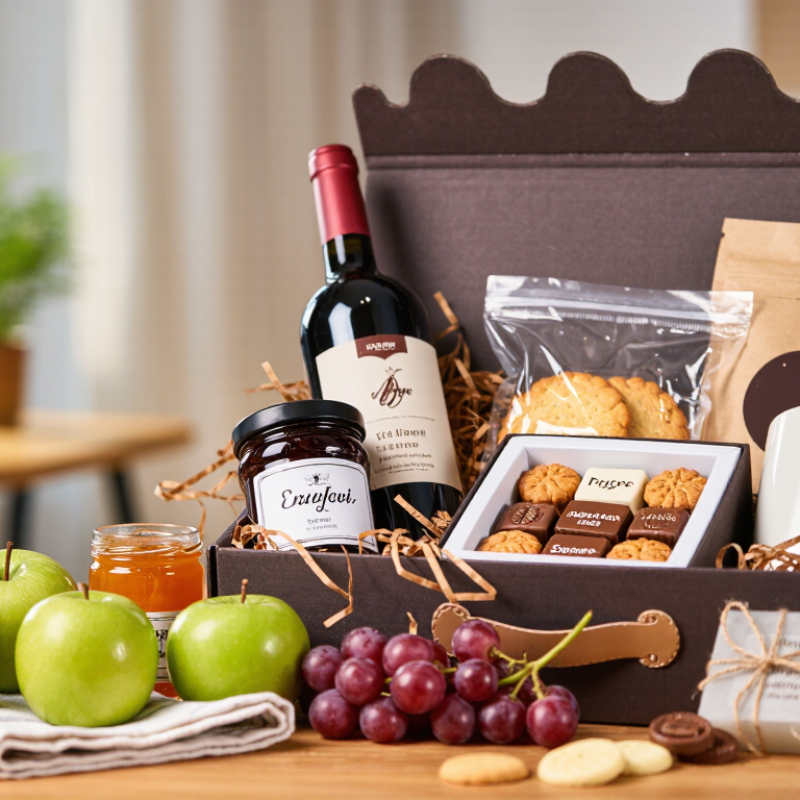
Professional packing usually follows a visual hierarchy. Larger items sit at the back, while smaller products fill the front. Fragile goods need tissue, dividers, or molded inserts. Heavy jars should remain low to prevent movement. A typical arrangement combines color, height, and texture. For example, a dark bottle can anchor the center, while bright fruit preserves create contrast around it. The lid should close without pressure. That detail is easy to overlook.

The packaging should also protect the unboxing experience. Smithers’ packaging industry research identifies convenience, sustainability, and product protection as continuing market priorities through 2028. Recyclable paper fill can replace excessive plastic, but it must still prevent impact damage. I have found that simple layouts often look more premium. Yet they can feel empty when spacing becomes excessive. That balance needs testing, not guesswork.

Tips: Place a small card near the opening. Keep labels facing forward. Check the box after transport. A perfect display at the packing table may shift during delivery. Photographing the finished hamper can reveal awkward gaps before dispatch.

What Is a Hamper Gift Box and What Does It Include?

A hamper gift box is a curated collection of food, drinks, treats, and small gifts arranged in a container. This illustrative 12-piece layout shows how items can be organized and presented by category.

Food and pantry items form the largest part of the hamper, while drinks, sweets, and presentation elements add variety and improve the unboxing experience. Heavier products are usually placed at the bottom, with delicate items and decorative elements positioned on top.

What Types of Hamper Gift Boxes Are Available?

What Is a Hamper Gift Box and What Does It Include?

What Types of Hamper Gift Boxes Are Available?

A hamper gift box combines several coordinated items in one presentation. It may include food, drinks, self-care products, or practical home goods. The best choice depends on the recipient, occasion, dietary needs, and delivery conditions. A beautifully arranged box can still disappoint if its contents feel random.

Gourmet hampers often contain biscuits, preserves, confectionery, roasted snacks, and non-alcoholic drinks. Tea and coffee hampers suit office gifts, while wellness hampers may include bath salts, herbal infusions, candles, and sleep accessories. Seasonal hampers use themed packaging and limited-time foods. Corporate hampers usually favour shelf-stable products, neutral designs, and easy distribution. According to the National Retail Federation’s 2024 Valentine’s Day report, planned consumer spending reached 25.8 billion dollars, showing how strongly occasion-based gifting influences purchases. Yet, not every celebration needs a large box.

Sustainable hampers are also gaining attention. Smithers’ packaging industry research identifies sustainability as a major purchasing and design priority through 2028. Reusable baskets, recyclable paper cushioning, and minimal plastic can reduce unnecessary waste. Subscription hampers offer recurring deliveries, but they require careful control of freshness and customer preferences. I have found that smaller, better-matched selections often feel more personal. This is not always obvious. Gift value comes from relevance, not simply quantity. Labels should clearly show allergens, ingredients, storage instructions, and delivery dates.

How Can You Choose or Customize a Hamper Gift Box?

A hamper gift box is a curated collection of treats, useful items, or small luxuries arranged in one package. It may include tea, biscuits, candles, skincare products, stationery, or seasonal foods. The best choices depend on the recipient’s habits, not only the box’s appearance.

Start by considering the occasion, budget, age, and daily preferences of the recipient. A tea lover may appreciate loose-leaf tea, a ceramic mug, honey, and a small infuser. For a new parent, practical snacks, gentle toiletries, and a soft towel may feel more thoughtful. Check dietary needs and allergies carefully. Avoid guessing when a simple question can prevent waste.

Customization should also reflect size and presentation. Choose a sturdy box, protective filler, and packaging that keeps fragile items secure. Combine different textures, such as a fabric pouch, glass jar, and handwritten card. Keep the arrangement balanced, with larger items at the back and smaller pieces in front. Keep it useful.

I once created a hamper that looked elegant but contained too many decorative items. It photographed well, yet the recipient had little use for them. That mistake changed my approach. I now select fewer products and check whether each one serves a clear purpose. Personal notes, neutral colors, and flexible gift choices can make the box feel more considerate. Still, customization is not always better; excessive personalization may create awkward assumptions.

Scroll to Top