10 Essential Tips for Choosing the Best Glass Bottles for Your Needs
When it comes to selecting the right container for your beverages or other products, glass bottles offer a distinctive combination of elegance and functionality. The choice of glass bottles can significantly impact your experience, whether you are looking for sustainable options, aesthetic appeal, or practical storage solutions. With an array of shapes, sizes, and designs available in the market, it is essential to be well-informed before making your selection.
In this guide, we will explore ten essential tips that can help you choose the best glass bottles suited to your specific needs. From considering the bottle’s capacity and design to understanding the benefits of using glass over plastic, each tip will provide valuable insights to ensure you make an informed decision. By focusing on aspects like durability, ease of cleaning, and versatility, you can find the perfect glass bottles that not only meet your requirements but also enhance your lifestyle. Make an informed choice to enjoy the benefits that glass bottles offer, paving the way for a more sustainable and stylish way to store and consume your beverages.
Understanding Different Types of Glass Bottles Available in the Market
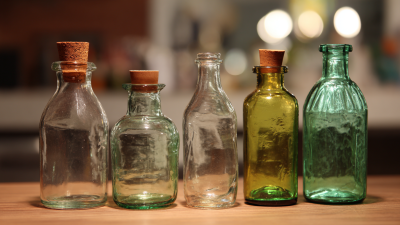
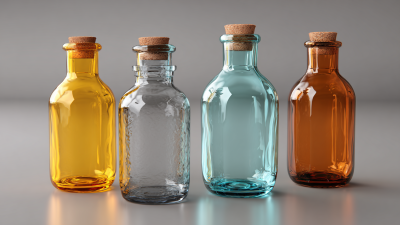
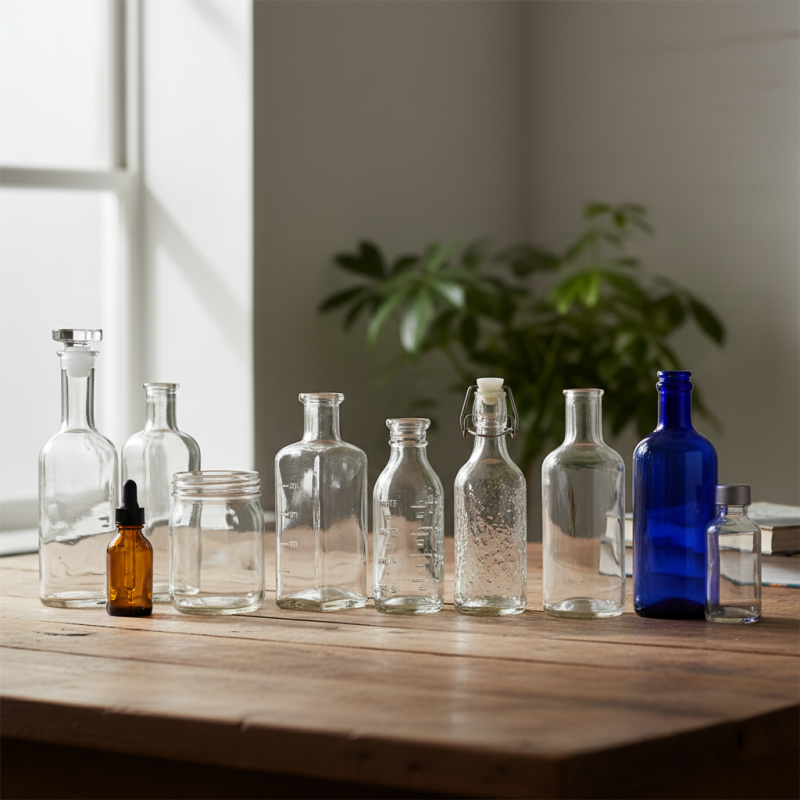
When selecting the appropriate glass bottle for your needs, it's crucial to understand the various types available in the market. Glass bottles come in an array of shapes, sizes, and designs, catering to different uses. For instance, narrow neck bottles are ideal for beverages and other liquids that require controlled pouring, while wider openings are better suited for items like sauces or homemade dressings. Furthermore, consider whether you need a bottle that can accommodate a cap or a cork since this can affect the preservation of your contents.
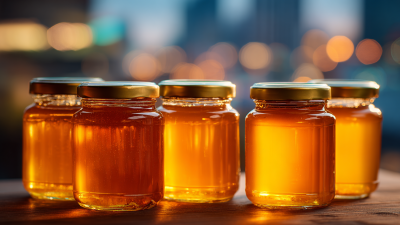
Another important aspect is the thickness of the glass. Thicker glass bottles tend to be more durable and better for storage, while thinner glass may be lighter and easier to carry. You should also take into account specialty glass bottles designed for specific functions, such as spray bottles for liquids or mason jars for food preservation. Understanding these types not only aids in making an informed choice but also ensures that the bottle you select will effectively meet your specific requirements, whether for personal, culinary, or professional use.
10 Essential Tips for Choosing the Best Glass Bottles for Your Needs
| Type of Glass Bottle |
Capacity (ml) |
Weight (g) |
Usage |
Recommendation |
| Standard Bottles |
500 |
300 |
Beverages |
Everyday Use |
| Sports Bottles |
650 |
350 |
Hydration |
Active Lifestyle |
| Storage Bottles |
1000 |
500 |
Oils/Sauces |
Kitchen Use |
| Cosmetic Bottles |
200 |
150 |
Lotions/Serums |
Beauty Products |
| Glass Jars |
500 |
400 |
Preserves |
Canning/Food Storage |
Evaluating the Purpose: How to Determine Your Needs for Glass Bottles
When evaluating the purpose of glass bottles, it's crucial to first identify the specific needs they will fulfill. A recent study conducted by the
Glass Packaging Institute revealed that over 70% of consumers prioritize sustainability in packaging choices, making glass an attractive option due to its recyclable nature and ability to preserve product integrity. This index highlights the significance of choosing glass bottles not just for their aesthetic appeal but also for their environmental impact, particularly as consumers become more eco-conscious.
Additionally, understanding the storage requirements of your contents is essential. For instance, beverages like juices and wines may require different glass thicknesses and styles to maintain freshness and flavor. A report from the
Beverage Marketing Corporation suggests that the glass bottle segment is gaining momentum in the beverage industry, accounting for approximately
25% of total beverage packaging as consumers increasingly opt for preservation and taste retention. By assessing the specific contents and their unique storage needs, you can select the right glass bottle that optimally protects your products while aligning with market trends towards health and quality.
Factors to Consider: Size, Shape, and Design of Glass Bottles
When selecting glass bottles, the size is one of the primary factors to consider. The capacity of the bottle should align with your intended use, whether it’s for storing beverages, oils, or even personal care products. Smaller bottles may be ideal for travel or sampling, while larger bottles are better suited for home use or bulk storage. Additionally, think about how much space you have available for storage, as larger bottles will require more room both in cupboards and on countertops.
The shape of the glass bottle also plays a significant role in its functionality and aesthetic appeal. Consider a design that complements your contents; for instance, a wide-mouth bottle can facilitate easy pouring and cleaning, making it suitable for thicker liquids. On the other hand, narrower designs can be more visually appealing for presentation purposes. Lastly, the design aspect involves both the visual and tactile elements. Choosing bottles with ergonomic shapes will allow for comfortable handling while enhancing the overall experience of use.
Assessing Material Quality: Importance of Lead-Free and BPA-Free Glass
When selecting glass bottles for various uses, assessing the material quality is crucial. One of the primary concerns should be ensuring that the glass is both lead-free and BPA-free. Lead, often found in cheaper glass products, can pose serious health risks, particularly if these bottles are used for food or drink. Long-term exposure to lead can lead to neurological issues and other health problems, making it essential to choose bottles that are certified free of this harmful substance.
BPA, or bisphenol A, is a chemical commonly found in plastics, but it can also leach into food or beverages from certain glass coatings. BPA exposure has been linked to various health issues, including hormonal disruptions and increased risk of chronic diseases. By opting for BPA-free glass bottles, consumers can safeguard their health and ensure that they are using safe containers for their daily hydration or storage needs. Prioritizing these qualities not only ensures personal safety but also promotes a more sustainable lifestyle, aligning with a growing preference for eco-friendly products.
Price vs. Quality: Finding the Right Balance for Your Budget
When selecting glass bottles, the balance between price and quality is crucial for making a wise investment. Budget constraints often lead consumers to prioritize lower prices, yet this can sometimes sacrifice the durability and functionality of the bottles. For those who frequently use glass bottles, investing in higher-quality options can lead to long-term savings, as these bottles are less likely to chip, crack, or leak. Therefore, it is essential to assess how often the bottles will be used and the environments in which they will be placed, as these factors heavily influence the need for quality versus cost.
Another important consideration is the intended use of the bottles. If the goal is to store beverages that require refrigeration or to transport liquids on the go, high-quality bottles designed to withstand temperature changes and physical stress become essential. While it might be tempting to opt for cheaper alternatives, these may lead to additional costs in replacements or even unsafe situations if a bottle fails. By carefully evaluating both the price and quality of glass bottles, consumers can find options that fit their budgets while still meeting their practical needs, ultimately leading to a more satisfying purchase.