Why Choose the Right Camping Sleeping Bag for Your Adventures?
When planning outdoor adventures, choosing the right camping sleeping bag is crucial. A good sleeping bag provides warmth and comfort. It can be the difference between a restful night and a miserable experience. Many options exist, but not all bags suit every need. Factors like weight, insulation type, and temperature rating matter.
Consider the environment you will be in. For cold mountains or warm summer nights, the right sleeping bag differs. Some bags are bulky, making them hard to carry. Others are lightweight but may lack warmth. It's essential to evaluate your priorities and preferences. Are you backpacking or car camping? This choice impacts your sleeping bag selection significantly.
You may find a sleeping bag that looks perfect at first glance. However, it might not meet your actual needs. Reflecting on specific features and intended use is necessary. A camping sleeping bag is an investment in your comfort. Don't rush the decision; take the time to reflect on what you truly need.
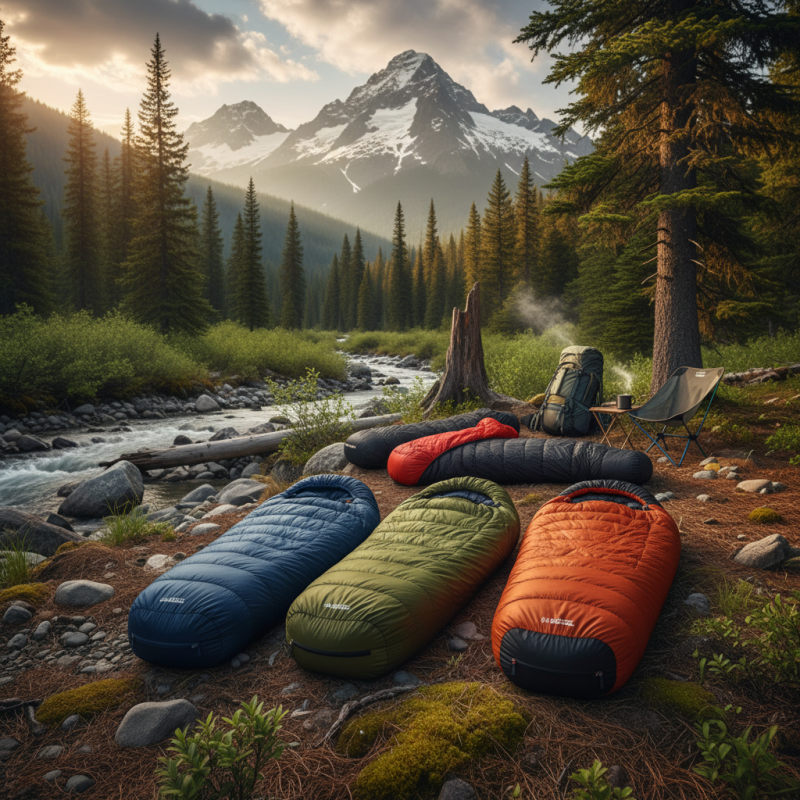
Understanding the Different Types of Camping Sleeping Bags
Choosing the right sleeping bag can make or break your camping experience. There are several types available, each designed for specific conditions. Understanding these categories is key.
Mummy bags are best for cold weather. They hug your body tightly. This minimizes heat loss. However, they can feel restrictive for some. If you prefer more room, consider rectangular bags. They offer more space but are less efficient in cold conditions.
Tips: Always check the temperature rating. This helps in selecting the appropriate bag for your adventure. Consider insulation types as well. Down insulation is lightweight and warm but can be pricey. Synthetic materials are more affordable but may weigh more.
For those who camp in various climates, a three-season bag might be your best bet. It can handle a range of temperatures. Still, be aware that humidity can affect insulation effectiveness. Make sure you store it properly when not in use. A stuff sack may compress the bag too much, so opt for storage bags that allow it to loft fully.
Why Choose the Right Camping Sleeping Bag for Your Adventures?
| Type of Sleeping Bag | Temperature Rating | Weight | Shape | Best For |
| Rectangular | 35°F and above | 3-5 lbs | Rectangular | Car camping, family trips |
| Mummy | 20°F and below | 2-4 lbs | Mummy | Backpacking, cold weather |
| Semirectangular | 30°F and above | 3-5 lbs | Semirectangular | Versatile camping |
| Double Sleeping Bag | 35°F and above | 4-8 lbs | Double | Couples, family camping |
| Ultra-Lightweight | 30°F and above | 1-3 lbs | Mummy | Extended backpack trips |
Evaluating Temperature Ratings for Maximum Comfort
When selecting a camping sleeping bag, temperature ratings are crucial. The wrong choice can ruin your outdoor experience. A report from the Outdoor Industry Association highlights that 70% of campers prioritize comfort as their top concern. Temperature ratings indicate the lowest temperature at which a sleeping bag keeps you warm. However, these ratings can be misleading.
For instance, a sleeping bag rated for 20°F may feel different based on personal factors. Individual preferences, metabolic rates, and clothing layers all play a significant role. Research shows that nearly 60% of campers do not consider these variables, leading to discomfort. Moreover, humidity and wind can further decrease warmth. An investment in understanding these elements can enhance your comfort on chilly nights.
Many adventurers overlook the importance of fit, too. A bag that is too large can allow cold air to circulate, reducing warmth. Conversely, one that is too snug can restrict movement and cause discomfort. Keep in mind that some bags are designed for women or those who sleep cold, while others cater to broader body types. Paying attention to details can elevate your camping experience significantly.
Assessing Materials and Insulation Types for Durability
Choosing the right camping sleeping bag is crucial for your comfort outdoors. The materials and insulation types play a significant role in its durability. Down insulation is lightweight and compressible. It provides great warmth in cold weather. However, it can lose insulation properties when wet. Synthetic insulation, on the other hand, is water-resistant and maintains warmth even when damp. It's often bulkier but may be more suitable for wetter climates.
The outer material also matters. Nylon and polyester are popular choices. Both are durable and provide some weather resistance. Yet, they can wear out over time, especially with rugged use. Camping enthusiasts often face dilemmas over weight versus warmth. Heavy-duty bags may last longer but can be cumbersome to carry.
Don't forget about the comfort of the interior lining. Soft fabrics enhance a cozy night’s sleep. However, these can also be more prone to wear and tear. Frequent campers might find themselves reflecting on their choices. A sleeping bag should fit your adventure style and environment. Finding the right balance is key to a satisfying outdoor experience.
Considering Size and Weight for Easy Transportation
When preparing for your next camping adventure, the size and weight of your sleeping bag matter. A lightweight sleeping bag can significantly enhance your mobility. According to industry reports, a sleeping bag that weighs under 3 pounds is often ideal for backpacking trips. Many campers overlook this detail but end up struggling with heavy gear.
Optimization of size is equally crucial. A compact bag can fit into smaller backpacks, freeing up space for other essentials. Data shows that bags with a packed size of less than 12 inches are preferred by 70% of seasoned backpackers. However, finding the perfect balance can be difficult. While smaller and lighter bags are tempting, they may compromise warmth and comfort. Evaluating your priorities is key here.
Some also grapple with temperature ratings. Understanding the climate can guide you to an ideal bag. Many bags list their comfort ratings. However, this often leads to confusion among new campers. A bag rated for 20°F might feel cold to some. This mismatch shows the importance of personal experience. Realizing what works for you can lead to better choices in the future.
Identifying Key Features for Enhanced Camping Experience
Choosing the right camping sleeping bag is essential for a good night’s sleep. The warmth it provides can make or break your camping experience. Look for insulation material that retains heat efficiently. Down feathers and synthetic fills offer different benefits. Down is lightweight and compressible, while synthetics might be bulkier but are often moisture-resistant.
Size matters when selecting a sleeping bag. A snug fit can help conserve body heat. Consider bags that are tapered or mummy-shaped for better thermal efficiency. If you camp in colder conditions, check the temperature rating. Know your comfort level and readjust expectations if needed. A poorly chosen sleeping bag can lead to restless nights.
Evaluate the bag's weight and packability if you're on the move. Heavy bags can be challenging during long hikes. Try testing a few bags at the store. Pay attention to the zipper and hood design. Sometimes small features make huge differences in comfort. Don’t overlook personal preferences. Everyone has different sleeping styles. A bag that suited a friend may not fit your needs. Adjust your choices based on these reflections.