Why Choose Honey Jars for Storing Your Natural Sweetener?
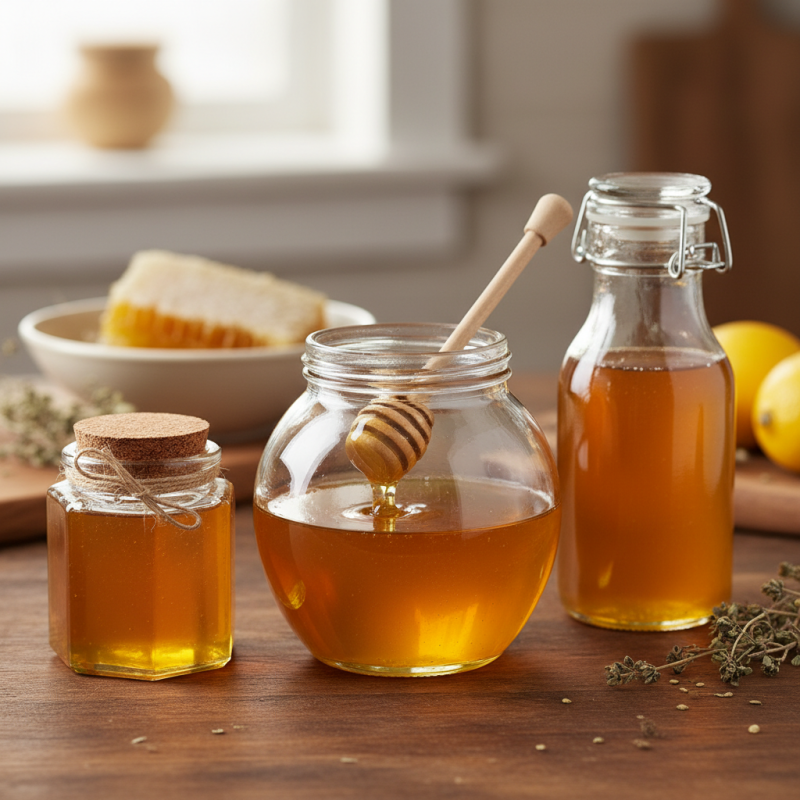
Honey is a natural sweetener cherished by many. Storing it properly is crucial for maintaining its quality. Honey jars serve as ideal containers for this golden delight. They protect honey from moisture and air, preserving its flavor and nutrients.
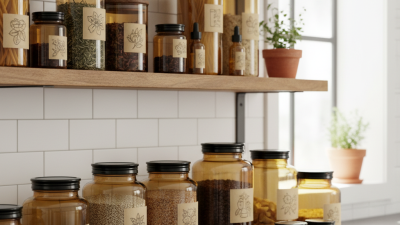
These jars come in various shapes and sizes, allowing you to choose what suits your kitchen best. A well-sealed honey jar can last for years, retaining the sweet essence of the honey. The aesthetics of honey jars can enhance your kitchen decor too, making them not just functional, but also visually pleasing.
However, it’s important to select the right jar. Not all materials are suitable. Glass is preferred, but plastic can work if it's food-safe. Always check for leaks; a compromised seal can spoil your honey. Using honey jars allows you to enjoy the sweet benefits of honey longer and more efficiently.
Benefits of Using Honey Jars for Storing Natural Sweeteners
When it comes to storing natural sweeteners, honey jars offer unique advantages. These jars come in various sizes and shapes. Their airtight seals help preserve the honey's natural flavor and aroma. You can easily see the golden hue inside, inviting you to use it more often. A well-designed jar makes pouring simple and mess-free. This makes them ideal for kitchens of all styles.
Using honey jars can also encourage mindfulness in your sweetener choices. The act of scooping out honey becomes a moment of appreciation. However, not all jars are created equal. Some may not fit in standard kitchen cabinets. Others could be too decorative, making them less practical. You may find that frequent washing or accidental spills occur. These are challenges worth considering when choosing honey jars.
Types of Honey Jars: Materials and Designs
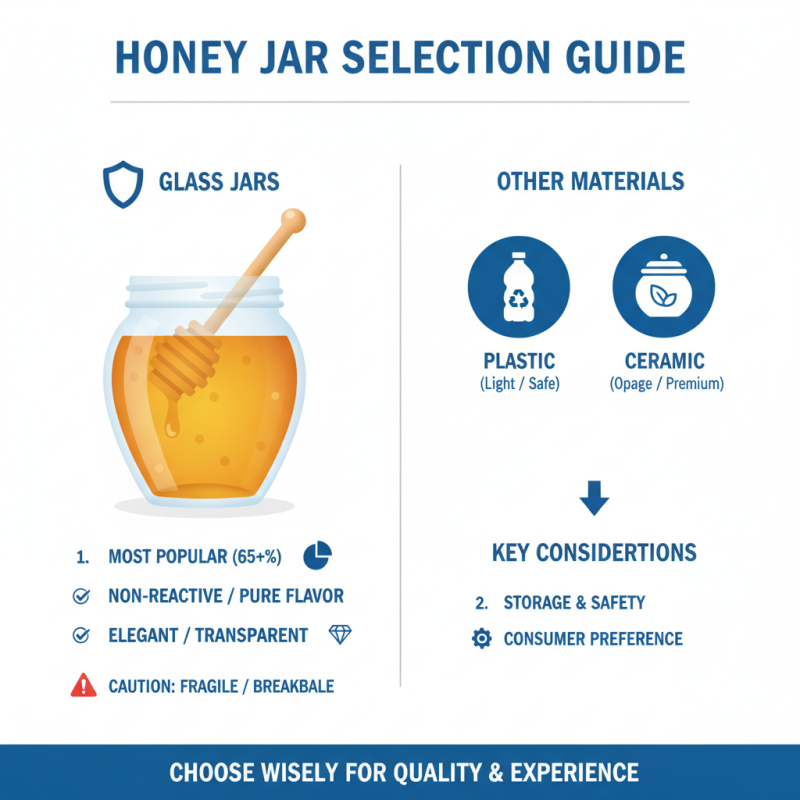
When it comes to selecting honey jars, the material and design play crucial roles. Glass jars are the most popular choice. They are non-reactive and do not alter the honey's flavor. According to industry reports, over 65% of consumers prefer glass for its purity. However, glass jars are fragile and can break easily. It’s important to consider storage and safety during use.
Plastic jars are another option. They are lightweight and durable, making them ideal for transport. Yet, some consumers worry about chemicals leaching from plastic. A study from the Journal of Food Safety suggests that not all plastics are safe for long-term storage. This raises questions about quality and contamination risks.
Ceramic jars offer a unique aesthetic appeal, often featuring beautiful designs. They keep honey fresh and are vapor-resistant. However, their weight can be a downside for some. In fact, reports indicate ceramic jars account for only 15% of the market. Each material has its own strengths and weaknesses. Choosing a jar involves weighing aesthetics against practicality. Consider how often you use honey and where you'll store it.
How Honey Jars Preserve Flavor and Freshness
When it comes to storing natural sweeteners, honey jars are an excellent choice. The design of these jars plays a crucial role in preserving the rich flavor and freshness of honey. Their airtight seal helps prevent air exposure, which can lead to crystallization. This simple feature allows honey to maintain its unique taste for longer periods.
Moreover, the material used in honey jars often interacts favorably with the honey itself. Glass, for instance, is non-reactive and does not interfere with the honey's composition. This is key to avoiding the alteration of flavors. If you use plastic, it can impart unwanted tastes or odors over time.
However, not all jars are created equal. If the lid is not fully sealed, moisture can enter. Honey loves to absorb water, which may lead to fermentation. While well-designed jars are helpful, the responsibility lies with the user. Ensure that your honey jars are properly closed after every use. This prevents potential spoilage and keeps the honey as delightful as the day it was harvested.
Tips for Choosing the Right Honey Jar for Your Needs
When it comes to storing honey, choosing the right jar is essential. Honey jars come in various shapes and sizes. Selecting the perfect one often depends on personal preference and how you use the honey.
Tips for choosing the right honey jar start with considering the material. Glass jars are popular because they do not alter the taste of honey. Plastic containers can cause chemicals to leach over time. Additionally, think about the size. A smaller jar might suit those who use honey occasionally. Larger jars are better for frequent use.
The lid type is also important. A tight seal keeps honey fresh and prevents crystallization. Look for jars with flip-top lids or honey dippers for easier dispensing. Finally, consider the design. A jar that appeals to you can enhance your kitchen decor. Don’t rush this choice. Reflect on what you value the most in a honey jar.
Maintaining and Cleaning Your Honey Jars for Longevity
Cleaning and maintaining your honey jars is essential for their longevity.
Over time, honey can crystallize and cling to the sides of the jar. This can make it difficult to scoop out the last bits.
Regularly check your jars for any residue or residue build-up.
A sticky jar is not just an annoyance;
it can attract unwanted insects too.
To clean your honey jars effectively, rinse them with warm water after each use.
Avoid harsh chemicals. They can leave harmful residues.
You can use a soft cloth or sponge for deeper cleaning.
Remember, jars should be completely dry before refilling.
This prevents moisture, which can spoil your honey.
Storing honey jars in a cool, dark place is also crucial.
Heat can alter the taste and quality.
Don’t place them near the stove or sunny windows.
If your jar has not been used in a while, inspect for any unusual odors or changes in texture.
It’s a simple check, yet many neglect it.
Regular care ensures your honey remains delicious for longer.