What Are Amber Bottles and Their Benefits for Storage?
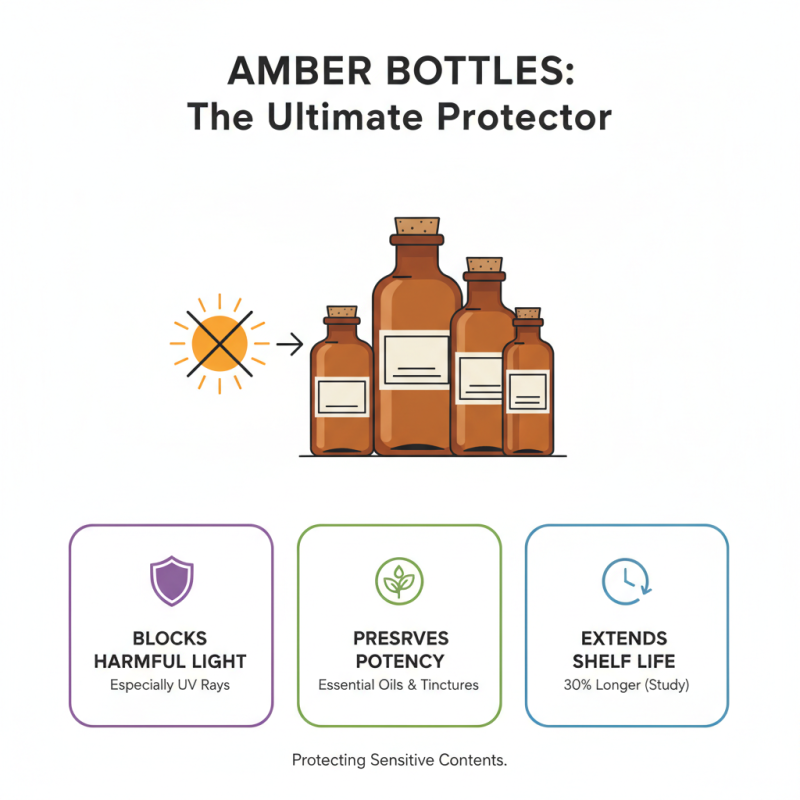
Amber bottles are more than just attractive containers. They serve a crucial purpose in storage, especially for sensitive products. These bottles are made from a special glass that blocks harmful UV rays. This helps preserve the quality and potency of various substances, from essential oils to vitamins.
Using amber bottles offers practical benefits. The dark color protects contents from light exposure. This can extend shelf life significantly. Many people overlook the importance of light in product degradation. It's easy to assume all containers provide equal protection. Yet, the choice of bottle can have a lasting impact.
Additionally, the aesthetic appeal of amber bottles should not be dismissed. Their rich, warm hue can elevate any shelf or counter space. However, not all products may require amber bottles. Some may find them unnecessary for everyday items. This raises questions about storage efficiency. In the end, understanding the role of amber bottles could lead to smarter choices.
What Are Amber Bottles?
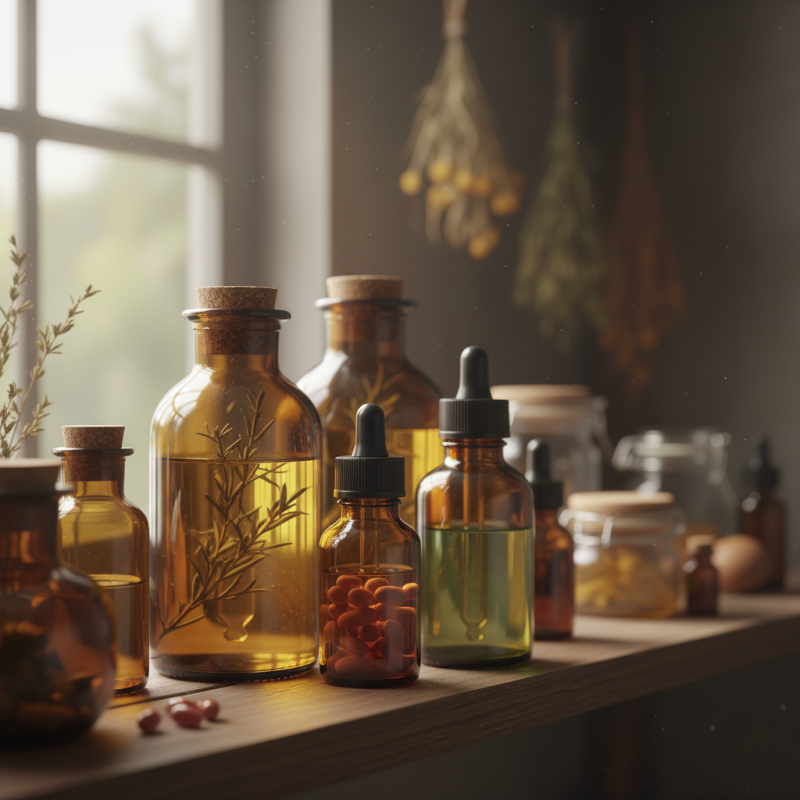
Amber bottles are unique storage solutions commonly used for various liquids. Their distinct rich color is not just for aesthetic appeal. This hue plays a crucial role in protecting contents from harmful UV radiation. Many natural products, such as essential oils and herbal extracts, can degrade when exposed to sunlight. Amber bottles help prolong the shelf life of these substances.
These bottles come in various sizes and shapes, making them versatile for different needs. They are often used in laboratories and by herbalists. The dark glass not only shields contents but also helps minimize oxidation. It can be surprising how often we overlook this, assuming any container will do. A simple choice can impact quality significantly.
The sustainability aspect is another benefit. Glass is recyclable and reduces plastic waste. However, not all glass is created equal. Some may not provide the same level of protection as amber glass. This brings into question the importance of selecting the right storage solution for sensitive materials. An informed choice can make a difference in both quality and sustainability.
The History and Development of Amber Bottles
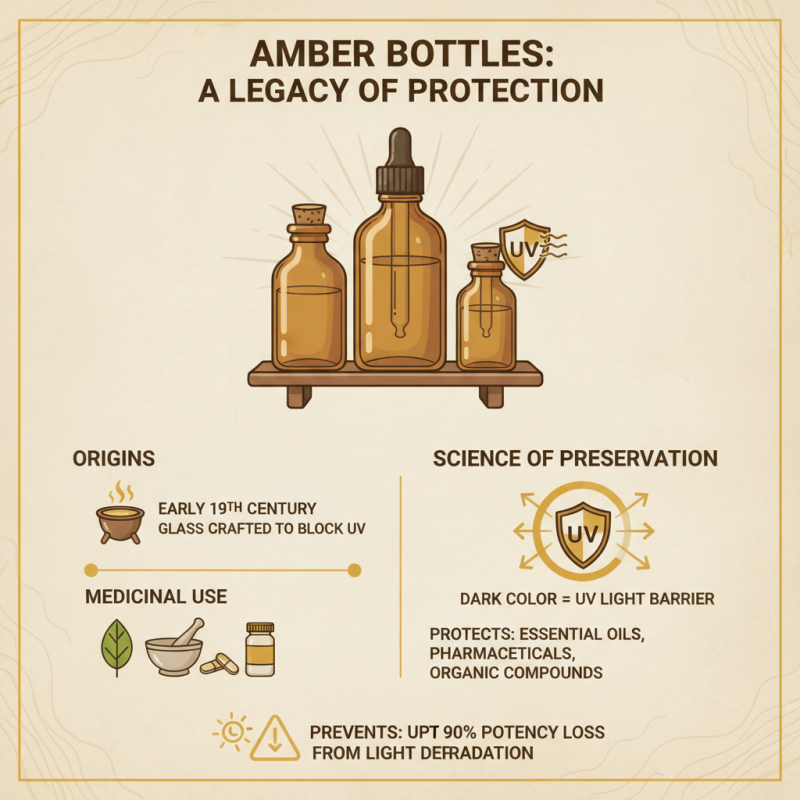
Amber bottles have a rich history rooted in the need to preserve sensitive materials. Their distinctive dark color originated in the early 19th century. Initially crafted from glass, these bottles emerged to combat UV light’s detrimental effects. By shielding contents, amber bottles became essential for medicinal purposes, particularly in preserving essential oils and pharmaceuticals. Reports indicate that light can degrade many organic compounds, leading to a potency loss of up to 90% in certain products.
Over time, amber bottles evolved in form and function. They gained popularity in laboratories and apothecaries worldwide, where they served not just as storage, but as a statement of quality. The global market for amber glass is projected to reach $6 billion by 2025. This demonstrates a clear trend towards sustainable packaging solutions. Consumers increasingly prefer materials that protect their health and environment.
Tips: Choose smaller amber bottles for essential oils to minimize exposure to air and light. Also, inspect your bottles for any scratches or damage that could compromise their protective qualities. Remember, aesthetics matter, but so does functionality. Rethink how your storage choices align with your preservation goals. Amber bottles combine tradition with modern needs, but they are not the only option. Explore and reflect on what works best for you.
Benefits of Using Amber Bottles for Storage
Amber bottles have become increasingly popular for storage in various industries. Their distinct color provides an effective barrier against harmful ultraviolet (UV) light. A study by the Journal of Photochemistry reports that exposure to light can degrade sensitive compounds. For many essential oils and medications, this degradation could reduce efficacy. In fact, amber glass can block up to 97% of UV rays, making it key for preserving product integrity.
Using amber bottles can also enhance shelf life. A recent analysis by the National Center for Biotechnology Information (NCBI) indicated that products stored in opaque containers lasted significantly longer than those in clear bottles. Additionally, the airtight seal of many amber bottles reduces contamination risks. However, it's vital to constantly assess if the chosen container truly meets specific needs, especially with varying storage conditions.
In the cosmetics and pharmaceutical sectors, maintaining quality is crucial. Amber bottles are particularly beneficial for storing light-sensitive formulations. However, not every product is suited for these bottles. Assessing compatibility is necessary; some substances might react with glass or require different materials. This complexity highlights the importance of thorough research before selecting storage solutions.
What Are Amber Bottles and Their Benefits for Storage? - Benefits of Using Amber Bottles for Storage
| Feature |
Description |
Benefits |
| UV Protection |
Amber glass filters out harmful UV rays. |
Preserves the integrity of light-sensitive products. |
| Chemical Resistance |
Amber bottles are resistant to various chemicals. |
Reduces the risk of contamination or reactions with contents. |
| Durability |
Made from sturdy glass material. |
Offers long-lasting storage solutions. |
| Aesthetic Appeal |
Rich amber color is visually pleasing. |
Enhances presentation of products. |
| Recyclability |
Glass is fully recyclable. |
Environmentally friendly storage option. |
How Amber Bottles Protect Contents from Light
Amber bottles serve a vital purpose in preserving sensitive contents. They protect items from harmful light exposure. Light, especially UV rays, can degrade many products. For example, essential oils and herbal tinctures can lose potency when exposed to light. A study showed that products stored in amber containers lasted 30% longer than those in clear bottles.
The dark glass of amber bottles blocks approximately 99% of UV light. This feature is crucial for any product prone to photodegradation. Some findings suggest that UV light can lead to significant degradation in just a few hours. Besides, products like vitamins and certain medications often require protection from light for longer shelf life.
Using amber bottles can enhance product stability. This may seem simple, yet many overlook it. The difference in product quality can be substantial. However, consumers still face challenges. Not all amber packaging is made equally. Some may use inferior materials that allow light to seep through. The key is to ensure you're selecting high-quality amber glass to maximize these protective benefits.
Best Practices for Storing Products in Amber Bottles
Storing products in amber bottles comes with numerous advantages. These dark containers effectively block harmful ultraviolet (UV) light. UV rays can degrade certain compounds, especially in oils and herbal solutions. As a result, using amber bottles can prolong shelf life and retain potency.
When it comes to best practices, ensure the bottles are clean and dry before filling. Even a tiny bit of moisture can spoil sensitive ingredients. Choose the right size for your products. Larger bottles may allow air exposure, which can lead to oxidation. It’s important to seal bottles tightly to minimize air contact.
Labeling is also crucial. Use a permanent marker or label maker that withstands time and moisture. Include details like the contents and date of filling. Occasionally check your products for any signs of degradation. Sometimes, it’s hard to notice small changes that signal a need for better storage conditions. These small steps can enhance the overall effectiveness and safety of the product inside the amber bottles.